
What to Avoid When Taking Low-Dose Naltrexone: Common Mistakes and How to Prevent Them
Low dose naltrexone (LDN) has become increasingly recognized for its potential to help manage chronic pain, autoimmune conditions, inflammation, and mood disorders. However, taking LDN safely means knowing what to avoid when taking low dose naltrexone and learning how to use it correctly. Here, we cover key mistakes, drug interactions, and lifestyle factors that can affect how low dose naltrexone works.
What Is Low-Dose Naltrexone, and How Does It Work?
Naltrexone is a medication originally developed to treat opioid and alcohol dependence at standard doses of around 50mg. In much smaller amounts—typically between 1.5mg and 4.5mg—it produces different effects.
Low-dose naltrexone works by briefly blocking opioid receptors, prompting the body to release more endorphins and naturally support immune regulation.
Because of these mechanisms, it’s important to understand what to avoid when taking low dose naltrexone, including which substances and habits could interfere with its function or cause unwanted reactions.
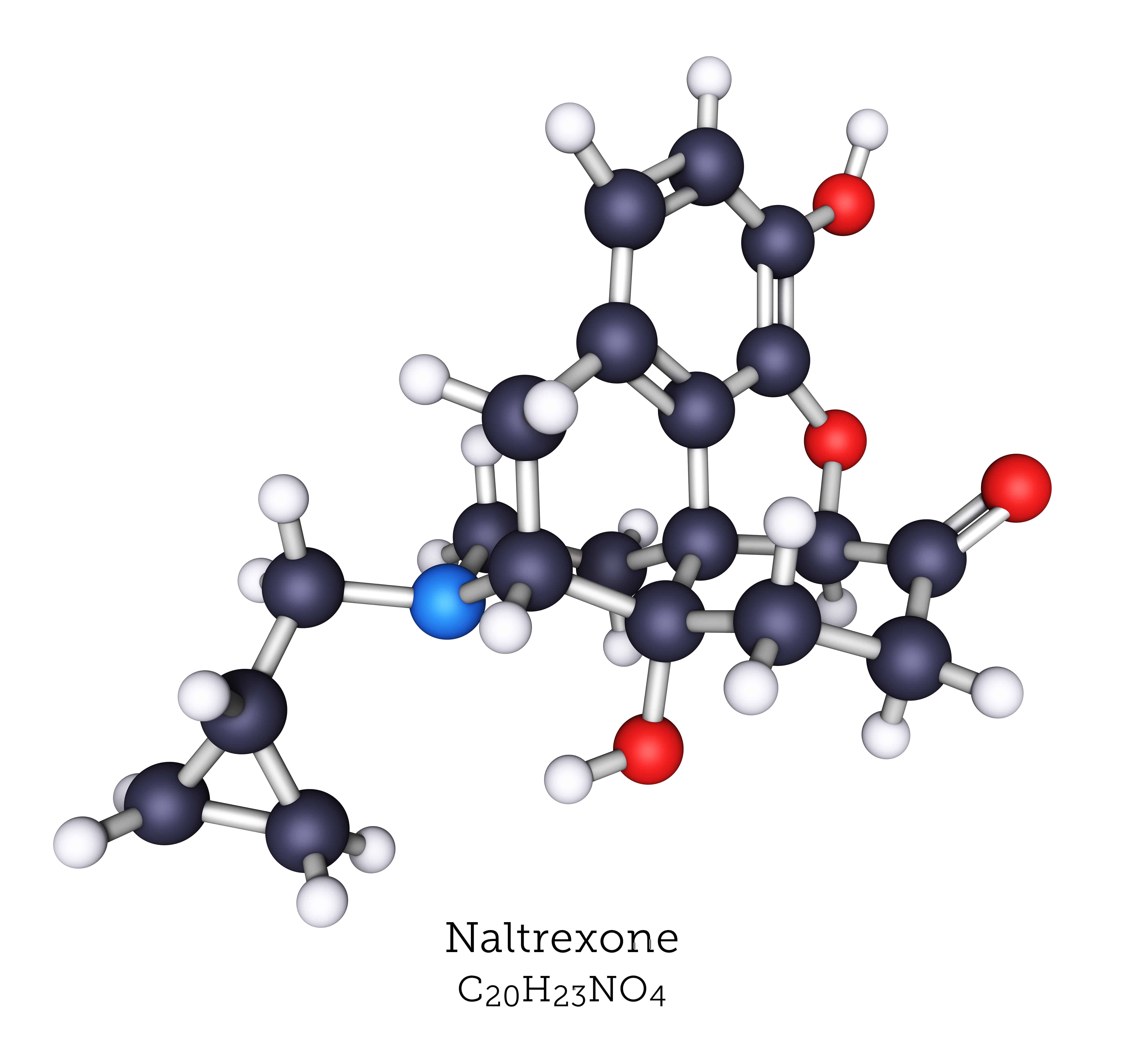
Avoid Alcohol and Opioids While Taking Low-Dose Naltrexone
Wondering, “What should I avoid while taking naltrexone?” The most important substances to avoid are alcohol and opioid-based medications. Naltrexone blocks opioid receptors, so combining it with opioids such as oxycodone, morphine, codeine, or hydrocodone can lead to sudden withdrawal symptoms or make pain relief ineffective. Alcohol can also increase liver strain and reduce the overall safety of LDN treatment.
If you’re prescribed pain medication, consult your doctor for non-opioid alternatives such as acetaminophen or certain NSAIDs. Never combine LDN with opioids or alcohol without medical supervision.
How Long Should You Be Opioid-Free Before Starting Low-Dose Naltrexone?
Starting low-dose naltrexone too soon after taking an opioid can trigger sudden withdrawal symptoms. Standard naltrexone guidance generally recommends being opioid-free for at least 7 to 10 days after short-acting opioids and 10 to 14 days after long-acting opioids, although the appropriate waiting period can vary.
Tell your healthcare provider about any recent prescription opioids, illicit opioids, cough medicines, or medications such as methadone and buprenorphine. When considering what to avoid when taking low dose naltrexone, do not begin LDN or determine the waiting period on your own. Your provider may review your medication history or perform testing to confirm that it is safe to start.
Avoid Taking Too High a Dose of Low-Dose Naltrexone
Starting at a dose that’s too high can lead to uncomfortable side effects such as insomnia, anxiety, or vivid dreams. Low-dose naltrexone should be started gradually—often at 1.5mg—and increased slowly under medical guidance. Everyone metabolizes medication differently, so careful titration helps your body adjust and reduces the risk of adverse effects.
Avoid Incorrect Timing When Taking Low-Dose Naltrexone
The time of day when you take LDN can influence how it works. Most people benefit from taking it at night since that aligns with the body’s natural endorphin cycle. However, if nighttime dosing causes insomnia or vivid dreams, switching to a morning schedule may help. The key is consistency—take your dose at the same time each day for the best results.
Avoid Medication and Supplement Interactions with Low-Dose Naltrexone

Certain medications and supplements can interfere with LDN’s effectiveness or cause side effects.
What to avoid when taking naltrexone:
- Opioid-based pain medications or cough syrups
- Immunosuppressive drugs
- Herbal supplements that affect the liver (such as kava or valerian)
Always provide your healthcare provider with a full list of your prescriptions, over-the-counter medications, and supplements before starting LDN to prevent harmful interactions.
Don’t Ignore Side Effects of Low-Dose Naltrexone
While most people tolerate LDN well, mild side effects like fatigue, sleep disturbances, diarrhea, nausea, headaches, or vivid dreams can occur early on. These often fade as your body adjusts. However, persistent or severe reactions may signal the need for a dosage change or further evaluation. Never ignore symptoms—your doctor can help you fine-tune the treatment plan safely.
Avoid Stopping Low-Dose Naltrexone Suddenly
Even though LDN isn’t addictive, stopping it abruptly can cause symptoms or inflammation to return quickly. If you wish to discontinue treatment, do so gradually and under medical supervision. A slow taper allows your body to adjust and helps preserve progress made during treatment.
What to Do Before Surgery or Dental Work While Taking Low-Dose Naltrexone
Tell your surgeon, dentist, anesthesiologist, and other healthcare providers that you take low-dose naltrexone before any procedure. Because naltrexone blocks opioid receptors, opioid medications used during or after a procedure may provide less effective pain relief.
Your LDN prescriber and procedure team can tell you what to avoid when taking low dose naltrexone pre-surgery, and create a safe pain-management plan and determine whether your dosing schedule needs to change. Non-opioid medications, local anesthetics, or other pain-relief methods may be considered when appropriate. Never stop LDN or adjust your dose before a procedure without receiving individualized medical instructions.
Consult a Medical Professional Before Starting Low-Dose Naltrexone
Low-dose naltrexone interacts with the body’s immune and endorphin systems, so professional guidance is essential. The correct dosage and schedule depend on your medical history, existing medications, and treatment goals. Always discuss LDN use with a qualified healthcare provider to ensure safety and effectiveness.
Naltrexone Support at Monterey Bay Recovery
At Monterey Bay Recovery, we provide compassionate, evidence-based care to help clients navigate every stage of recovery. If you’re considering low-dose naltrexone as part of your treatment plan, our clinical team can help you determine if it’s the right option for your unique needs.
Choosing an alcohol rehab program or a drug rehab program is a significant decision, and we want you to feel confident and supported. Our team is here to answer any questions you might have.
Contact Monterey Bay Recovery today to learn more about our personalized treatment programs and holistic recovery approach.
Contact Us
Discover a transformative recovery experience, blending holistic and traditional modalities with a beautiful natural environment, and setting a foundation for lifelong healing.
"*" indicates required fields
FAQs About What to Avoid When Taking Low Dose Naltrexone
Can I take ibuprofen or acetaminophen with low-dose naltrexone?
Ibuprofen and acetaminophen are non-opioid pain relievers and can often be taken with low-dose naltrexone. However, acetaminophen may require additional caution for people with liver problems or those taking other medications that affect the liver. Ask your healthcare provider which option and dosage are safest for you.
Can you drink coffee while taking low-dose naltrexone?
Low dose naltrexone and coffee can be used together for most people because there is no known direct interaction between caffeine and LDN. However, coffee may increase jitteriness, anxiety, or difficulty sleeping in some individuals, especially if low-dose naltrexone already affects sleep quality. If you notice these symptoms, consider reducing your caffeine intake or avoiding coffee later in the day, and talk with your healthcare provider about the best dosing schedule for your needs.
Can I take antibiotics with low-dose naltrexone?
Many antibiotics can be used while taking low-dose naltrexone, but the safety of the combination depends on the specific antibiotic and your overall health. However, when understanding what to avoid when taking low dose naltrexone, be aware that some medications may affect the liver or cause side effects that overlap with LDN. Tell the prescribing provider and pharmacist that you take LDN before beginning an antibiotic.
Can I take antihistamines while using low-dose naltrexone?
Many common antihistamines can be taken with low-dose naltrexone, but some may cause drowsiness, dizziness, or reduced alertness. These effects could feel stronger if LDN also makes you tired or dizzy. Review the specific allergy medication with your healthcare provider, especially before driving or combining it with other sedating medicines.
Can I drink coffee while taking low-dose naltrexone?
Yes, most people can safely drink coffee while on LDN. However, caffeine can sometimes increase restlessness or interfere with sleep, which are potential side effects of LDN in the early stages. If you notice heightened anxiety or difficulty sleeping, try reducing your caffeine intake or avoiding drinking coffee late in the day.
Can I take low-dose naltrexone with antidepressants or anti-anxiety medications?
In many cases, LDN can be used alongside antidepressants or anti-anxiety medications, but only under a doctor’s supervision. Certain combinations may need careful monitoring to avoid mood fluctuations or changes in medication absorption. Always discuss all prescription drugs and supplements with your healthcare provider before starting LDN.
Is it safe to use low-dose naltrexone during pregnancy or breastfeeding?
There is limited research on the safety of LDN during pregnancy or breastfeeding. Because naltrexone interacts with hormonal and immune pathways, it should only be used under the close guidance of a qualified medical professional. Pregnant or nursing individuals should never start or continue LDN without their doctor’s approval.
Can low-dose naltrexone affect thyroid or hormone medications?
Yes, LDN can sometimes alter how the body responds to thyroid or adrenal medications. For people with autoimmune thyroid conditions like Hashimoto’s, doctors often adjust medication doses after starting LDN. Regular lab monitoring and communication with your healthcare provider can help maintain stable hormone levels.
Should I avoid certain foods when taking low-dose naltrexone?
There are no specific foods to avoid with naltrexone use, but maintaining a balanced, anti-inflammatory diet can improve how well the medication works. Avoid excessive alcohol, refined sugar, and highly processed foods that may contribute to inflammation or interfere with overall wellness.
What should I avoid when taking naltrexone for weight loss?
When considering what to avoid when taking naltrexone for weight loss, it’s important to steer clear of alcohol and opioid-containing medications, as these can interfere with the drug’s effectiveness and increase side effects. You should also avoid starting or stopping other medications without consulting your healthcare provider. Always follow your doctor’s guidance closely to ensure safe and effective results during treatment.
Can low-dose naltrexone be taken with CBD or medical cannabis?
Some people use LDN alongside CBD or cannabis products for pain or inflammation. However, because both can influence the body’s endocannabinoid and immune systems, interactions may occur. It’s best to start slowly and consult your doctor before combining LDN with any form of cannabis, including CBD oils or tinctures.
Does low-dose naltrexone interact with vaccines?
Current evidence suggests that LDN does not interfere with vaccine effectiveness. However, because it affects immune function, some practitioners recommend pausing LDN for a few days before and after vaccination to allow a normal immune response. Always ask your doctor for guidance tailored to your health needs.
Can I drive or operate machinery after taking low-dose naltrexone?
Most people can safely drive while using LDN, but until you know how your body responds, it’s best to be cautious. If you experience dizziness, fatigue, or vivid dreams that affect alertness, avoid driving until those effects subside or your dosage is adjusted.