
Subutex vs. Suboxone: Understanding the Differences
Understanding the differences between Subutex vs Suboxone can help individuals and their families make more informed decisions about medication-assisted treatment (MAT). Both medications are commonly used to treat opioid use disorder, but they are not identical. Each has its own benefits, risks, and ideal uses. This guide explains how they compare, how they work, and what to consider when exploring treatment options.
What Is Subutex?
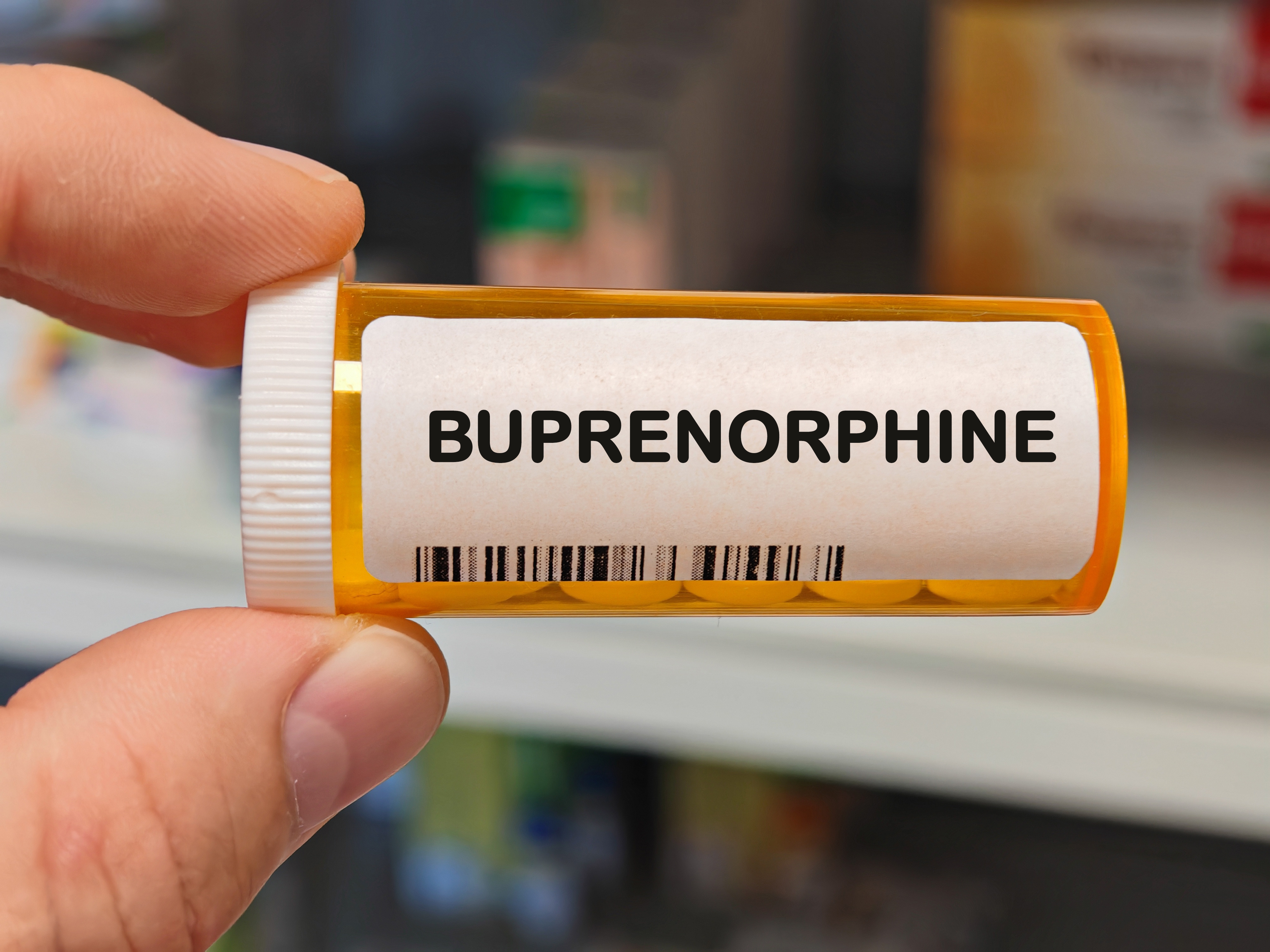
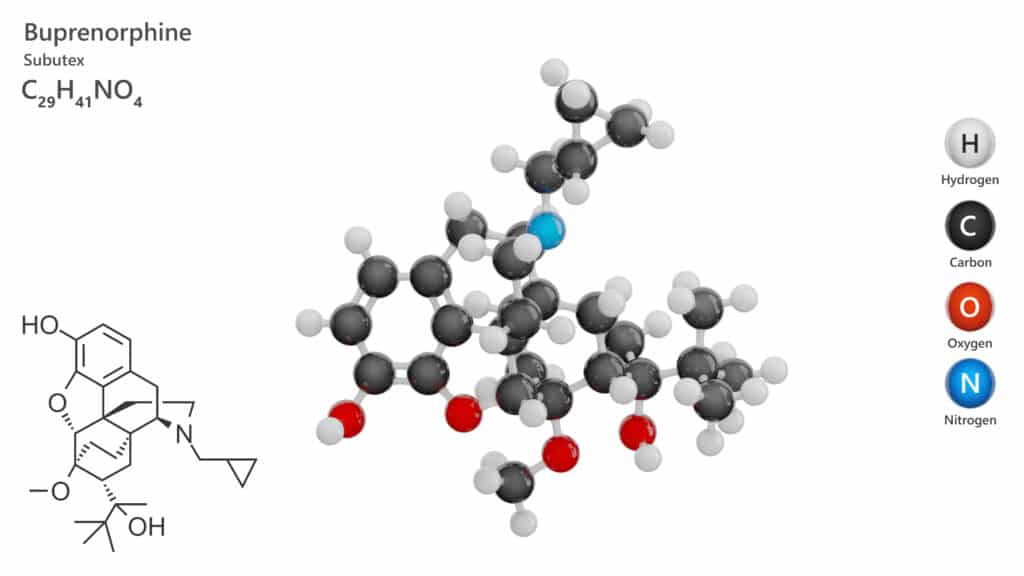
Subutex is a prescription medication that contains buprenorphine, a partial opioid agonist. This means it activates the brain’s opioid receptors, but only partially. As a result, Subutex can reduce withdrawal symptoms and cravings without producing the intense “high” associated with full opioid drugs.
How Subutex Works
Buprenorphine binds strongly to opioid receptors, which helps stabilize the brain during early recovery. Because it has a “ceiling effect,” taking more than the prescribed dose does not create stronger opioid effects. This makes it safer and lowers the risk of misuse.
When Subutex Is Commonly Used
Subutex is often used during the beginning stages of withdrawal, especially for pregnant individuals or people who may have allergies to naloxone, which is why it is important to understand Suboxone vs Subutex in pregnancy. Subutex may also be an option for those who cannot tolerate Suboxone or who need medication without naloxone included.
What Is Suboxone?
Suboxone combines buprenorphine and naloxone. Naloxone is an opioid blocker added to discourage misuse. When taken as prescribed under the tongue, naloxone has almost no effect. But if someone tries to inject Suboxone, naloxone can trigger withdrawal, helping reduce the risk of harmful misuse.
How Suboxone Works
Like Subutex, the buprenorphine in Suboxone helps manage cravings and withdrawal symptoms. The naloxone component adds an extra layer of safety. Suboxone is widely used in outpatient treatment because it supports long-term recovery while lowering the risk of diversion.
When Suboxone Is Commonly Used
Suboxone is typically preferred for ongoing MAT after the initial withdrawal phase. It is often used in treatment centers, outpatient programs, and long-term recovery settings.
Subutex vs. Suboxone: Key Differences
When weighing Suboxone vs Subutex, these medications share many similarities, but their differences are important to understand. Here are key differences:
Ingredients
- Subutex: Contains buprenorphine only.
- Suboxone: Contains buprenorphine + naloxone.
Misuse Potential
Because Subutex does not contain naloxone, it has a slightly higher risk of misuse. Suboxone includes a deterrent to reduce that risk.
Treatment Stage
Subutex may be chosen for early treatment or special medical situations. Suboxone is more often used for long-term maintenance.
Safety Profile
Both medications are considered safe when taken as prescribed under medical supervision. However, Suboxone’s naloxone component adds protection for many patients.
Subutex vs. Suboxone: Which Medication Is Better?
Choosing between Subutex and Suboxone depends on your medical history, personal needs, and treatment goals. Neither medication is “better” for everyone. Instead, your provider will look at several factors, such as:
- History of opioid dependence
- Previous treatment attempts
- Pregnancy status
- Risk of misuse
- Allergic reactions to medication ingredients
- Severity of withdrawal symptoms
A qualified medical team can help determine the difference between Subutex and Suboxone, and identify which option provides the most effective and safe support for long-term recovery for your situation.
Are Subutex and Suboxone Addictive?
Because both medications work with the brain’s opioid receptors, some individuals worry about becoming “dependent” on them. It’s important to understand the difference between dependence and addiction.
Dependence vs. Addiction
- Dependence means the body adjusts to a medication and may require a taper to stop it safely.
- Addiction involves compulsive use despite harm.
When used as prescribed, Subutex and Suboxone do not create the same destructive patterns as opioid misuse. They are evidence-based treatments that help stabilize individuals, allowing them to focus on healing.
Subutex vs. Suboxone: Possible Side Effects
Both medications can cause mild to moderate side effects, especially in the early stages of treatment. Side effects may include:
- Headache
- Nausea
- Constipation
- Sleep difficulties
- Sweating
- Mood changes
Most side effects improve over time. If symptoms become severe or persistent, medical supervision is important to ensure proper dosing. Comprehensive Subutex vs Suboxone safety comparisons should also be part of a thorough assessment of the impact of either drug.
How Subutex and Suboxone Support Recovery
Subutex and Suboxone are most effective when combined with comprehensive treatment. Medication can help manage physical symptoms, but long-term recovery also requires emotional, behavioral, and social support.
A strong treatment plan may include:
- Individual therapy
- Group counseling
- Family support
- Relapse-prevention planning
- Holistic wellness practices
- Peer support networks
When used within a full treatment program, these medications can help people rebuild stability and reduce the risk of relapse.
How Monterey Bay Recovery Can Help
Monterey Bay Recovery offers compassionate, personalized support for individuals using Subutex or Suboxone as part of their recovery. Our luxury drug detox program provides medical oversight, therapeutic guidance, and a safe environment where real healing can begin. We help clients manage their medications, understand their triggers, build healthier habits, and create long-term recovery plans. No one has to face addiction alone. Our team is here to walk with you every step of the way. If you or a loved one needs support, contact Monterey Bay Recovery today to start your path toward lasting recovery.

Final Thoughts on Subutex vs Suboxone
Understanding the difference between Subutex vs Suboxone can empower individuals to make informed decisions about their treatment. While both medications help reduce cravings and withdrawal symptoms, the right choice depends on personal needs, medical history, and professional guidance. Medication-assisted drug rehab treatment is most effective when paired with therapy, structure, and ongoing support. If you or someone you care about is seeking help, Monterey Bay Recovery offers compassionate, evidence-based care to support lasting healing. Reaching out is the first step toward a healthier, more stable future.
Contact Us
Discover a transformative recovery experience, blending holistic and traditional modalities with a beautiful natural environment, and setting a foundation for lifelong healing.
"*" indicates required fields
FAQs About Subutex vs. Suboxone
Is Subutex or Suboxone more effective for long-term recovery?
Both medications can support long-term recovery, but Suboxone is often preferred because the added naloxone helps reduce misuse. Effectiveness depends on individual needs, medical history, and ongoing support.
Can you switch from Subutex to Suboxone later in treatment?
Yes. Many people begin with Subutex and transition to Suboxone once withdrawal stabilizes. A healthcare provider will guide the timing and dosing of Subutex vs Suboxone to ensure a safe approach to switching.
Do Subutex and Suboxone show up differently on drug tests?
Standard drug screens usually cannot distinguish. They generally detect buprenorphine, which is present in both medications. Specialized tests may show more detail.
Is it safe to take Subutex or Suboxone with other medications?
Some medications can interact with buprenorphine, so it’s important to share all prescriptions and supplements with your provider. Never mix these medications with alcohol or sedatives without medical supervision.
Can Subutex or Suboxone be used for chronic pain management?
Although designed for opioid use disorder, buprenorphine-based medications may sometimes help with pain. This use is a more limited use and must be managed carefully by a medical professional.
How long does someone typically stay on Subutex or Suboxone?
Duration varies widely. Some people use the medication short-term, while others remain on maintenance treatment for years. The best timeline is one that supports a stable, safe recovery.
Are Subutex and Suboxone safe for teenagers or young adults?
They can be prescribed to adolescents in some cases, but this depends on state regulations, medical evaluation, and a commitment to structured treatment and monitoring.
Can you drive while taking Subutex or Suboxone?
Most people can drive safely once they are stabilized on their medication. During the early stages of treatment, drowsiness or dizziness may occur, so caution is advised.
What happens if someone suddenly stops taking Subutex or Suboxone?
Stopping abruptly can lead to withdrawal symptoms. A slow, supervised taper helps prevent discomfort and supports long-term success.