
Everything To Know About Lorazepam Overdose
People are usually prescribed Ativan (lorazepam) because they are struggling. Anxiety is high, sleep is disrupted, and they need something to help them get through the day. If a lorazepam overdose occurs, it often feels shocking, particularly when the medication was taken as prescribed.
Understanding how this drug affects the body, what the risks and symptoms of an Ativan overdose are, and when to seek help can bring clarity during a moment that often feels overwhelming.
How Ativan Affects The Nervous System
Lorazepam, often called by the brand name Ativan, is a prescription medication used to help calm anxiety and ease intense nervous system stress. It’s commonly prescribed when panic, agitation, or emotional overload start to feel unmanageable, and the body struggles to settle on its own.
Ativan works by slowing certain brain signals, helping the nervous system calm down. Because it acts quickly, relief can come fast. That can be helpful in the moment, but it can also make it tempting to take doses closer together as anxiety returns. Over time, this pattern can quietly increase risk, especially as tolerance changes or other substances are involved. Knowing this, can you overdose on Ativan, and what are the signs leading to an overdose? Keep reading for clear answers.
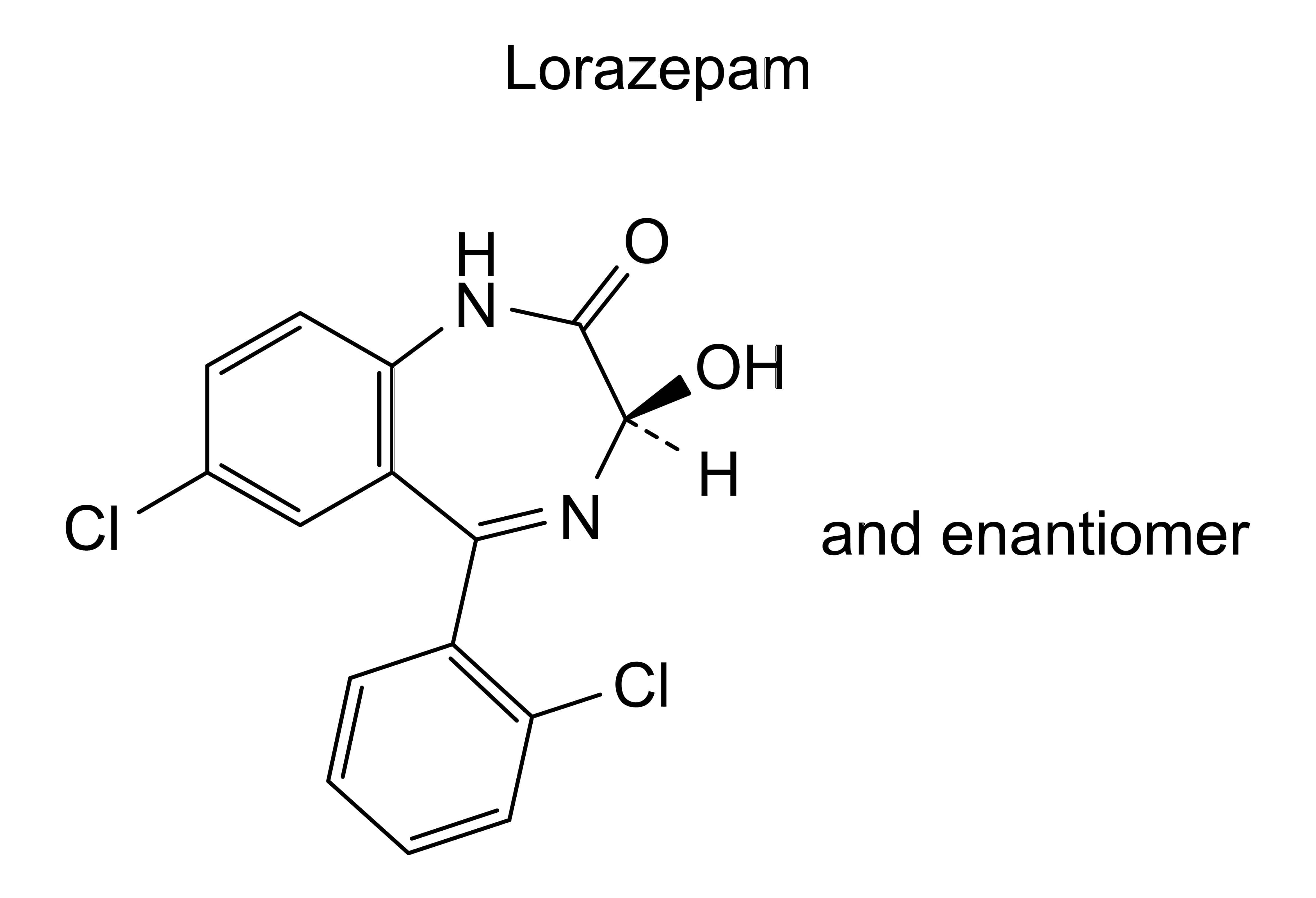
Can You Overdose on Ativan?
Overdose often develops unintentionally. It may happen when doses are taken too close together, increased during periods of distress, or combined with alcohol, opioids, or other medications that slow the nervous system. These combinations significantly raise the risk of dangerous sedation and breathing suppression.
How Much Ativan Is Too Much?
There is no single dose of Ativan that is safe or unsafe for everyone. Lorazepam overdose risk depends on tolerance, overall health, and whether other substances are involved.
Because lorazepam acts relatively quickly, taking more than prescribed or redosing too soon can increase overdose risk. Any concern that too much Ativan has been taken should be treated as a medical emergency.
Ativan Overdose Symptoms and Warning Signs
Ativan overdose symptoms can vary and may worsen over time. Common signs include:
- Extreme drowsiness or inability to stay awake
- Slurred or slowed speech
- Confusion or disorientation
- Poor coordination or unsteady movement
- Shallow or slowed breathing
- Reduced responsiveness or loss of consciousness
If someone cannot be awakened or breathing becomes irregular, emergency medical care is needed immediately.
Factors That Increase The Risk Of Lorazepam Overdose
An Ativan overdose is rarely caused by a single factor. Risk often builds through a combination of circumstances, including:
- Taking higher doses during periods of anxiety or stress
- Taking doses too close together
- Long-term use leading to tolerance
- Mixing Ativan with alcohol, opioids, or sleep medications
- Returning to use after a break
Understanding these factors helps move the conversation away from blame and toward safety and prevention.
When Ativan Is Combined With Other Drugs
Mixing Ativan with other substances significantly increases overdose risk. These combinations can overwhelm the nervous system, making symptoms more severe and unpredictable.
Alcohol
Alcohol and Ativan both depress the central nervous system. Together, they can severely slow breathing, reduce awareness, and lead to dangerous levels of sedation. Even small amounts of alcohol can dramatically intensify Ativan’s effects, and it may be advisable to seek out alcohol rehab to minimize harmful health risks.
Stimulants
When combined with stimulants, Ativan can mask warning signs like anxiety or agitation while placing added strain on the heart and nervous system. This false sense of control can lead to risky dosing decisions.
Other Depressants
Combining Ativan with opioids, other benzodiazepines, or sleep medications creates one of the highest overdose risks. These substances all suppress breathing, and together they can overwhelm the body’s ability to regulate vital functions.

Home Care And When To Seek Emergency Help
An Ativan overdose should not be managed at home. If someone shows signs of overdose, seek medical help right away. Stay with them, monitor breathing and responsiveness, and avoid inducing vomiting unless instructed by poison control or a healthcare provider.
Symptoms can worsen over time, even if they seem mild at first. Seeking help early helps protect safety and allows medical professionals to stabilize the situation before it intensifies.
Ativan Overdose Treatment And Immediate Care
Care after an Ativan overdose begins with stabilization and close medical monitoring, with a focus on safety and nervous system support. The goal is to help the body regain balance while reducing the risk of further complications.
Medical Stabilization And Monitoring
In the immediate phase, care focuses on monitoring breathing, heart rate, and responsiveness. Because Ativan’s effects can change over time, medical teams also watch for delayed or worsening symptoms and respond quickly if concerns arise.
Medically Supported Detox
Once someone is stable, attention often turns to lorazepam withdrawal risks. A medically supported clinical detox program allows the nervous system to adjust gradually, helping reduce discomfort while protecting safety, especially after an overdose when the body may be more sensitive.
Residential Treatment And Continued Support
For many people, an overdose brings deeper patterns related to anxiety, stress, or substance use into focus. Our personalized luxury drug rehab provides a calm, supervised setting with individualized care and therapy, with sober living and aftercare supporting stability beyond the initial crisis.
Lorazepam Withdrawal And What To Expect
Withdrawal from Ativan can occur when lorazepam use is reduced or stopped after regular use, especially if changes happen suddenly. Because the nervous system may have adapted to the medication, symptoms can appear as the body works to regain balance.
Early Lorazepam Withdrawal Phase 24 to 48 Hours
Because lorazepam acts relatively quickly, early Ativan withdrawal symptoms may begin within the first day or two after the last dose. During this phase, people often notice rising anxiety, restlessness, irritability, or difficulty sleeping as the nervous system starts adjusting.
Peak Ativan Withdrawal Phase Days 2 to 7
Symptoms often intensify over the next several days. Anxiety may feel sharper, sleep can be disrupted, and physical symptoms such as tension, agitation, or heightened sensitivity can appear. For many, this is the most uncomfortable phase of Ativan withdrawal and the point where medical support can be especially helpful.
Stabilization Phase After The First Week
After the first week, symptoms typically begin to ease, though the timeline varies from person to person. Some individuals may continue to experience lingering anxiety, sleep changes, or low mood for several weeks, particularly after long-term or higher-dose use. Lorazepam withdrawal is best approached with steady, supportive care rather than abrupt changes.
Ways To Lower The Risk Of Ativan Misuse And Overdose
Prevention is about listening before things escalate. Lowering overdose risk often starts with paying attention to patterns and having the right support in place. Small, intentional steps can make a meaningful difference.
- Taking Ativan only as prescribed
- Avoiding early or extra doses
- Attending regular follow-up appointments
- Avoiding alcohol and other sedating substances
- Informing providers about all medications being used
- Learning the early signs of tolerance or dependence
- Building non-medication coping strategies for anxiety
- Having a plan in place if concerns arise
Recovery Support After Lorazepam Overdose
A lorazepam overdose often reflects a nervous system that has been under strain for too long. Monterey Bay Recovery offers medically guided detox, residential treatment, and structured sober living in a calm, private setting focused on restoring balance with care and dignity. With the right support, moving forward can feel steadier and more manageable.
Contact Us
Discover a transformative recovery experience, blending holistic and traditional modalities with a beautiful natural environment, and setting a foundation for lifelong healing.
"*" indicates required fields
FAQs: Lorazepam Overdose
Is Ativan the same as Xanax?
No. Both are benzodiazepines used for anxiety, but Ativan contains lorazepam and Xanax contains alprazolam. They differ in how quickly they act and how long their effects last.
Is lorazepam safe for pregnancy?
Lorazepam is generally not recommended during pregnancy unless clearly necessary. Anyone who is pregnant or planning to become pregnant should talk with a healthcare provider before using it.
Is a lorazepam overdose always life-threatening?
Not always, but a lorazepam overdose can become serious quickly. Any overdose that affects breathing or consciousness should be treated as a medical emergency.
What happens after someone is stabilized from an Ativan overdose?
After stabilization, care often focuses on withdrawal risk, medication patterns, and whether structured treatment or detox support is needed to reduce future overdose risk.
Does mixing Ativan and alcohol increase overdose risk?
Yes. Combining Ativan with alcohol significantly increases the risk of dangerous sedation and breathing suppression.