
Recognizing and Responding to Fentanyl Overdose
Fentanyl overdose has become an urgent and deeply personal concern for many families. This synthetic opioid is powerful, fast-acting, and often present without a person’s knowledge. Knowing how to recognize warning signs and respond with clarity can help steady a frightening moment and support safer outcomes.
What Makes Fentanyl Different
Fentanyl is a synthetic opioid used medically; it belongs to a group of drugs used to relieve pain. Opioids include prescription medications like morphine as well as illegal substances such as heroin. They can be helpful in medical settings, but they also slow breathing and affect how the body responds.
What sets fentanyl apart is how strong it is and how often it shows up unexpectedly. It is fully synthetic and, outside of medical care, is frequently made and mixed into other drugs without warning.
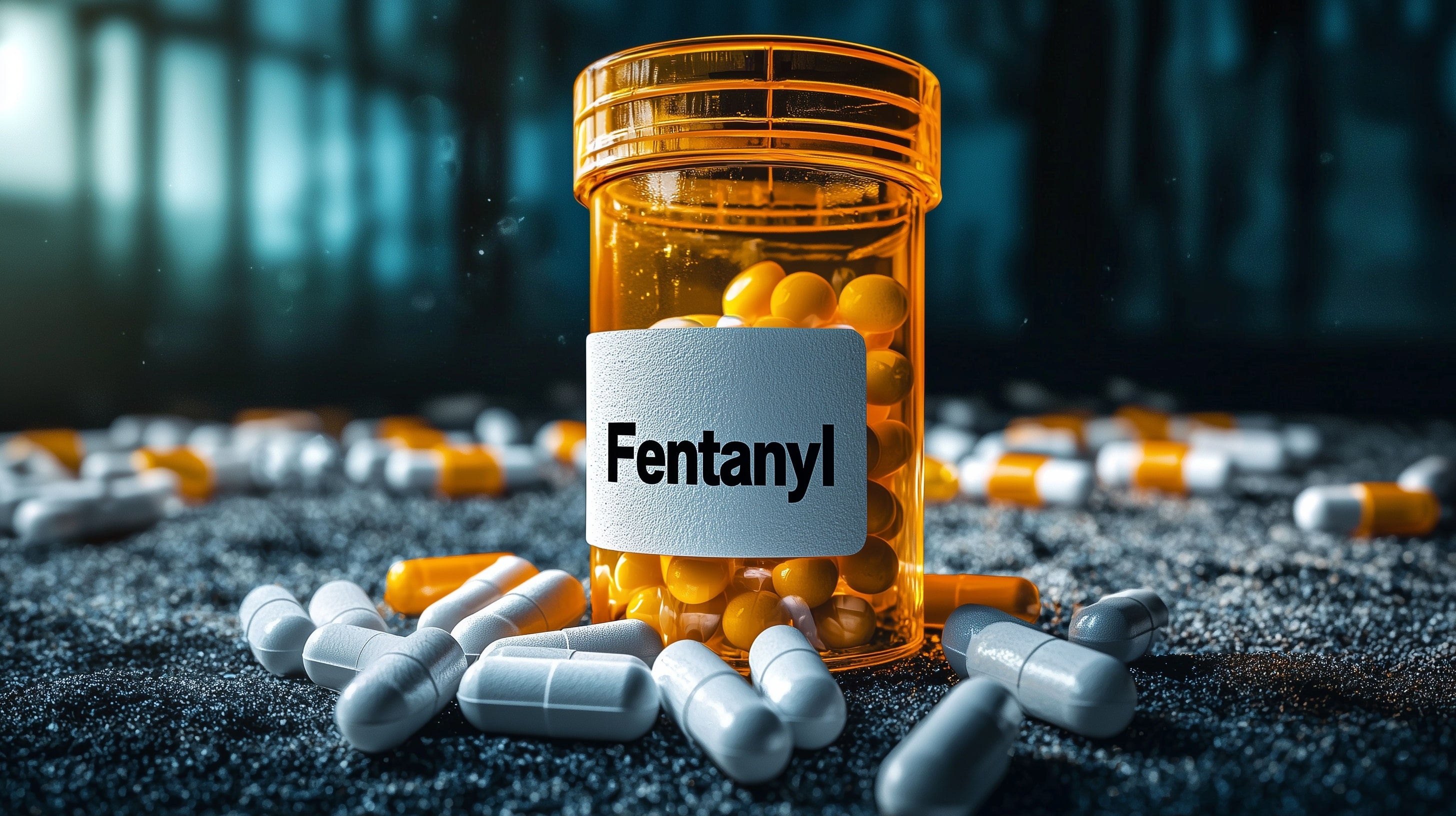
Why Fentanyl Overdose Happens So Quickly
Fentanyl moves through the body fast, and it doesn’t take much for it to become overwhelming. Compared to other opioids, even a small amount can slow breathing and quiet the nervous system almost immediately. What makes this especially dangerous is that fentanyl is often mixed into other substances without warning.
Someone may believe they are taking something familiar, only to feel the effects escalate before they understand what is happening. That speed leaves very little margin for error in the event of a fentanyl overdose, which is why early awareness and prompt responses matter so much.
How Fentanyl Affects the Body During an Overdose
When fentanyl slows breathing, the brain begins receiving less oxygen. This shift can happen quickly and without obvious signs of distress. Someone may appear to be asleep while their heart and brain are under increasing strain.
Within minutes, low oxygen levels can begin to affect vital organs. This is what makes fentanyl overdose so unpredictable and why immediate support is often needed, even when the situation looks calm on the surface.
Common Fentanyl Overdose Symptoms to Watch For
Fentanyl overdose symptoms often appear in breathing, awareness, and physical responsiveness. Warning signs may include:
- Very slow, shallow, or irregular breathing
- Extreme drowsiness or drifting in and out of consciousness
- Inability to wake or respond to voice or touch
- Blue or gray coloring around the lips or fingertips
- A limp, heavy, or unresponsive body
These symptoms can unfold quietly rather than dramatically. If something feels off, trusting that instinct and acting early is the safer choice.
Overdose Effects to Be Aware Of
When a fentanyl overdose occurs, the body can begin to shut down in ways that are not always immediately obvious. These effects reflect how deeply breathing and oxygen levels are being affected.
A fentanyl overdose may result in:
- A state of stupor where the person is barely responsive or not responsive at all
- Noticeable changes in pupil size, often becoming very small
- Skin that feels cold, pale, or clammy to the touch
- A bluish tint to the lips, fingertips, or skin due to low oxygen levels
- Severe breathing problems that can become life-threatening
- Loss of consciousness or coma
These effects signal a medical emergency. Even if the person appears quiet or still rather than distressed, immediate support is critical to protect the brain and body.
What to Do If You Suspect a Fentanyl Overdose
If you believe you are at risk of fentanyl overdose, call emergency services right away. Try to wake the person by speaking clearly, calling their name, or gently stimulating them.
If naloxone is available, administer it as directed and stay with the person until help arrives. Remaining present and steady can help stabilize the situation while support is on the way.
Fentanyl Overdose Treatment and Immediate Care
Since fentanyl can remain active longer than reversal medications, continued observation is often necessary. Monterey Bay Recovery offers residential inpatient care with specialized fentanyl overdose treatment and options that include:
- Medically supervised stabilization, monitoring, and professional detox
- Coordination with emergency and medical providers
- Gentle assessment of physical and emotional recovery needs
- Individualized planning for ongoing care and support
- A peaceful, private environment to help the nervous system settle
A Calmer Approach to Fentanyl Overdose Recovery
Care here is personal and deliberate. Following a fentanyl overdose, we focus on helping individuals reconnect with their bodies, restore a sense of safety, and understand what support will truly help them move forward. Monterey Bay offers a private drug rehab setting in a calm coastal environment, where recovery becomes less about reacting to crisis and more about creating steadiness, clarity, and a foundation for lasting change.
Contact Us
Discover a transformative recovery experience, blending holistic and traditional modalities with a beautiful natural environment, and setting a foundation for lifelong healing.
"*" indicates required fields
FAQs About Fentanyl Overdose
How fast can a fentanyl overdose happen?
A fentanyl overdose can develop within minutes, especially when the substance is injected or inhaled. The speed and intensity often exceed what people expect from other opioids.
Can someone recover from a fentanyl overdose without treatment?
Even if someone appears to recover, a fentanyl overdose always carries a serious risk. Medical evaluation helps ensure stable breathing and reduces the risk of delayed complications.
Is naloxone always effective for fentanyl overdose?
Naloxone can reverse a fentanyl overdose, but multiple doses may be needed. Because fentanyl is potent and long-lasting, medical monitoring remains important after use.
What increases the risk of fentanyl overdose?
Risk of fentanyl overdose increases when substances are mixed, tolerance has changed, or someone uses alone. Many overdoses happen unexpectedly, even among experienced individuals.
How can treatment help prevent another fentanyl overdose?
Treatment provides structure, monitoring, and support that address both physical safety and underlying substance use patterns. With personalized care, the risk of repeat overdose can be significantly reduced.