
The Real Risks of Oxycodone Overdose and How to Stay Safe
When oxycodone builds up in the system, breathing and awareness can slow without obvious warning. What begins as relief can cross into danger faster than many people realize. Understanding how an oxycodone overdose can happen helps people recognize risk earlier and act before a situation becomes an emergency.
What Oxycodone Is and Why It Requires Caution
Oxycodone is a prescription pain medication that’s often used after surgery, injury, or during periods when pain feels harder to control. You might hear it called OxyContin, Percocet when it’s combined with acetaminophen, Roxicodone, or simply Oxy. Its job is to quiet pain signals in the brain, which can feel like a much-needed break when discomfort has taken over daily life.
That sense of relief is also where extra care matters. Oxycodone slows the body down, including breathing and alertness, and those changes don’t always announce themselves right away. With extended-release versions staying active longer, it can be easier than people expect to drift from relief into risk without realizing it. But can you overdose on oxycodone, and what are the signs to look for? Keep reading for answers to these critical questions.
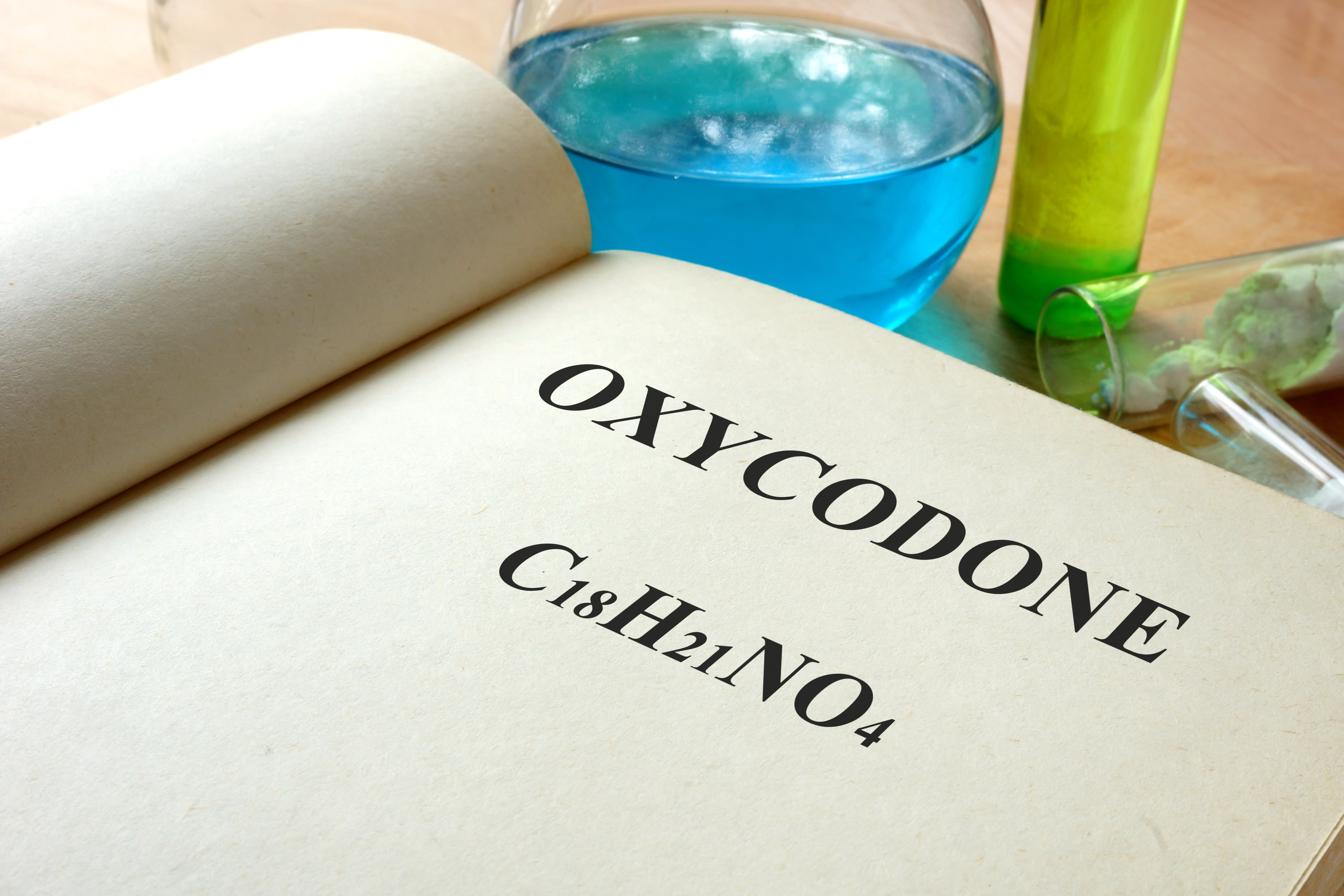
Can You Overdose on Oxycodone?
Oxycodone overdose can happen, including when it’s prescribed. It occurs when the medication builds up enough to interfere with the systems that control breathing and consciousness.
Rather than a sudden event, overdose often develops gradually. Changes in tolerance, taking doses too close together, or combining oxycodone with alcohol or other medications can quietly push the body beyond safe limits.
How Oxycodone Overdose Occurs
Oxycodone depresses the central nervous system. As levels rise, breathing can become shallow or irregular, reducing oxygen delivery to the brain. The body does not always send strong warning signals right away.
Extended-release formulations, overlapping doses, and combinations of substances increase the risk. What feels stable at one point can become dangerous without clear boundaries.
Oxycodone Overdose Symptoms to Watch For
Oxycodone overdose symptoms often involve breathing, awareness, and responsiveness. Warning signs may include:
- Slow or shallow breathing
- Extreme drowsiness or drifting in and out of consciousness
- Difficulty waking or responding to voice or touch
- Blue or gray coloring around the lips or fingertips
- Confusion or disorientation
- A limp or unresponsive body
What to Do If You Suspect an Oxycodone Overdose
If you believe an oxycodone overdose may be happening, call emergency services immediately. Try to wake the person by calling their name, speaking clearly, or gently stimulating them.
Stay with them and monitor breathing while help is on the way. If naloxone is available, administer it as directed and remain present. Calm, attentive action can prevent further harm.
Oxycodone Overdose Treatment and Immediate Care
Most of the time, opioids remain active longer than reversal medications; therefore, continued observation and follow-up are often essential. Monterey Bay Recovery offers oxycodone overdose treatment that includes:
- Medically supervised stabilization in a calm, controlled setting
- Coordination with emergency and medical providers
- Supervised detox care is provided when appropriate and clinically indicated
- Transition into supportive residential treatment if continued support is needed

Are There Alternatives to Oxycodone?
Pain is personal, and opioids are not the right solution for everyone. Opioids like morphine, oxycodone, and fentanyl have different effects on different people, so it’s imperative to talk to a physician if you’re seeking alternatives. Depending on the type and duration of the pain, other options may be available. Alternatives may include:
- Non opioid pain medications
- Adjusting or changing prescriptions under medical guidance
- Improving physical fitness and mobility through gentle movement
- Pacing activity to reduce flare-ups and strain
- Relaxation and stress management techniques that calm the nervous system
- Strengthening daily routines, sleep habits, and nutrition
- Whole body approaches that support overall health and emotional balance
Additionally, many people find that combining medical guidance with restorative, nature-based, and mindfulness-focused practices can help reduce reliance on medication over time. A trusted provider can help tailor a holistic approach that supports both comfort and long-term well-being.
Personalized Care After an Oxycodone Overdose
An overdose can leave people feeling unsettled and unsure of what comes next. Recovery isn’t only about physical stabilization, but also about restoring a sense of safety and direction. If you or someone you love needs a calm, private drug rehab to stabilize after an overdose, our team is here to help you take the next step with clarity and care.
Contact Us
Discover a transformative recovery experience, blending holistic and traditional modalities with a beautiful natural environment, and setting a foundation for lifelong healing.
"*" indicates required fields
FAQs About Oxycodone Overdose
How much oxycodone is considered dangerous?
There is no single dose that is exclusively dangerous for everyone. Risk of oxycodone overdose depends on tolerance, body chemistry, and whether other substances are involved. Taking more than prescribed or taking doses too close together increases overdose risk.
Can prescription use still lead to oxycodone overdose?
Yes. Many overdoses occur unintentionally, even with prescribed use, especially when tolerance changes or medications are combined.
How quickly do oxycodone overdose symptoms appear?
Symptoms may develop within minutes or over several hours. Extended-release formulations can delay symptom onset, making monitoring especially important.
Is naloxone effective for oxycodone overdose?
Yes. Naloxone can reverse an oxycodone overdose. Multiple doses may be needed, and medical observation afterward is still important.
How can professional care help reduce future overdose risk?
Professional care provides monitoring, education, and personalized support to address safety and underlying risk factors, helping reduce the likelihood of recurrence.