
Everything To Know About Morphine Overdose
A morphine overdose doesn’t always happen suddenly. It often develops quietly, shaped by small changes such as a dose that feels stronger than expected or a body that responds differently over time. Because morphine is an opioid, those changes matter. It slows breathing and awareness, and when that process goes too far, the situation can quickly become dangerous. Learning how overdose develops can help you recognize risk sooner and act in time.
What Is Morphine and Why Is It Prescribed?
Morphine is a prescription opioid used to manage moderate to severe pain, particularly when other medications aren’t strong enough. It’s commonly prescribed after surgery, serious injury, or during advanced illness, where comfort and pain relief are a priority.
For many people, morphine provides stability during intense physical pain. It works by reducing the intensity of pain signals perceived by the brain, allowing the body to rest and recover. Its effects can deepen over time. But can you overdose on morphine, and how can you prevent overdosing? Keep reading for answers to these important questions.
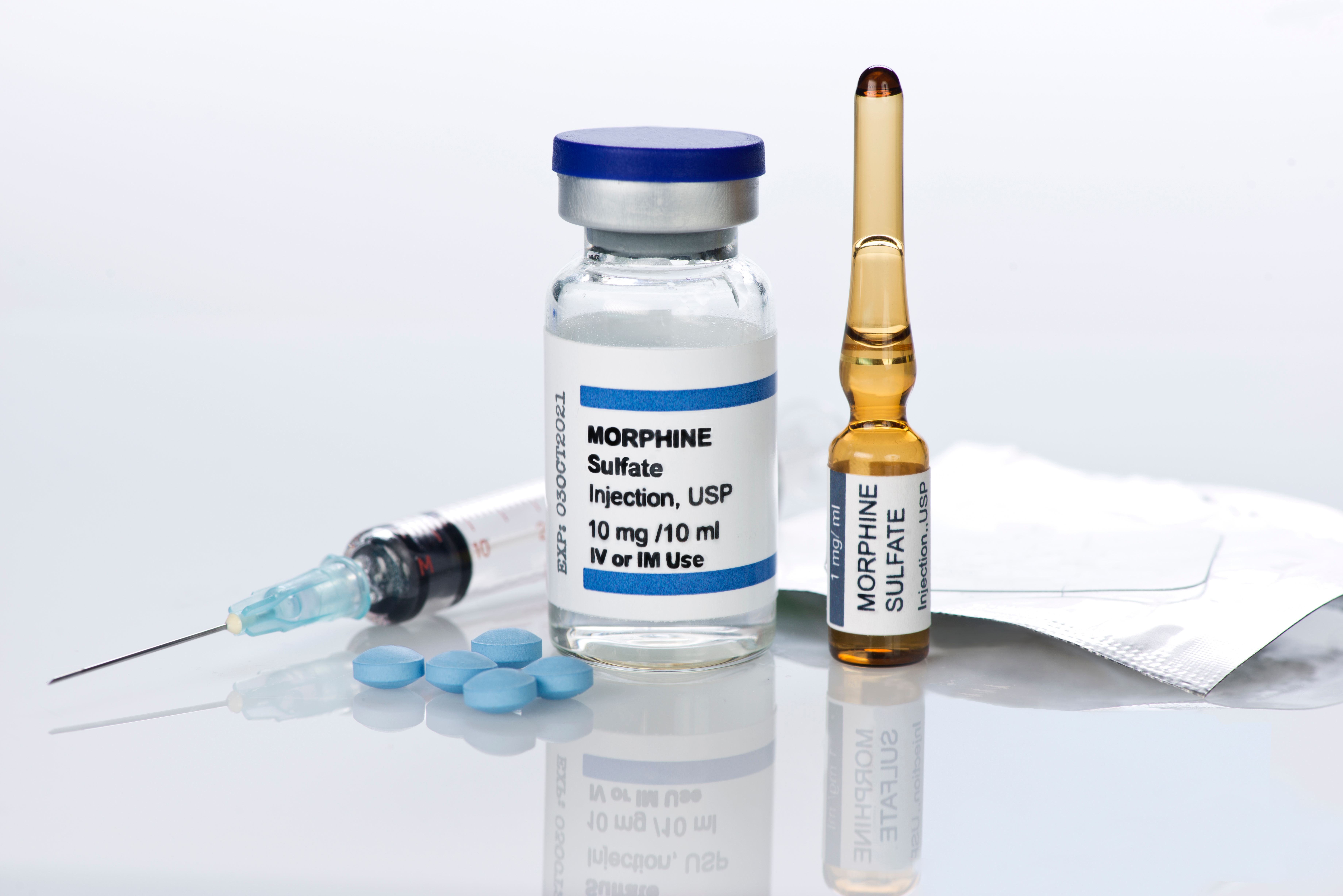
Can You Overdose on Morphine?
Unfortunately, yes. A morphine overdose can occur when the medication slows the body more than it can safely handle. As morphine builds up, breathing and awareness may decrease to dangerous levels.
This risk doesn’t always come from misuse. Changes in tolerance, taking doses too close together, combining morphine with alcohol or other medications, or resuming use after a break can all quietly increase risk, sometimes without immediate or obvious warning signs. This is why seeking drug and alcohol treatment is so vital to avoid health-harming effects such as overdose or long-term complications.
How Morphine Overdose Happens
Morphine depresses the central nervous system. As levels rise, breathing can become slower and shallower, reducing oxygen to the brain.
Extended use, higher doses, or mixing substances can make it harder for the body to keep up. Because changes often feel gradual, a morphine overdose may not be recognized until symptoms become more severe.
Morphine Overdose Symptoms to Watch For
Morphine overdose symptoms often involve breathing, awareness, and physical responsiveness. Signs may include:
- Slow, shallow, or irregular breathing
- Extreme drowsiness or difficulty staying awake
- Trouble responding to voice or touch
- Blue or gray coloring around the lips or fingertips
- Confusion or disorientation
- A limp or unresponsive body
These symptoms can progress quietly. If something feels off, it is safer to act early rather than wait.
Understanding Morphine Side Effects
Morphine overdose side effects can vary from person to person and may change over time. Some effects feel mild at first, while others can become more noticeable as the medication remains active in the body.
- Drowsiness or fatigue
- Nausea or stomach discomfort
- Constipation
- Dizziness or lightheadedness
- Slowed breathing
- Mental fog or difficulty concentrating
When side effects begin to intensify or feel unfamiliar, it may signal that the body needs closer monitoring.

What to Do If You Suspect a Morphine Overdose
If you believe a morphine overdose may be happening, call emergency services immediately. Try to wake the person by speaking clearly, calling their name, or gently stimulating them.
If naloxone is available, administer it as directed and stay close until help arrives. Being calm and present can help protect the person while support is on the way.
Morphine Overdose Treatment and Immediate Care
Once the immediate crisis has passed, we create a personalized morphine overdose treatment plan for you.
This may begin with detox care, during which we fully detox your body from opioids. From there, you may transition into residential care, giving you time to stabilize physically, process the experience, and address the factors that led to the overdose.
Throughout each step, our drug rehab approach is coordinated and personal. Our focus is not only on managing symptoms, but on restoring safety, clarity, and direction in a calm, private environment.
Care and Support After a Morphine Overdose
A morphine overdose often serves as a quiet turning point. It brings awareness to how fragile things have become and how important additional support may be. Moments like these are less about what went wrong and more about what is needed now. Monterey Bay Recovery provides residential care treatment in a private, steady environment where people can pause after a crisis, regain stability, and begin moving forward without pressure or judgment.
Contact Us
Discover a transformative recovery experience, blending holistic and traditional modalities with a beautiful natural environment, and setting a foundation for lifelong healing.
"*" indicates required fields
FAQs About Morphine Overdose?
How much morphine is considered dangerous?
There is no single dose that is dangerous for everyone. Risk of morphine overdose depends on tolerance, body chemistry, and whether other substances are involved. Taking more than prescribed significantly increases overdose risk.
Can prescription use still lead to morphine overdose?
Yes. Even when prescribed, changes in tolerance or combining morphine with other medications can overwhelm the body and lead to morphine overdose.
How quickly do morphine overdose symptoms appear?
Symptoms may develop within minutes or gradually over several hours. Long-acting formulations can delay warning signs, which makes monitoring especially important.
What is the antidote for morphine?
Naloxone is the primary antidote used to reverse morphine overdose. It works by blocking opioids from attaching to receptors in the brain, helping restore breathing. Because morphine can last longer than naloxone, medical observation afterward is still essential.
How can professional care help prevent another morphine overdose?
Professional care addresses both immediate safety and underlying risk factors. With personalized support and monitoring, the likelihood of repeat overdose can be reduced.