
Hydrocodone vs Oxycodone: Uses, Potency, and Addiction Risk
When considering the uses, potency, and addiction risks of hydrocodone vs oxycodone, there are many variables to factor in. They’re both opioids commonly prescribed for pain, but each works differently on the body. While these drugs can provide relief, they are highly addictive, which prompts many people to investigate the real risks of taking each medication and what to do if they become dependent on either of these opioids.
Understanding Hydrocodone vs Oxycodone
Hydrocodone and oxycodone are semi-synthetic opioids that bind to receptors in the brain and spinal cord to block pain and increase dopamine, which contributes to their pain-relieving and reinforcing effects.
Both are classified as Schedule II controlled substances, meaning they have accepted medical use but a high potential for misuse and dependence.
- Hydrocodone is most commonly found in combination medications like Vicodin and Norco, which include acetaminophen
- Oxycodone is found in Percocet (combined with acetaminophen) and in standalone forms like OxyContin
- Both combination products carry an additional risk of liver damage due to acetaminophen at high doses
- Both are intended for short-term or closely monitored use
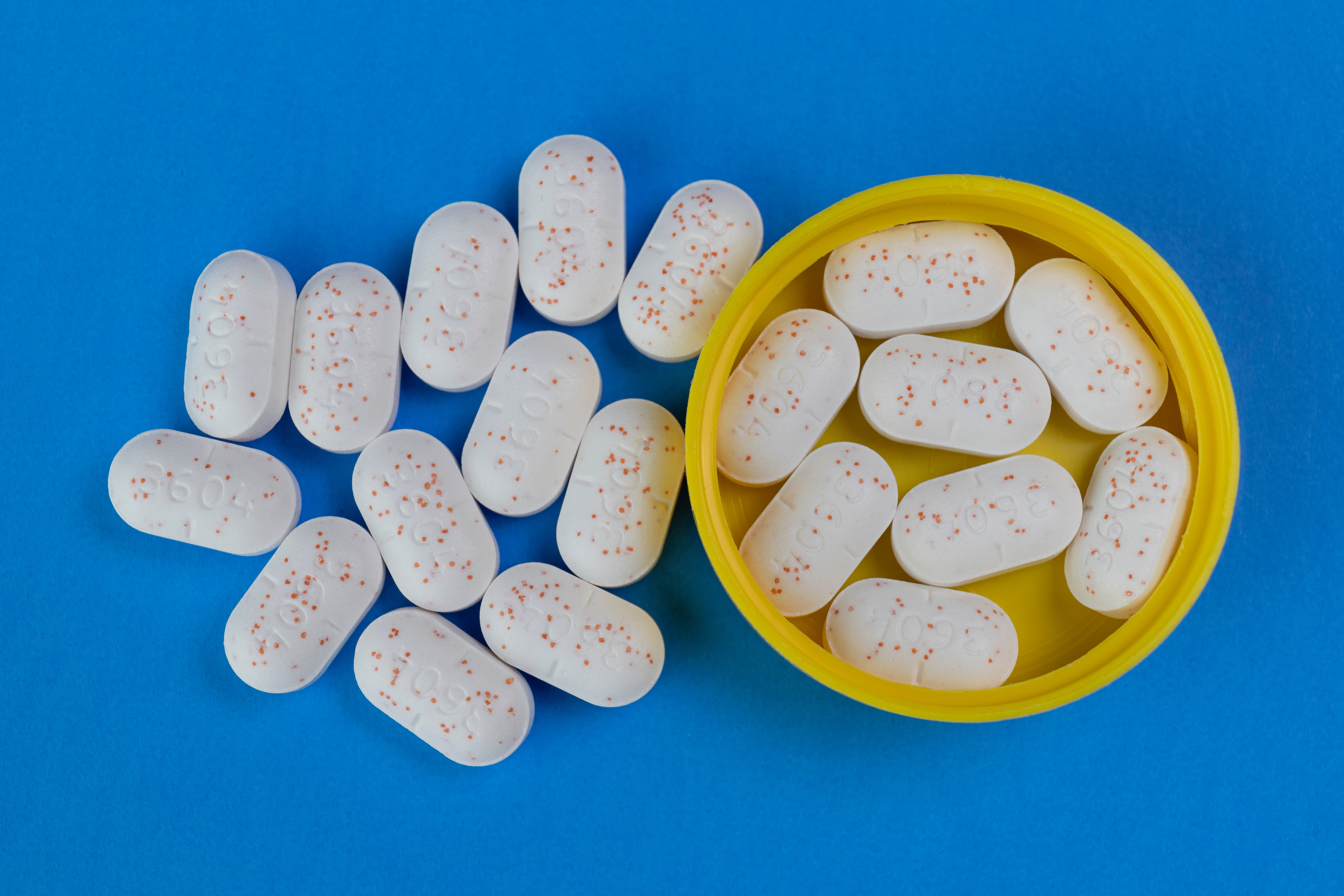
Vicodin vs Percocet: The Brand Name Comparison
The Vicodin vs Percocet comparison is essentially the brand-name version of hydrocodone vs oxycodone.
Vicodin contains hydrocodone with acetaminophen. Percocet contains oxycodone with acetaminophen. The key difference comes down to potency. Oxycodone is generally stronger milligram for milligram, which is one reason Percocet has been associated with higher misuse rates.
Both medications were widely prescribed during the early years of the opioid crisis and became entry points into dependence for many patients.
Which Is Stronger: Hydrocodone vs Oxycodone?

Oxycodone is generally considered about 1.5 times more potent than hydrocodone when taken orally.
In practical terms:
- 10 mg of oxycodone produces a similar effect to about 15 mg of hydrocodone
- Oxycodone tends to produce a more noticeable subjective effect, which can increase misuse potential
- Hydrocodone is one of the most prescribed opioids by volume
- Both can cause life-threatening respiratory depression, especially when combined with alcohol or benzodiazepines
Hydrocodone vs Oxycodone Withdrawal: What to Expect
Opioid withdrawal is extremely uncomfortable, but it is not typically life-threatening in otherwise healthy adults.
In terms of comparing hydrocodone vs oxycodone, withdrawal generally follows a similar pattern for both opioids:
- Symptoms begin 8 to 24 hours after the last dose
- Symptoms peak around 48 to 72 hours
- The acute phase lasts about five to seven days
- Common symptoms include anxiety, muscle pain, sweating, chills, insomnia, nausea, diarrhea, and intense cravings
- Post-acute symptoms like low mood and sleep disruption can last weeks or longer
Medication-assisted oxycodone or hydrocodone addiction treatment that includes buprenorphine and methadone is one of the most effective, evidence-based ways to manage withdrawal and reduce relapse risk.
Signs That Opioid Use Has Become a Problem
The shift from medical use to a Percocet or Vicodin addiction is not always obvious. Signs that professional support may be needed include:
- Taking more than prescribed
- Seeking medication from multiple providers or outside prescriptions
- Feeling unable to function without opioids
- Using opioids to cope with emotional stress instead of physical pain
- Experiencing withdrawal when doses are missed
- Have had a drug and opioid overdose
- Continuing use despite negative consequences
Recognizing these signs early can make a significant difference in recovery outcomes.

Getting Opioid Addiction Treatment That Addresses the Whole Picture
Effective opioid addiction treatment goes beyond detox. While medically supervised withdrawal is the first step, long-term recovery requires addressing the underlying reasons opioids became necessary in the first place.
Monterey Bay Recovery offers clinical stabilization under medical supervision for individuals seeking relief from hydrocodone or oxycodone dependence. From there, our residential program focuses on the psychological, emotional, and behavioral aspects of dependence through individualized, evidence-based care.
For those seeking prescription opioid rehab, our six-bed facility offers a private, structured environment where recovery is treated as a full process, not just a short-term intervention.

Ready to Take the Next Step?
Whether you are struggling with hydrocodone, oxycodone, or another opioid, support is available. A confidential conversation can help you understand your options and what recovery could look like.
FAQs About Hydrocodone vs Oxycodone and Treatment
Can you take hydrocodone and oxycodone at the same time?
No. There is no clinical reason to take both together. Combining two opioids significantly increases the risk of respiratory depression and overdose without providing meaningful additional pain relief. If this is happening, it is a strong sign that professional opioid addiction treatment may be needed.
What is the difference between short-acting and extended-release opioids?
Short-acting opioids provide relief for a few hours and are typically used for acute pain. Extended-release opioids release the drug slowly over a longer period. When comparing hydrocodone vs oxycodone from an addiction perspective, drugs that reach peak levels quickly tend to be more reinforcing and carry higher misuse potential.
Do hydrocodone and oxycodone show up differently on drug tests?
Basic drug tests may not always reliably detect these medications. More advanced panels can identify both specifically. If you have a valid prescription, it is important to disclose it to the testing authority beforehand.
What is the role of medication-assisted treatment in recovery?
Medication-assisted treatment using medications like buprenorphine or methadone helps reduce cravings, stabilize the body, and lower overdose risk. When combined with therapy, it produces significantly better long-term outcomes.
Can opioid use disorder be treated without medication?
Yes, but it depends on the individual. Some people succeed with prescription opioid rehab and therapy alone, especially in less severe cases. However, for moderate to severe opioid use disorder, medication-assisted treatment is strongly supported by evidence and often improves outcomes.
Contact Us
Discover a transformative recovery experience, blending holistic and traditional modalities with a beautiful natural environment, and setting a foundation for lifelong healing.
"*" indicates required fields