
Am I an Alcoholic? Signs It May Be Time to Get Help
Quick Answer: If you’re asking the question, “Am I an alcoholic?”, the clearest sign that it may be time to get help is whether alcohol has become difficult to control or is causing harm in your life. If you drink more than you intend to, struggle to cut back, experience cravings or withdrawal symptoms, hide your drinking, or keep drinking despite consequences, those may be signs of alcohol use disorder.
Am I an Alcoholic? What Does It Mean
Questioning your drinking does not mean you have failed. It often suggests that something about alcohol has started to feel harder to ignore, whether that is drinking more than planned, feeling uneasy without it, or wondering why it has become such a regular part of your life.
Clinicians often use the term “alcohol use disorder” instead of “alcoholic,” which can make the conversation feel less personal and more focused on health. The goal is not to judge who you are, but to understand whether alcohol is affecting your safety, peace of mind, relationships, or ability to feel in control.
For many people, the concern is not whether they fit a stereotype. It is whether alcohol has become harder to manage, easier to justify, or more central to daily life than it used to be.
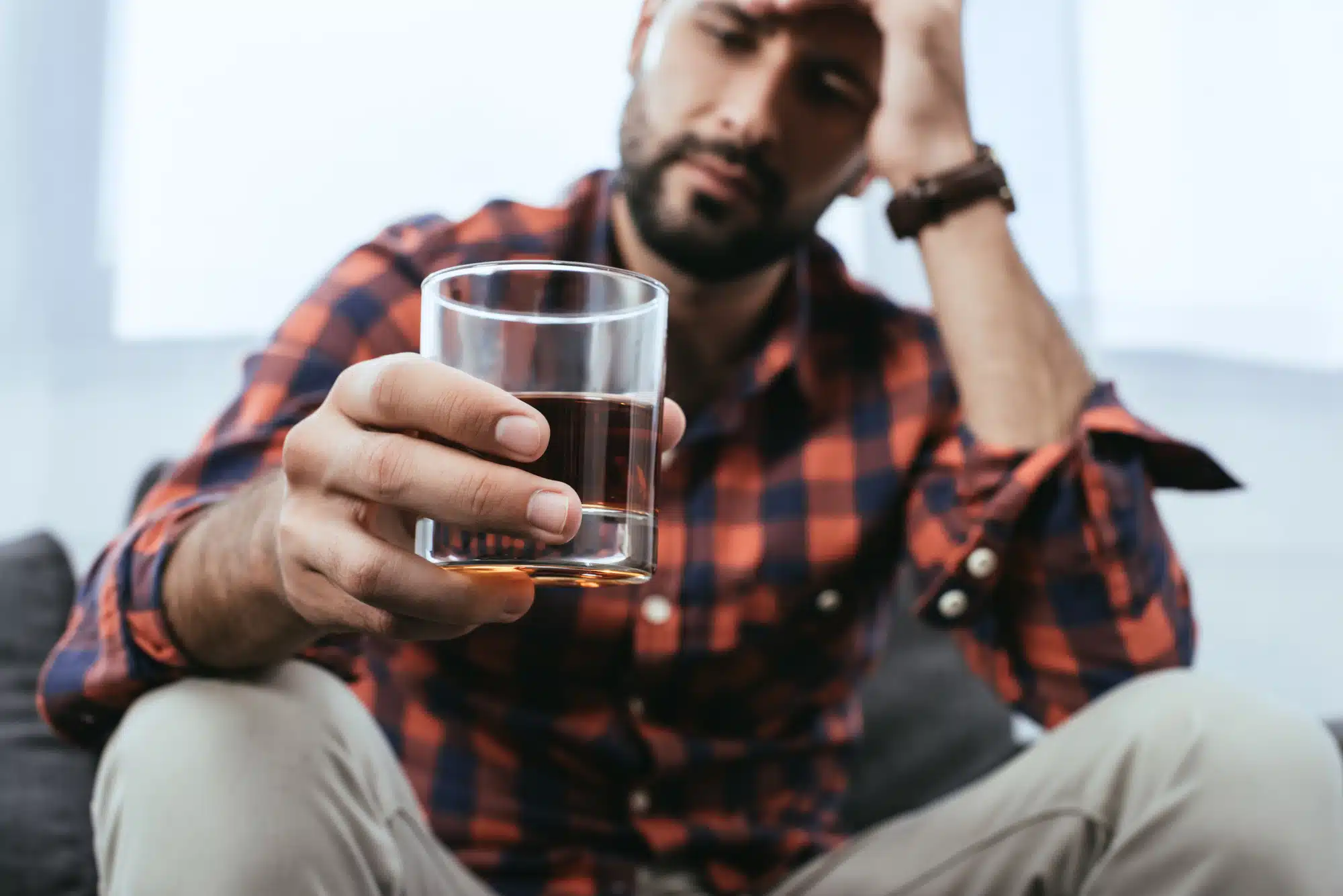
What Are the Signs Alcohol May Be Affecting Your Life?
Some signs that alcohol may be affecting your life are when it starts changing your choices, routines, emotions, or relationships. Signs alcohol may be affecting your life are not always dramatic, and they can be easy to explain away at first.
Common signs may include:
- Drinking more than you intended
- Trying to cut back, but not being able to maintain it
- Thinking often about when you can drink again
- Using alcohol to manage stress, anxiety, loneliness, or sleep
- Hiding how much you drink
- Feeling defensive when someone asks about your drinking
- Needing more alcohol to feel the same effect
- Missing responsibilities or showing up less present
- Continuing to drink after health, work, or relationship concerns appear
Physical signs may also appear. You may notice poor sleep, morning anxiety, sweating, shakiness, headaches, stomach discomfort, low energy, or feeling unsettled when alcohol wears off.
Not every sign has to be present. If even a few patterns keep repeating, especially after you have tried to change them, it may be time to speak with someone who can help.
How Much Drinking May Be Too Much?
Drinking may be excessive when the amount, frequency, or reason for drinking raises concern. Numbers alone don’t diagnose alcohol use disorder, but they can help you understand risk.
A drinking pattern may deserve closer attention if it includes:
- Four or more drinks for women in about two hours
- Five or more drinks for men in about two hours
- Eight or more drinks per week for women
- Fifteen or more drinks per week for men
- Regular drinking to cope with stress, sleep, or emotional discomfort
- Drinking that feels difficult to stop once it begins
In the end, some useful questions such as “Am I an alcoholic?” or “Is alcohol helping you live the life you want?”, or “Is it quietly taking more from you than it gives back?”
Can You Function Well and Still Need Help With Alcohol?
Yes, you can be functioning well and still need help with alcohol. Many people continue working, parenting, leading teams, and maintaining a polished life while privately struggling with drinking.
This is one reason alcohol concerns can be easy to dismiss. You may think the problem cannot be serious because you are still showing up. But functioning does not always mean feeling well.
Alcohol may still be a concern if you are:
- Performing well publicly but feeling depleted privately
- Drinking alone or in secret
- Using alcohol as your main way to decompress
- Feeling anxious about social events without alcohol
- Worrying that others would be surprised by how much you drink
- Feeling unable to take a meaningful break
Looking for support earlier can give you more privacy, more options, and more room to heal.
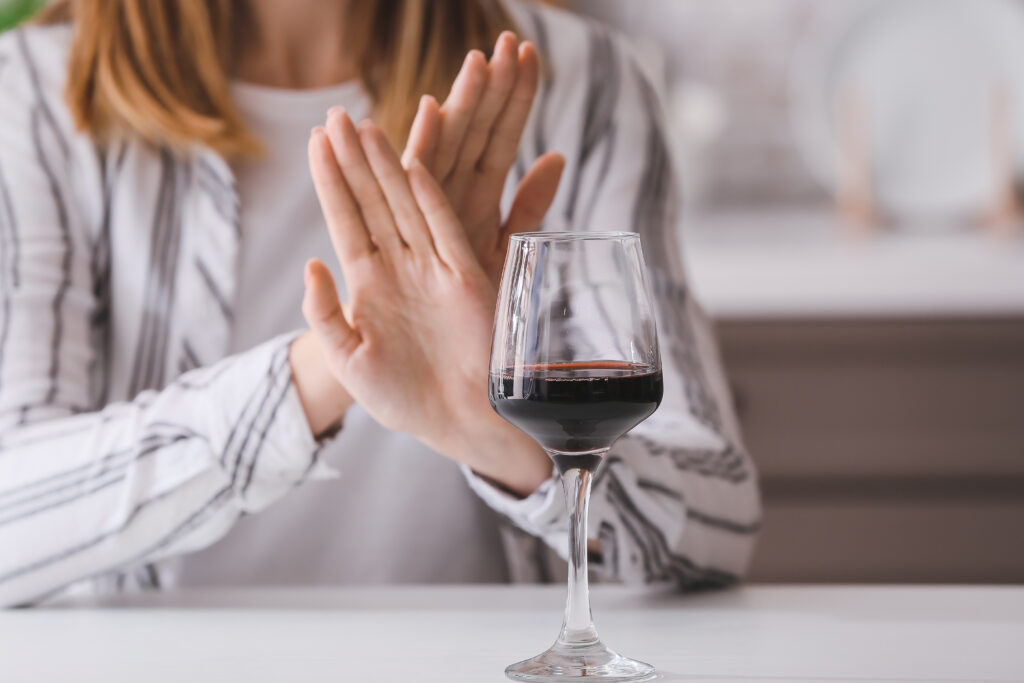
Why Can Alcohol Use Become Harder to Control Over Time?
Alcohol can become harder to control because the brain, body, and emotional routines adapt to repeated use. What begins as occasional relief can slowly become a coping pattern.
At first, alcohol may seem to help with stress, anxiety, grief, social pressure, or sleep. Over time, the relief may become shorter, and the discomfort between drinks may become stronger.
This can create a difficult cycle. You drink to feel better, then feel anxious, low, restless, or physically uncomfortable later, then drink again to soften those feelings.
This pattern is not a character flaw. It is a sign that your mind and body may need a safer way to reset, especially if alcohol is tied to anxiety, depression, trauma, burnout, or chronic stress.
When Should You Get Help for Drinking?
You should consider getting help when alcohol starts affecting your choices, relationships, health, or peace of mind. If you keep wondering, “Am I an alcoholic?”, that question may be a sign that part of you already knows drinking has become harder to control.
It may be time to reach out if:
- You have tried to stop or cut back, but could not
- Loved ones have expressed concern
- You feel anxious, irritable, or unsettled without alcohol
- You drink to get through stress, sleep, social events, or emotional pain
- Drinking is affecting your health, work, or relationships
- You hide, minimize, or rationalize your drinking
- You experience withdrawal symptoms when alcohol wears off
Withdrawal symptoms should be taken seriously. Shaking, sweating, nausea, racing heart, insomnia, severe anxiety, confusion, hallucinations, or seizures may mean that stopping suddenly is not safe without medical guidance.
What Should You Know Before You Stop Drinking?
Before you stop drinking, it is important to know that alcohol withdrawal can be medically serious for people who have been drinking heavily or consistently. Quitting suddenly may not be safe if your body has become dependent on alcohol.
Some people can reduce drinking with outpatient support, therapy, or guidance from a trusted medical provider. Others need medically supervised detox to help manage withdrawal symptoms more safely and comfortably.

Medical support may be especially important if you:
- Drink daily or heavily
- Feel physically sick when you do not drink
- Wake up anxious, shaky, sweaty, or nauseous
- Have had blackouts
- Have mixed alcohol with other substances
- Have a history of seizures or severe withdrawal
- Feel unable to get through the day without drinking
A supported detox process can create a safer beginning. From there, residential treatment can help you understand the deeper patterns behind alcohol use and begin recovery with more structure and care.
How Monterey Bay Recovery Can Help With Alcohol and Drug Addiction
We offer private, personalized care for individuals who are ready to address alcohol and drug addiction in a serene, restorative setting. Our approach is designed for people who need more than a quick pause from drinking.
In our luxurious six-bed environment, clients receive focused attention and individualized support. Care may include medically supported detox, residential treatment, individual therapy, dual diagnosis support, and holistic experiences that help reconnect the body, mind, and emotions.
The setting matters. Surrounded by the natural beauty of the Monterey Bay area, our resort-style environment is intentionally calm. For many people, stepping away from daily pressure and familiar triggers creates the space needed to breathe, reflect, and begin again.
Don’t wait until life feels unmanageable. A confidential conversation can help you decide what kind of support best fits your needs, health, and future.
FAQs About Drinking and When to Get Help
If I keep asking, "Am I an alcoholic?", does that mean I have a problem?
Not necessarily, but the question is worth taking seriously. People who are drinking without concern rarely stop to wonder about it. If you keep asking, “Am I an alcoholic?”, it often means some part of you has already noticed that alcohol has become harder to control or is affecting your life in ways you would rather it didn’t.
Is there a difference between being an alcoholic and having alcohol use disorder?
Not really, though the language matters. “Alcoholic” is an older, more personal term, while alcohol use disorder is the clinical diagnosis doctors use to describe a medical condition that ranges from mild to severe. The shift in wording moves the focus away from labeling who you are and toward understanding how alcohol is affecting your health and daily life.
Can I have a drinking problem if I only drink on weekends?
Yes. A drinking problem is defined by the pattern and impact of drinking, not the schedule. If weekend drinking regularly involves more than you intended, difficulty stopping once you start, or consequences that carry into the rest of your week, the timing does not make it less significant.
Does quitting alcohol on my own carry any risk?
For some people, yes. If you drink daily or heavily, stopping suddenly can trigger withdrawal symptoms that range from uncomfortable to dangerous, including shaking, severe anxiety, confusion, or seizures. If your body has become physically dependent on alcohol, it is safer to stop with medical guidance rather than alone.
How do I know if I need detox or just need to cut back?
It often comes down to whether your body reacts physically when you stop. People who feel sick, shaky, sweaty, or anxious without alcohol, or who cannot get through the day without it, usually benefit from medically supervised support. Those without physical dependence may be able to reduce drinking with therapy or guidance from a trusted provider, though it helps to discuss your situation with a medical professional first.
What if I am still functioning fine but quietly worried about my drinking?
That worry is worth paying attention to. Many people maintain careers, families, and a composed outward life while privately struggling with alcohol. Functioning well does not mean alcohol is not taking a toll, and reaching out earlier often gives you more privacy and more options.
Contact Us
Discover a transformative recovery experience, blending holistic and traditional modalities with a beautiful natural environment, and setting a foundation for lifelong healing.
"*" indicates required fields