
Acamprosate Side Effects: What You Should Know
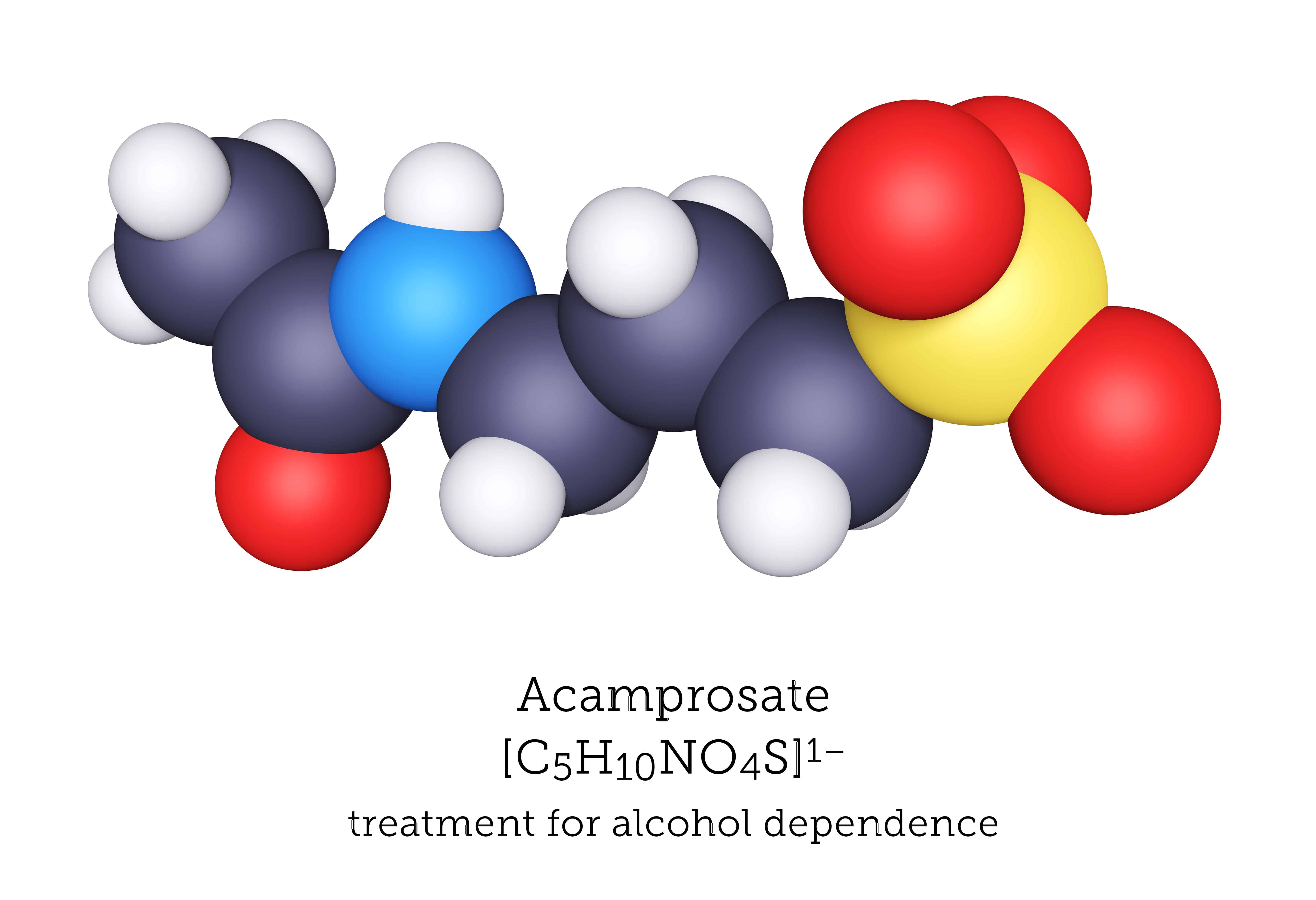
Acamprosate, commonly known by the brand name Campral, is a prescription medication that supports individuals in recovery from alcohol use disorder. By helping to restore balance to brain chemistry disrupted by long-term alcohol use, it can reduce cravings and make sobriety more sustainable.
Like any medication, though, understanding potential acamprosate side effects and how to manage them safely is an important part of a successful recovery journey.
What Is Acamprosate, and How Does It Help with Alcohol Addiction?
Acamprosate is an FDA-approved medication for alcohol dependence. Sometimes called Campral or acamprosate calcium, it helps individuals who have already stopped drinking maintain abstinence by stabilizing neurotransmitters in the brain.
Unlike disulfiram (Antabuse), which causes unpleasant reactions when alcohol is consumed, Acamprosate helps reduce the urge to drink by restoring chemical balance. It is non-addictive and generally safe when used under medical supervision.
Common Acamprosate Side Effects During Recovery
Most people tolerate acamprosate well, but mild to moderate side effects can occur, especially in the first few weeks of use. The most frequently reported side effects include:
- Digestive symptoms: diarrhea, nausea, or upset stomach
- Changes in appetite: reduced hunger or altered eating patterns
- Sleep disturbances: difficulty falling or staying asleep
- Mood symptoms: feeling sad, mild anxiety, irritability, or restlessness
- Fatigue: Tiredness or loss of interest or pleasure
These effects often fade as the body adjusts. However, persistent symptoms should always be discussed with a healthcare professional.
Serious Acamprosate Side Effects and When to Seek Medical Help
While uncommon, acamprosate serious side effects can occur. Contact your doctor or seek emergency help immediately if you notice:
- Allergic reactions, such as rash, itching, swelling, or difficulty breathing
- Severe mood changes, including depression or thoughts of self-harm
- Chest pain or irregular heartbeat
- Burning, tingling, or numbness in the hands, feet, arms, or legs
These symptoms are rare but require urgent medical evaluation. Never stop or alter your dosage without consulting your provider.
How Acamprosate Works in Alcohol Recovery Treatment
While acamprosate doesn’t eliminate cravings entirely, it helps the brain heal from long-term alcohol exposure. By restoring normal neurotransmitter activity, it reduces emotional distress and withdrawal-related anxiety that can lead to relapse.
It is most effective when combined with behavioral therapy, counseling, and structured support—all of which are available at Monterey Bay Recovery. Medication alone isn’t a cure but an important tool within a comprehensive recovery plan.
Tips for Managing Acamprosate Side Effects Safely

You can minimize the side effects of acamprosate calcium and improve treatment success by following a few key guidelines:
- Follow prescribed dosage: Take acamprosate exactly as directed by your doctor.
- Stay hydrated: Drinking plenty of water can help reduce digestive symptoms.
- Eat balanced meals: Proper nutrition supports your body’s adjustment to medication.
- Track your symptoms: Keep a journal to share accurate feedback with your care team.
- Avoid alcohol: Combining acamprosate with alcohol reduces its effectiveness.
Open communication with your provider helps ensure the safest and most effective treatment outcome.
Acamprosate Warnings, Interactions, and Precautions
Acamprosate isn’t suitable for everyone. People with severe kidney disease or certain medical conditions should avoid it. Always inform your healthcare provider about any:
- Other prescription or over-the-counter medications
- Herbal supplements or vitamins
- Existing health conditions, including mental health disorders
Women who are pregnant or breastfeeding should discuss potential risks with their doctor before starting treatment. Medical supervision is essential for safe use.
Why Professional Support Matters During Acamprosate Treatment
Medication-assisted treatment (MAT) works best when combined with professional therapy and supportive recovery programs.
At Monterey Bay Recovery, our compassionate team provides comprehensive alcohol recovery programs that may include:
- Medical detox and stabilization
- Individual and group therapy
- Relapse prevention planning
- Holistic treatments for stress and anxiety
Our goal is to help you build confidence, restore balance, and sustain long-term recovery.
When to Consider Acamprosate as a Treatment Option
If you or someone you love is struggling to stay sober after detox, acamprosate may be an appropriate next step. Speak with a medical professional to evaluate whether this medication can support your recovery goals.
Remember, relapse is not failure—it’s part of the journey for many people. The right treatment plan, combined with the support and education that an alcohol rehab offers, can make sobriety more sustainable.
Take the Next Step Toward Recovery
Understanding acamprosate side effects is only one part of lasting recovery. If you’re ready to take control of your life and find support that goes beyond medication, Monterey Bay Recovery is here to help.
Call us today or reach out online to speak with our team and start your path toward lasting sobriety.
Contact Us
Discover a transformative recovery experience, blending holistic and traditional modalities with a beautiful natural environment, and setting a foundation for lifelong healing.
"*" indicates required fields
FAQs About Acamprosate Side Effects
Does acamprosate cause weight gain or weight loss?
Weight changes aren’t among the most common side effects of acamprosate, but some people may notice slight changes in appetite that lead to minor weight loss. Maintaining a balanced diet and staying active can help stabilize your weight during treatment.
Can acamprosate make depression or anxiety worse?
In rare cases, acamprosate may contribute to mood changes such as increased anxiety or depression. If you notice a significant shift in your emotions or thoughts of self-harm, contact your doctor immediately. These reactions are uncommon but should always be taken seriously.
How long do acamprosate side effects usually last?
Most mild side effects—like nausea, fatigue, or insomnia—tend to fade after the first few weeks as your body adjusts to the medication. If symptoms persist or worsen, your provider may adjust your dosage or explore alternative options.
Is it safe to drive while taking acamprosate?
Some people may experience dizziness or drowsiness when starting acamprosate. Until you know how the medication affects you, avoid driving or operating heavy machinery. Always discuss any safety concerns with your healthcare provider.
What happens if I drink alcohol while taking acamprosate?
Drinking while taking acamprosate is not recommended, as it can interfere with the medication’s effectiveness in treating alcohol use disorder. While acamprosate side effects with alcohol are generally not dangerous on their own, drinking defeats the purpose of treatment and may increase cravings or relapse risk.
Can acamprosate interact with vitamins or over-the-counter medications?
Acamprosate generally has few drug interactions, but it’s still important to tell your doctor about all supplements, herbal remedies, and over-the-counter medicines you take. This ensures your treatment remains safe and effective.
What should I do if I miss a dose of acamprosate?
If you forget a dose, take it as soon as you remember—unless it’s almost time for your next scheduled dose. Never double up to make up for a missed one. Keeping a consistent schedule helps maintain stable levels of the medication in your system.
Does acamprosate affect sleep quality?
Some individuals report vivid dreams or difficulty falling asleep when first starting acamprosate. These effects usually improve with time. Practicing good sleep hygiene—like limiting caffeine and maintaining a consistent bedtime—can also help.