
Acamprosate vs. Naltrexone: Which Medication Works Best?
Alcohol Use Disorder (AUD) can be challenging to overcome, but medications like acamprosate and naltrexone offer real support for people working toward recovery. Both medications are FDA-approved and commonly recommended by treatment providers, yet they work in different ways and are used for different stages of sobriety. Understanding the differences between acamprosate vs naltrexone can help you make an informed decision about your treatment options. This guide breaks down the key differences between acamprosate and naltrexone, how they work, who they may benefit, possible side effects, and how professional support, such as the care offered at Monterey Bay Recovery, can strengthen your path toward long-term healing.
Acamprosate vs. Naltrexone: Understanding Alcohol Use Disorder Treatment Options
Alcohol Use Disorder (AUD) affects millions of people, and choosing the right treatment can feel overwhelming. Medications like acamprosate and naltrexone are often recommended to help reduce cravings, support sobriety, and prevent relapse. While both medications are FDA-approved for AUD, they work in different ways and offer unique benefits depending on a person’s history, goals, and overall health.
This guide explains how naltrexone and acamprosate work, the side effects, who they may help most, and how supportive care (like the programs at Monterey Bay Recovery) can make treatment more effective.
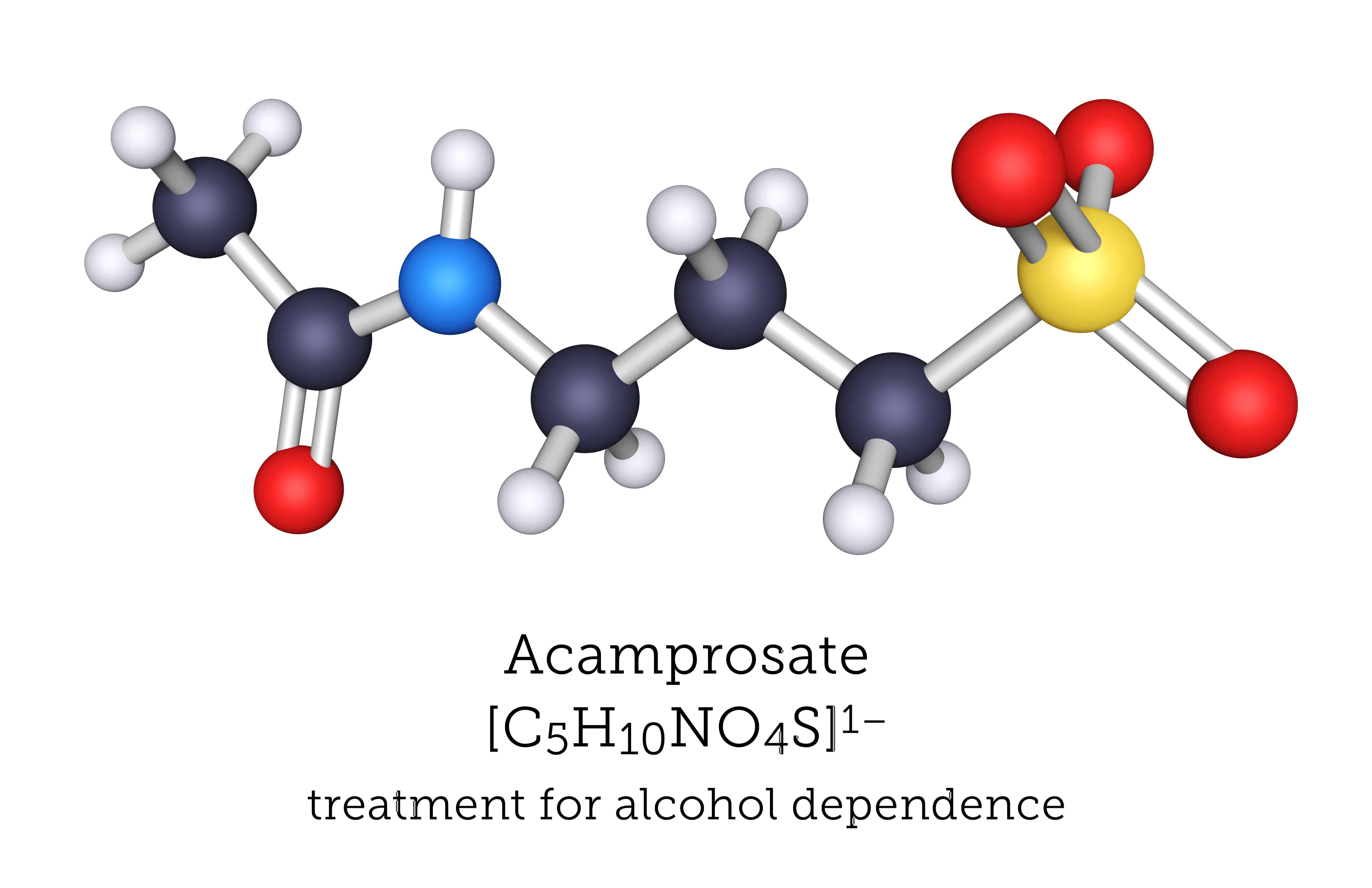
What Is Acamprosate?
Acamprosate (brand name Campral) is a medication used to help people stay alcohol-free after detox. It does not reduce withdrawal symptoms during detox. Instead, acamprosate helps the brain repair the chemical imbalance caused by long-term drinking.
How Acamprosate Works
Alcohol disrupts the balance between calming and stimulating chemicals in the brain. Over time, the brain adjusts to heavy drinking, making it difficult to function without alcohol. Acamprosate helps restore this balance, reducing post-acute withdrawal symptoms such as:
- Anxiety
- Irritability
- Sleep problems
- Cravings
- Emotional discomfort
Who May Benefit Most From Acamprosate
Acamprosate may be a good choice for people who:
- Have already stopped drinking
- Want to maintain long-term abstinence
- Experience strong emotional or physical discomfort after quitting
- Cannot take medications that interact with the liver
Because acamprosate is processed through the kidneys (not the liver) it is often recommended for individuals with liver concerns.
What Is Naltrexone?
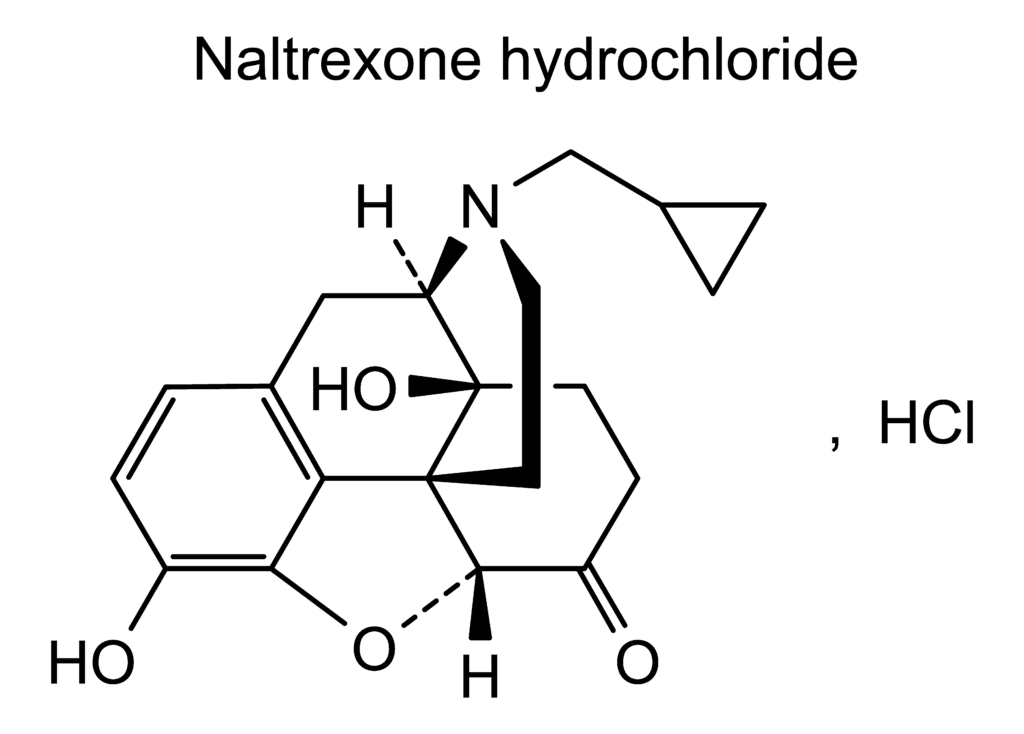
Naltrexone (brand names Revia, Vivitrol) is another FDA-approved medication for AUD. Unlike acamprosate, it works by blocking the pleasurable effects of alcohol.
How Naltrexone Works
Naltrexone attaches to opioid receptors in the brain. When a person drinks, alcohol can trigger these receptors and release feel-good chemicals. Naltrexone blocks this response, reducing the “reward” someone might feel from drinking.
This helps people:
- Reduce heavy drinking episodes
- Drink less overall
- Experience fewer cravings
- Break the cycle of alcohol reinforcement
Who May Benefit Most From Naltrexone
Naltrexone may be ideal for individuals who:
- Want to reduce heavy drinking, even if they are not yet fully abstinent
- Experience strong cravings triggered by stress or social settings
- Have not had success with abstinence-only approaches
- Do not have liver problems or opioid use in their system
Naltrexone can be started while someone is still drinking, which makes it a flexible option.
Key Differences Between Acamprosate and Naltrexone
To fully understand the scope of these drugs, here is a summary of the key differences between naltrexone vs acamprosate.
1. Purpose and Goals
- Acamprosate: Helps maintain abstinence after detox.
- Naltrexone: Reduces cravings and drinking behaviors, even before complete abstinence.
2. How They Affect the Brain
- Acamprosate: Restores chemical balance disrupted by long-term alcohol use.
- Naltrexone: Blocks the pleasure associated with alcohol consumption.
3. When They Are Taken
- Acamprosate: Most effective when someone is already sober.
- Naltrexone: Can be started while still drinking and supports harm reduction.
4. Best Use Cases
- Acamprosate: For people committed to total abstinence who experience post-acute withdrawal symptoms.
- Naltrexone: For individuals who struggle to reduce drinking or who relapse due to cravings.
Acamprosate vs Naltrexone: Side Effects
Side Effects of Acamprosate
Most people tolerate acamprosate well. Common side effects include:
- Diarrhea
- Nausea
- Stomach cramps
- Anxiety
- Tingling sensations in the arms or legs
Severe side effects are rare but possible, especially for individuals with kidney issues.
Side Effects of Naltrexone
Naltrexone’s side effects may include:
- Nausea or vomiting
- Fatigue
- Headaches
- Trouble sleeping
- Muscle or joint pain
People with liver disease or who take opioids should not use naltrexone.
Acamprosate vs. Naltrexone: Which Medication Is Better?
There is no single “best” medication for AUD. The right choice between using acamprosate or naltrexone depends on your goals and your health:
Acamprosate May Be Better If:
- Your main goal is full abstinence
- You have completed detox
- You struggle with emotional or physical discomfort after quitting
- You have liver concerns
Naltrexone May Be Better If:
- You have cravings that lead to relapse
- You want to cut down drinking before stopping completely
- You respond strongly to alcohol’s pleasurable effects
- You have no liver or opioid-related medical restrictions
A medical provider can help determine which medication is safest and most effective for your individual needs.
Can You Take Acamprosate and Naltrexone Together?
In some cases, yes. Providers may prescribe both medications to target different aspects of AUD:
- Naltrexone reduces cravings and drinking reinforcement
- Acamprosate supports long-term chemical balance and emotional stability
However, combination treatment should always be supervised by a trained medical professional.
Acamprosate vs. Naltrexone: How Therapy and Support Improve Medication Outcomes
Medication-assisted alcohol detox and rehab work best when combined with:
- Individual therapy
- Group therapy
- Cognitive Behavioral Therapy (CBT)
- Family counseling
- Peer support groups
- A structured treatment program
These approaches help people address the emotional, behavioral, and environmental factors that contribute to addiction.
How Monterey Bay Recovery Supports Individuals Using Acamprosate or Naltrexone
Monterey Bay Recovery is a luxury recovery center that provides a compassionate environment where individuals using acamprosate or naltrexone can continue healing with the support of experienced professionals.
Our team helps clients determine whether medication-assisted treatment is appropriate, coordinates care with medical providers, and offers ongoing therapy to strengthen coping skills and reduce the risk of relapse.
We create individualized alcohol rehab treatment plans that combine evidence-based practices, emotional support, and structured guidance, giving each person a safe place to rebuild their life and work toward long-term sobriety.
If you’re ready to take the next step toward recovery, contact Monterey Bay Recovery today and let our team help you start a healthier, more hopeful chapter in your life.

Getting Help Today
If you or a loved one is considering acamprosate vs naltrexone for alcohol use disorder, you don’t have to face the process alone. Monterey Bay Recovery provides compassionate care, evidence-based support, and a dedicated team to help you build a healthier, more hopeful future.
Reach out today to learn more about how we can support your recovery journey.
Contact Us
Discover a transformative recovery experience, blending holistic and traditional modalities with a beautiful natural environment, and setting a foundation for lifelong healing.
"*" indicates required fields
FAQs About Acamprosate vs. Naltrexone
Do acamprosate or naltrexone work faster for reducing alcohol cravings?
Naltrexone typically works faster because it can reduce cravings and the rewarding effects of alcohol soon after starting treatment. Acamprosate may take several weeks to show full benefits, as it supports long-term brain stabilization.
Can I switch from naltrexone to acamprosate if one doesn’t work for me?
Yes. Many people may find one medication works better than another when comparing acamprosate vs naltrexone, and may switch drugs for optimal outcomes. A medical provider can help determine the safest way to transition between medications without interrupting progress.
Are there differences in how often acamprosate and naltrexone must be taken?
Yes. Acamprosate usually requires three doses per day, while oral naltrexone is taken once daily. There is also a monthly injectable form of naltrexone (Vivitrol), which some people prefer for convenience.
Will acamprosate or naltrexone help with anxiety related to early recovery?
Acamprosate may help reduce anxiety that appears after quitting alcohol, while naltrexone is not designed to treat anxiety. However, neither medication is a replacement for therapy or mental health treatment.
Is one medication better for people with co-occurring mental health disorders?
It depends on the individual. Acamprosate may be more suitable for those with mood instability after detox, while naltrexone may work better for people who struggle with impulsive drinking. A clinician can help tailor treatment to both conditions.
Can acamprosate or naltrexone be used long-term?
Yes. Both medications can be used for extended periods when recommended by a healthcare provider. Long-term use may help reduce relapse risk and support ongoing recovery.
Are these medications safe for older adults?
Both can be safe, but dose adjustments may be needed. Older adults should be evaluated for liver or kidney concerns, which may impact whether acamprosate or naltrexone is the safer choice.
Do acamprosate or naltrexone interact with antidepressants or anxiety medications?
Acamprosate has few known interactions and is generally safe alongside antidepressants. Naltrexone may interact with some medications, so a medical provider should review all prescriptions before starting treatment.
Can I take acamprosate or naltrexone if I am still attending social events where alcohol is present?
Naltrexone may be helpful in these situations because it reduces the rewarding effects of alcohol. Acamprosate is more effective for people committed to complete abstinence, regardless of social settings.