
Can I Refuse a Random Drug Test at Work?
Random drug testing at work can feel invasive, especially if you are struggling privately or unsure about your rights. Many people ask, “Can I refuse a random drug test at work?” and wonder what would happen if they were to refuse. The truth is, while you technically can refuse a drug test, the consequences often depend on your employer’s policy, the industry you work in, and whether your job involves safety-sensitive duties.
In this blog, we will explain when drug testing is permitted, outline your options, and discuss considerations if you decide to say no.
Understanding Your Employer’s Drug Testing Policy
Most companies that conduct random drug tests have clear policies outlined in their employee handbooks or during the onboarding process. By accepting the job, you may have already agreed to comply with testing as part of your employment. Refusing to take a test may be treated the same as failing one, even if you have not used any substances.
Some industries, including transportation, healthcare, and government, are subject to federal or state drug testing laws. In these fields, random testing is not just a company choice—it is often a legal requirement.
Can I Refuse a Random Drug Test at Work Without Losing My Job
Yes, you can refuse, but there may be consequences. Employers are generally permitted to enforce drug testing policies that include disciplinary action or termination if an employee refuses to participate. In some professions, refusal can also result in the loss of a license or certification, particularly when safety or public trust is at stake.
If you believe a test is being requested unfairly or outside of policy, you can speak to Human Resources or consult an employment attorney. As we address the question, “Can I refuse a random drug test at work?” please note that while refusal is within your rights, it does not guarantee protection from job-related consequences.
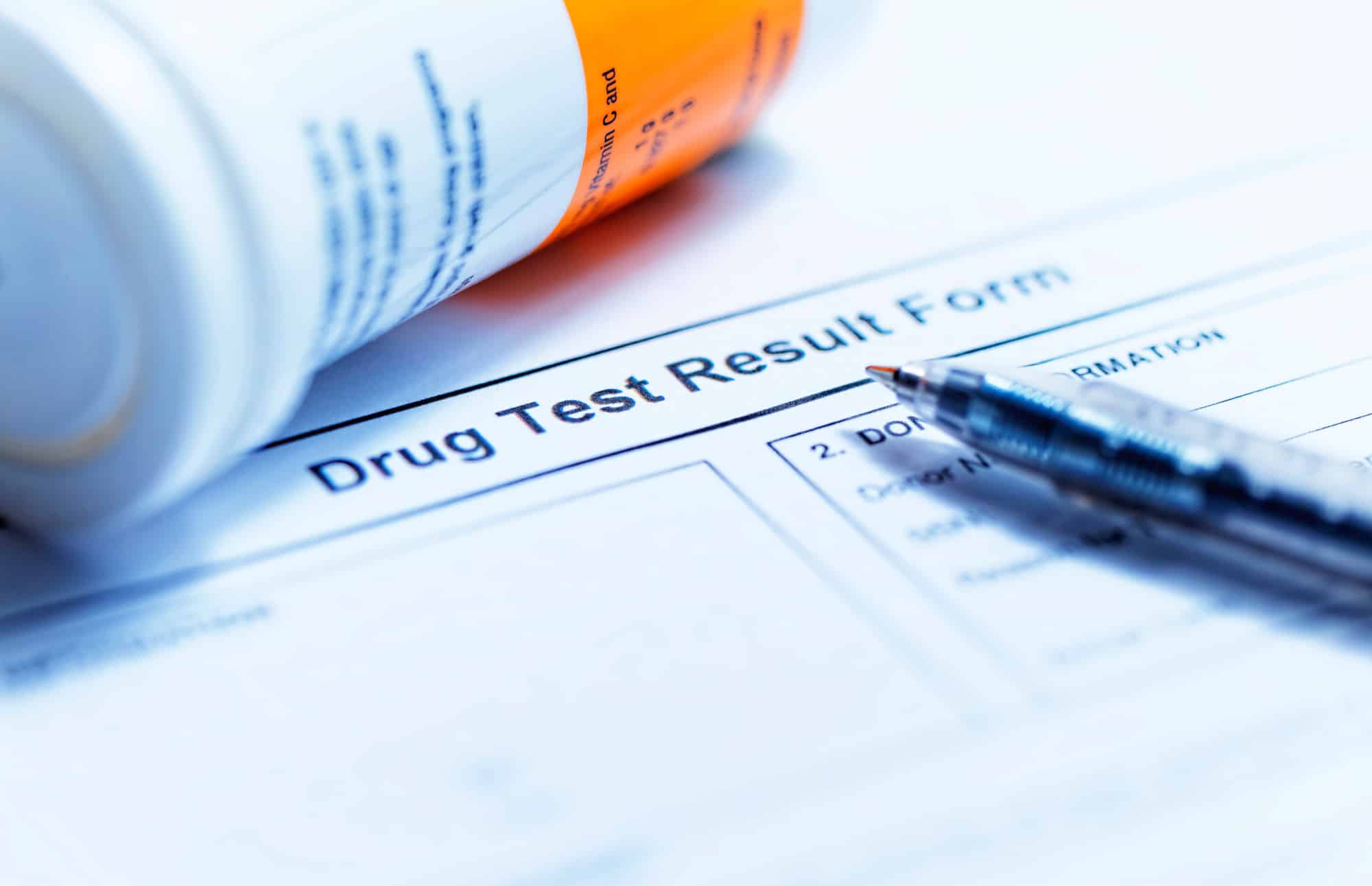
What Happens If You Refuse a Drug Test at Work
In most cases, refusing a random drug test results in disciplinary action that is equivalent to a positive test result. This could include:
- Suspension or termination of employment.
- Revocation of workplace benefits or clearance.
- Being disqualified from certain job duties or promotions.
Some employers may offer employees the opportunity to enter a treatment program. Some recovery programs may include rehabilitative solutions such as medically assisted therapy, talk therapy, sober living homes, group therapy, and many other types of treatment. Taking that step can show accountability and a willingness to address the problem before it escalates.
Are Employers Required to Give Notice Before a Random Drug Test
Some companies conduct truly random tests with no advance notice, while others provide notice in accordance with their internal policies. In most cases, employers are not required to give advance notice for random drug testing if the employee has already agreed to testing as part of employment.
In California, private employers generally have broad discretion to conduct random drug testing. Public employees may have additional protections, especially in unionized roles or government positions. If you are unsure whether a test is being conducted fairly, review your employee agreement or speak with HR.
What to Do If You Are Struggling with Substance Use at Work
If you are using substances to get through the day, manage stress, or cope with pressure, you are not alone. Many professionals feel stuck in a cycle where they appear to be performing on the surface but are struggling privately. The fear of being exposed or losing your job can make it even harder to ask for help. Refusing a drug test may feel like a way to avoid consequences, but it often leads to more stress and uncertainty.
Seeking support is not an admission of failure. It is a step toward regaining control of your life before things get worse. A recovery center like Monterey Bay specializes in treating co-occurring disorders and substance use disorders. We also provide vital therapies that can help you regain control over your work and personal life.

Monterey Bay Recovery Supports Working Professionals in Recovery
Monterey Bay Recovery understands the pressure that working professionals face when substance use starts interfering with daily life. Our luxury residential program offers private, personalized treatment in a calm and confidential setting. Whether you are struggling with alcohol, prescription drugs, or other substances, we provide evidence-based care that helps you reset without judgment and return to work with clarity, stability, and support.
Contact Us
Discover a transformative recovery experience, blending holistic and traditional modalities with a beautiful natural environment, and setting a foundation for lifelong healing.
"*" indicates required fields
FAQs About Random Drug Testing at Work
Can I refuse a random drug test at work and keep my job?
You can refuse, but your employer may treat it the same as a failed test. In most cases, refusal can result in suspension or termination, especially if your job is safety-sensitive or governed by federal regulations or laws related to testing.
What rights do I have if I believe a drug test is unfair or discriminatory?
If you think the test was targeted unfairly or violates company policy, you may have grounds to file a complaint. Speaking with HR or an employment attorney can help you understand your options before you refuse the test.
Do all employers in California have the right to conduct random drug tests?
Not all. In California, private employers have more flexibility, while public employees may be protected by stricter rules. Random testing is more common in regulated industries such as healthcare, transportation, and government.
Can I be fired if I fail a drug test because of a prescription medication?
If the medication is legally prescribed and used as directed, employers generally cannot fire you for that reason alone. However, if the drug affects your ability to perform your job safely, they may have cause for concern.
What if I am not ready to take a drug test because I know I will fail?
If you are struggling and still asking, “Can I refuse a random drug test at work?” seeking help before a test can make a big difference. Some employers may be willing to support treatment if you show initiative. Getting ahead of the issue may protect both your health and your job.