
How Long Does Disulfiram (Antabuse) Stay in Your System?
Disulfiram (Antabuse) is a medication often prescribed to support recovery from alcohol use disorder. It works as a deterrent in that it causes unsavory physical reactions when alcohol is consumed while taking the medication. But how long does disulfiram stay in your system? Because it creates a strong reaction when alcohol is consumed, many people understandably want to know how long its effects last. If you need clarity about this drug and its longevity in the body, keep reading for clarity and safety suggestions.
How Long Does Disulfiram Stay in Your System?
Because disulfiram is known for its long-lasting effects, many people ask, how long does antabuse stay in your system even after you stop taking it. While the medication itself leaves the bloodstream fairly quickly, its effects on the body last much longer.
For most people, disulfiram remains active in the body for 7 to 14 days after the last dose. This means that if you drink alcohol anytime in that window, you may still experience uncomfortable and sometimes dangerous reactions.
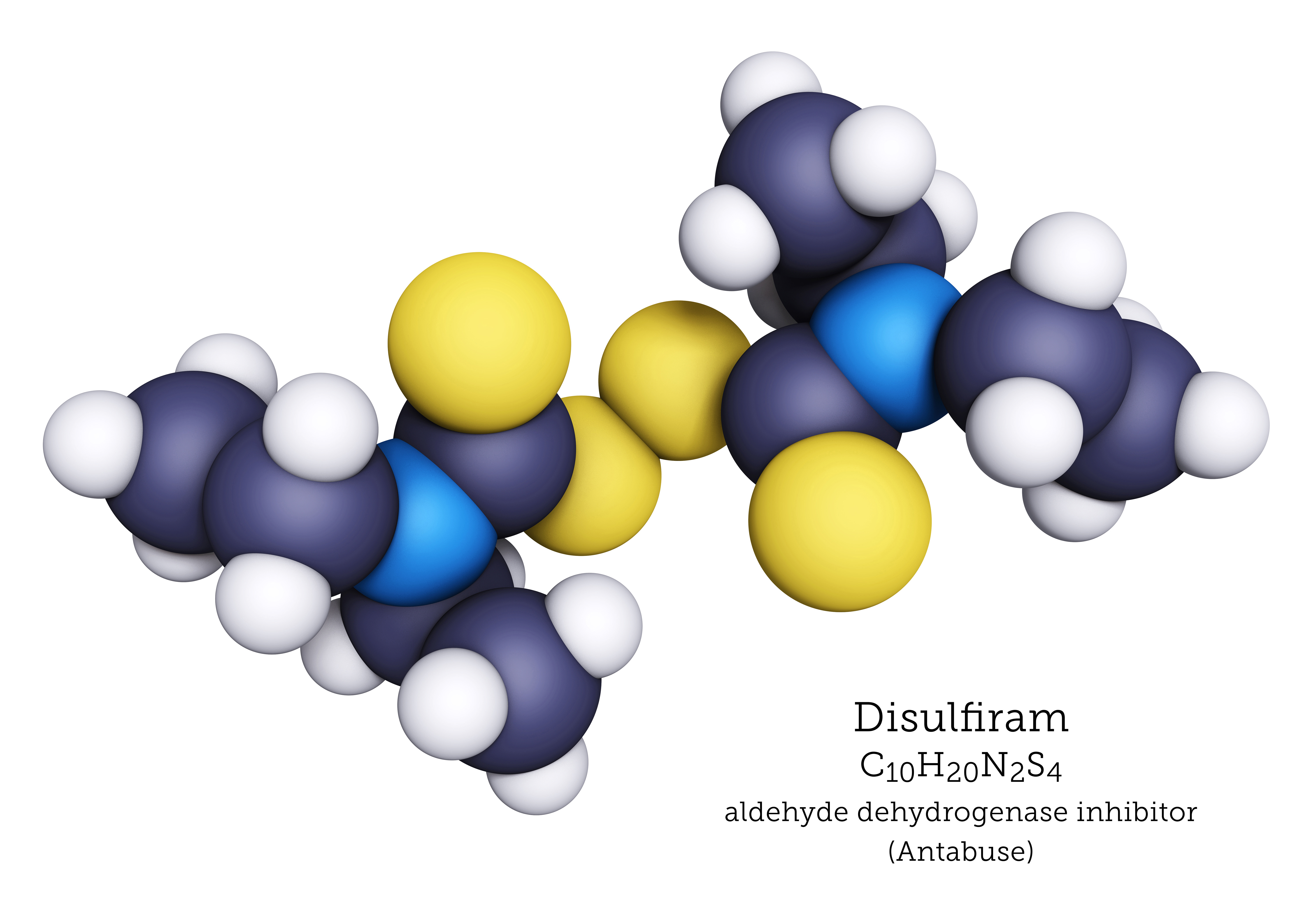
How Disulfiram Breaks Down in the Body
Once taken, disulfiram is absorbed and broken down into several metabolites. These metabolites attach to liver enzymes that help process alcohol. Because they stay attached for days at a time, the body remains sensitive to alcohol long after the medication itself is gone.
Why Disulfiram’s Effects Last Longer Than the Medication
Even if the drug is no longer in your bloodstream, the enzyme disruption continues. This is why the alcohol reaction effect can last two weeks or more.
How Long Does Disulfiram Stay in Different Body Systems?
In conclusively answering the question, how long does antabuse stay in the system, it’s important to know that this drug does not remain in every part of the body for the same amount of time. Understanding these differences can help you avoid accidental exposure to alcohol. Let’s break it down:
How Long Disulfiram Stays in the Blood
Disulfiram’s presence in the blood usually decreases within a few days, but you may still be highly sensitive to alcohol because the metabolites remain active.
How Long Disulfiram Stays in the Liver
Disulfiram affects liver enzymes directly. These effects can continue for up to 14 days, making the liver the primary source of the extended reaction window.
How Long Disulfiram Stays in Urine
Metabolites may be detectable in urine for several days, but routine drug tests do not check for this medication.
Factors That Affect How Long Disulfiram Stays in Your Body

The question “How long does disulfiram last in your system?” varies from person to person because not everyone clears disulfiram at the same rate. Several factors influence how long its effects last:
- Liver health
- Metabolic speed
- Age
- Hydration and nutrition
- Length of time you have been taking disulfiram
- Daily dosage
Individuals with slowed liver function or long-term use may experience extended sensitivity to alcohol. It’s important to understand these factors and how they can impact symptoms. For instance, estimates for how long 250 mg of antabuse stays in your system will be different for someone who is taking a different dose or has other physical factors that may influence their experience.
When Is It Safe to Drink Alcohol After Disulfiram?
If you’re wondering how long disulfiram stays in your system to determine how it may impact your body, the average wait time is about two weeks. In fact, most healthcare providers recommend avoiding alcohol for at least 14 days after your last dose of disulfiram. Drinking too soon can lead to:
- Nausea
- Vomiting
- Flushing
- Chest pain
- Headache
- Rapid heartbeat
- Low blood pressure
Even small amounts of alcohol from products such as mouthwash, sauces, vinegar, hand sanitizers, or cough syrups can trigger a reaction.
How Long Can the Disulfiram Reaction Last in Your System?
If you accidentally drink alcohol while the medication is still active, symptoms may appear quickly and can last from 30 minutes to several hours. In severe cases, medical attention may be needed.
Why Understanding the Timeline Matters
Having the answer to the question, how long does disulfiram stay in your system can help you:
- Avoid accidental alcohol exposure
- Understand your treatment plan
- Know what to expect with medication timing
- Reduce the risk of a dangerous reaction
- Build confidence in your recovery process
Being informed allows you to use the medication safely and effectively.
How Monterey Bay Recovery Supports Individuals Taking Disulfiram
At Monterey Bay Recovery, we provide support for individuals who are taking disulfiram and adjusting to early sobriety. Our clinical team helps you understand how the medication works in your body, monitors your well-being as it remains active in your system, and offers evidence-based alcohol rehab therapy to help you manage triggers and stay safe. We also work with you on personalized recovery planning so you feel supported, informed, and confident as you continue your treatment. If you’re ready for guidance and a caring place to heal, reach out to us today. We’re here to help you take the next step toward lasting recovery.

Final Thoughts on How Long Disulfiram (Antabuse) Stays in Your System
Disulfiram can remain active in the body for 7 to 14 days after the last dose, which is longer than many people expect. Knowing this timeline helps you avoid accidental alcohol exposure and better understand how the medication supports recovery. Its lasting effects come from how it interacts with liver enzymes, which continue to slow alcohol processing even after the drug itself is gone.
If you are using disulfiram as part of your alcohol detox treatment plan, remember that support is an important part of staying safe and sober. Monterey Bay Recovery provides compassionate care, medical guidance, and structured treatment programs to help you navigate recovery with confidence. If you ever have questions like how long does disulfiram stay in your system, reach out to us today. Our team is here to answer your questions, help you manage medications, build healthier habits, and stay committed to your long-term goals. You never have to face recovery alone. Professional support is always within reach.
Contact Us
Discover a transformative recovery experience, blending holistic and traditional modalities with a beautiful natural environment, and setting a foundation for lifelong healing.
"*" indicates required fields
FAQs: How Long Does Disulfiram (Antabuse) Stay in Your System?
Can disulfiram stay in your system longer if you’ve been taking it for years?
Yes. Long-term or high-dose use may cause disulfiram’s effects to last toward the higher end of the 14-day window. The medication does not “build up” indefinitely, but long-term use can slightly extend how long alcohol sensitivity lasts.
Does disulfiram leave the body faster if you drink more water?
Staying hydrated supports overall health but does not significantly accelerate the elimination of disulfiram or its metabolites from the body. The medication is primarily cleared by the liver, so hydration has minimal impact on its duration.
Can exercise help disulfiram clear from your system more quickly?
Exercise can improve metabolism in general, but it does not meaningfully shorten the time disulfiram remains active. The medication’s timeline is based on how slowly the liver restores its enzyme levels, not on physical activity levels.
Do people with faster metabolisms clear disulfiram more quickly?
A faster metabolism may slightly shorten the window, but not enough to change medical advice. Even people with a naturally fast metabolism should still avoid alcohol for up to 14 days.
Can disulfiram stay in your system longer if you have liver problems?
Yes. Because disulfiram directly affects liver enzymes, individuals with reduced liver function may experience longer-lasting effects. Medical supervision is strongly recommended for anyone with known liver issues.
How long does disulfiram stay in your system if you accidentally miss a dose?
Missing one dose may slightly reduce the medication’s intensity, but it does not immediately remove it from your system. The alcohol-sensitivity effect generally continues for several days either way.
Does the form of disulfiram (tablet vs. compounded dose) change how long it stays in your body?
Standard tablets and properly compounded versions work similarly. Because the prolonged effect arises from enzyme binding (not the form), both typically remain active for the same duration.
Can disulfiram be detected on a drug test?
No. Standard drug panels do not test for disulfiram or its metabolites. Even though the medication stays active for days, it is not part of routine screening.
Why does disulfiram stay active so long compared to other medications?
Disulfiram binds to alcohol-processing enzymes and temporarily disables them. The body must create new enzymes to replace the blocked ones, which takes days, sometimes up to two weeks, causing the long-lasting effect.