
How Long Does Fentanyl Stay in Urine?
Quick answer: Fentanyl is typically detectable in urine for about 1 to 3 days after short-term use. With repeated or heavy use, that window can extend to a week or longer, depending on metabolism, dose, hydration, kidney function, and the type of test used. Standard 5-panel drug screens often miss fentanyl, so an expanded panel or a fentanyl-specific test is needed for reliable detection.
If you’re wondering how long fentanyl stays in urine, you might also be concerned about other issues this prescription opioid drug may have on your health and long-term quality of life. Monterey Bay Recovery helps people trying to understand Fentanyl risks, and our recovery program for Fentanyl addiction is a first step in attaining lasting relief from dependency.
What Affects How Long Fentanyl Stays in Urine?
Fentanyl urine test detection time depends on several biological and behavioral factors. Two people with identical use patterns can produce very different results because these factors interact with one another. The most influential include:
- Frequency and duration of use
- Dose and route of administration
- Body composition and weight
- Hydration level
- Liver and kidney function
- Metabolism rate
- Age and overall health
Because of this variability, no online calculator or estimate can reliably predict how long fentanyl stays in urine. Lab-based testing is the only way to get accurate results.
How Long Does Fentanyl Stay in Other Tests?
How long fentanyl stays in urine and in your system depends heavily on which test is used. Each method has its own detection range:
- Blood: A few hours up to about 1 day after use. Useful in emergency or medical settings, but the short window limits broader applications.
- Saliva: Approximately 1 to 4 days. Captures more recent use and is sometimes used in roadside or post-incident testing.
- Urine: About 1 to 3 days for occasional use, longer for heavy or chronic use.
- Hair: Up to 90 days. Hair testing reflects long-term exposure because traces remain in hair follicles as they grow out.
Each test type serves a different purpose. Urine remains the standard for most clinical and workplace contexts because it balances cost, ease of collection, and a useful detection window.
What Drug Test Can Detect Fentanyl?
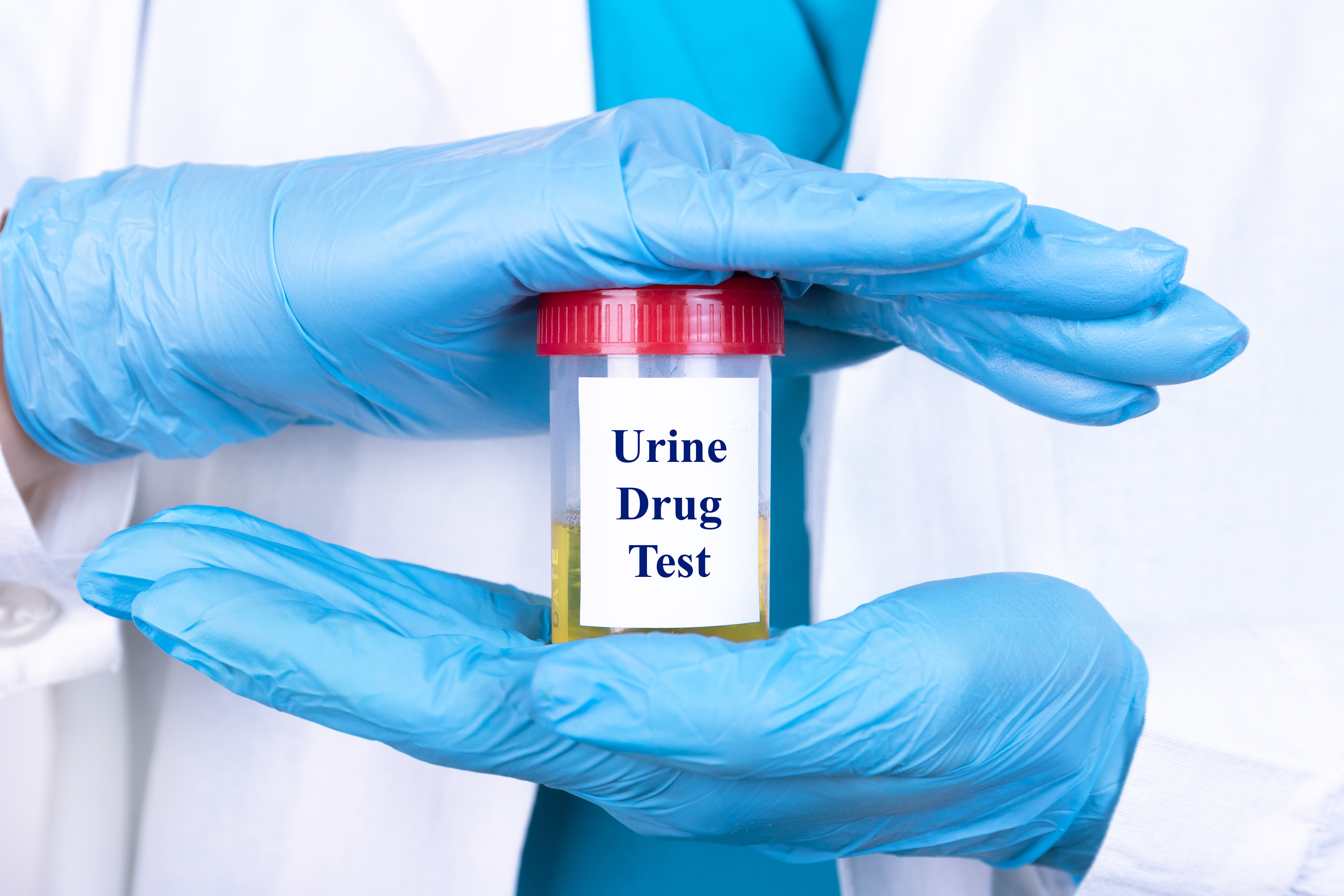
A fentanyl drug test urine screen is the most common method used in treatment, healthcare, and some workplace settings. Many standard drug tests do not detect fentanyl on their own, however. Most basic 5-panel screens check for older opioids like morphine and codeine, but miss synthetic opioids such as fentanyl unless a specific test is included.
Tests commonly used to detect fentanyl include:
- Expanded urine panels, often 10-panel or 12-panel, or with fentanyl-specific add-ons
- Confirmatory laboratory testing, such as GC-MS or LC-MS, for highly accurate results
- Blood testing in clinical and emergency settings
- Saliva or hair testing through specialized laboratories
If you need to know what drug tests can detect Fentanyl, the testing provider or laboratory can confirm what is included in the screen.
What Are the Risks of Fentanyl Use
Regardless of how long Fentanyl stays in your system, this drug is one of the most potent opioids in the clinical and street drug supply, roughly 50 to 100 times stronger than morphine. Even small amounts can cause life-threatening effects, and the danger increases sharply when fentanyl is mixed into other substances without the user’s knowledge.
Common fentanyl risks include:
- Respiratory depression and slowed breathing
- Fentanyl overdose, which can be fatal
- Loss of consciousness
- Physical dependence
- Withdrawal symptoms when use is reduced or stopped
- Anxiety and depression
- Rapidly increasing tolerance
- Strain on relationships, finances, and daily functioning
Repeated use can quickly shift into dependence because fentanyl affects the brain’s reward and pain systems faster and more intensely than older opioids. What starts as occasional use often becomes harder to control than people expect.
When Should You Seek Help for Fentanyl Use?
Fentanyl use becomes worth addressing when it begins affecting health, work, relationships, or peace of mind. Many people delay reaching out because they believe they should be able to manage on their own. With fentanyl, that expectation rarely matches reality.
Common warning signs include:
- Strong cravings between doses
- Fear of stopping
- Using more than intended or planned
- Secrecy around use
- Repeated relapse after attempts to quit
- Financial stress related to obtaining the substance
- Withdrawal symptoms between uses
- A persistent feeling of being stuck
Reaching out is not a final decision. It is a starting point for a conversation that can clarify what options exist and what support is available.
What Does Fentanyl Addiction Treatment in California Look Like?
Recovery from fentanyl dependence usually begins in a structured environment where medical and clinical support are immediately available. Stopping fentanyl without supervision can produce severe withdrawal symptoms and increase the risk of relapse, which is why supervised care is the standard starting point.
Comprehensive fentanyl treatment in California typically includes the following components.
Medically Supervised Detox
The first stage of recovery involves Detox support to manage withdrawal symptoms safely. Clinical oversight provides stability during the most physically demanding phase of treatment.
Residential Treatment
Residential treatment gives clients full-time access to therapy, structure, and peer support away from the environments tied to active use.
Individual therapy
One-on-one sessions help clients explore the emotional, behavioral, and situational factors connected to fentanyl use. Sessions are tailored to each person’s history, goals, and recovery needs.
Dual Diagnosis Support
Many people who struggle with fentanyl use also experience anxiety, depression, trauma, or other co-occurring conditions. Dual Diagnosis Support addresses substance use and mental health together rather than treating them as separate problems.
Relapse Prevention Planning
Clients work on coping strategies, awareness of triggers, and practical tools to support stability after treatment ends.
Personalized Aftercare
As residential care concludes, Aftercare Guidance helps clients transition forward with personalized recovery routines and connections to trusted sober living homes when continued structured housing is the right next step.

How Does Monterey Bay Recovery Help?
Monterey Bay Recovery is a boutique six-bed residential program located in the rolling hills of Monterey, California. The deliberately small program size means each resident receives personalized clinical attention and a treatment experience built around individual needs rather than a fixed group schedule.
The setting is designed to feel restorative. Experiential and outdoor activities are part of the program, and the calm coastal environment helps reduce the daily pressures and triggers that often complicate recovery from a substance as potent as fentanyl.
If fentanyl use has reached a point where testing windows, secrecy, or fear of stopping are part of daily life, our team is here to help you take the next step.
FAQs About How Long Fentanyl Stays in Urine
Can fentanyl be detected after one-time use?
Yes. Even one-time use may be detectable for some time, especially through urine testing. The question, “How long does fentanyl stay in your system?” isn’t easily answered, as it depends on many factors, including the dose, metabolism, and test sensitivity.
Can fentanyl appear on a workplace drug test?
It can, depending on the type of screening used. Some workplace drug tests do not automatically include fentanyl, while others use expanded panels or specific fentanyl testing. Policies and testing methods can vary by employer and provider.
Does fentanyl leave the body faster than other opioids?
How long fentanyl stays in urine and the body depends on the specific opioid, dose, and pattern of use. While some forms of fentanyl may clear relatively quickly, repeated use can extend how long it remains detectable.
Does drinking water remove fentanyl faster?
Hydration supports normal body processes, but it does not reliably eliminate fentanyl quickly or guarantee a negative test result.
What happens during fentanyl withdrawal?
Withdrawal may include anxiety, body aches, sweating, nausea, insomnia, and cravings. Professional support can help make the process safer and more manageable.
Contact Us
Discover a transformative recovery experience, blending holistic and traditional modalities with a beautiful natural environment, and setting a foundation for lifelong healing.
"*" indicates required fields