
How Long Does Naltrexone Block Alcohol? Timeline, Effects, and Safety
Quick Answer: Naltrexone can reduce the rewarding effects of alcohol for about 24 hours after a typical oral dose, while the extended-release injection is designed to work for about one month. It does not stop intoxication or make alcohol harmless, but it may help reduce cravings and heavy drinking when used as prescribed.
At Monterey Bay Recovery, we want to equip you with answers to questions like, “How long does naltrexone block alcohol?” We’re here to dispel common myths, offer clear information, and point you toward treatment that can help.
Call us today to talk to our compassionate team.
How Long Does Naltrexone Block Alcohol?
Naltrexone typically blocks or reduces alcohol’s rewarding effects for about 24 hours after an oral dose. This is why oral naltrexone is commonly taken once per day when prescribed for alcohol use disorder.
Of course, the answer to the question “How long does naltrexone block the effects of alcohol?” depends on whether you take oral naltrexone or the monthly injection.
The extended-release injection lasts longer. Injectable naltrexone is designed to provide medication coverage for about four weeks, which may help people who have trouble taking daily medication consistently.
The exact timeline can vary from person to person. Dose, metabolism, liver health, medication consistency, and overall treatment needs can all affect how long naltrexone feels effective.
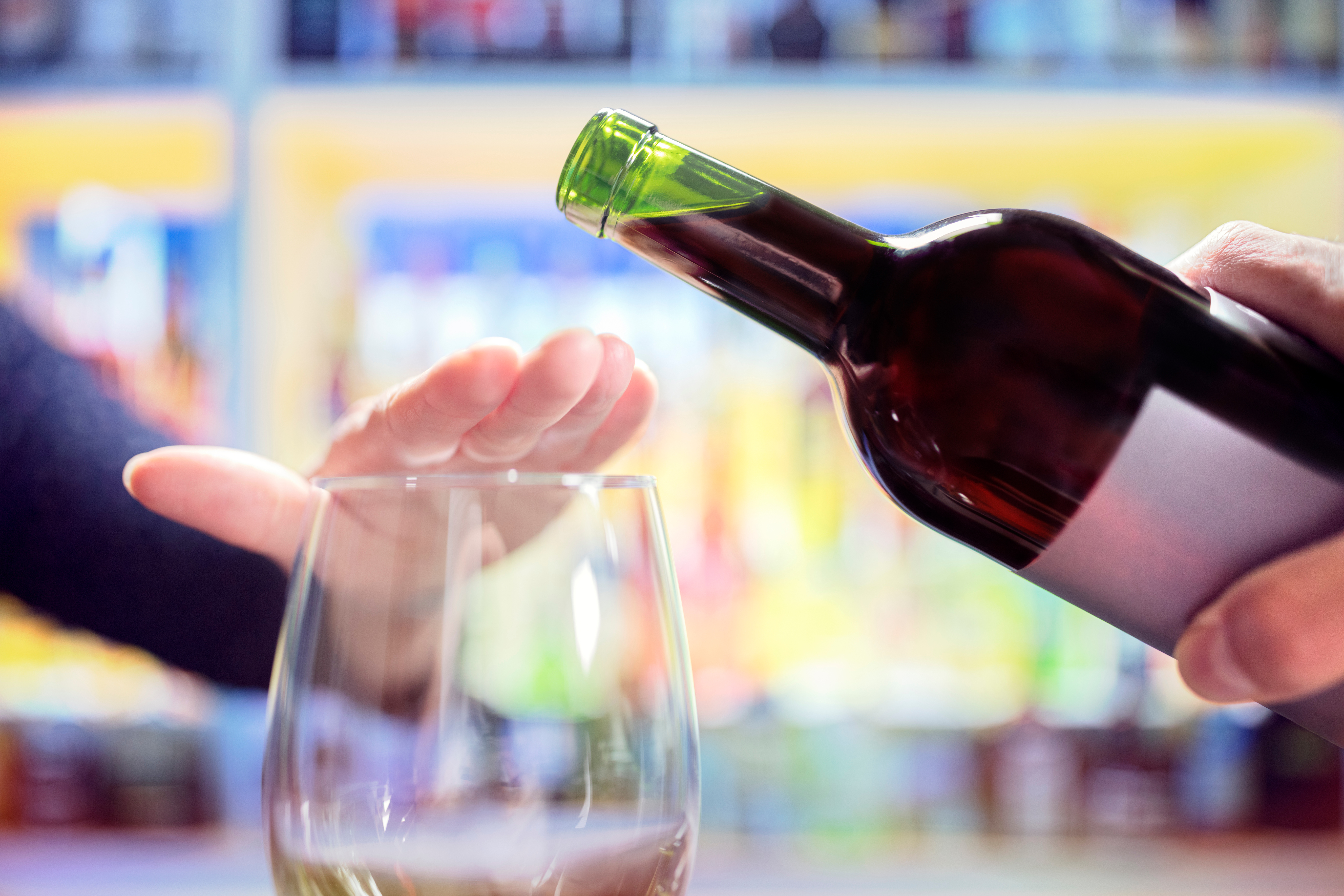
What Does “Blocking Alcohol” Actually Mean?
“Blocking alcohol” means naltrexone blocks opioid receptors involved in the brain’s reward system. Alcohol can trigger the release of natural endorphins, which may increase pleasure and reinforce the urge to keep drinking.
Naltrexone reduces that reward response. For some people, this can make alcohol feel less satisfying and help reduce the pattern of heavy or compulsive drinking.
However, this doesn’t mean naltrexone blocks every effect of alcohol. A person can still become impaired, lose coordination, black out, make unsafe decisions, or experience alcohol poisoning if they drink too much.
What to Expect in the First 24 Hours After Taking Naltrexone
Naltrexone may begin working within the first few hours after taking an oral dose. Some people notice fewer cravings or less interest in drinking fairly quickly, while others need more time to feel a clear difference.
During the first day, the medication is mainly working to reduce alcohol’s reward response. If someone drinks during this window, alcohol may feel less pleasurable, but intoxication can still happen.
After about 24 hours, the effect of oral naltrexone may weaken. This is why it’s important to follow the prescribing instructions instead of taking it only when cravings feel intense, unless a provider specifically recommends that approach.
Can You Drink Alcohol While Taking Naltrexone?
You can physically drink alcohol while taking naltrexone, but drinking is not risk-free. Naltrexone is different from disulfiram because it doesn’t usually cause an immediate sickness reaction when alcohol is consumed.
But alcohol can still impair judgment, coordination, mood, and physical health. Some people may also try to drink more to overcome the medication’s effects, which can increase the risk of binge drinking, injury, or relapse.
Naltrexone isn’t right for everyone. People with certain liver problems, current opioid use, opioid dependence, or upcoming opioid pain treatment may not be candidates. It can also cause sudden opioid withdrawal if opioids are still in the body, so it should only be used under medical guidance.
If your prescriber recommends abstinence, follow that guidance. Never change your dose, skip medication, or combine naltrexone with other substances without medical advice.

When Medication Alone Is Not Enough
Medication alone is often not enough when alcohol use has become difficult to control. Naltrexone may help reduce cravings, but it doesn’t remove withdrawal risk, emotional triggers, stress, trauma, or mental health symptoms.
A stronger recovery plan may include detox, residential treatment, therapy, relapse prevention, family support, and aftercare planning. This kind of support can help address both the physical and emotional sides of alcohol addiction. We can connect you with expert care through our luxury alcohol rehab and luxury drug rehab programs.
If stopping alcohol feels unsafe or unrealistic, professional treatment may be important. Alcohol withdrawal can be serious, and some people need medical supervision before they can begin deeper recovery work.
How Monterey Bay Recovery Can Help
We can help by providing medically supported detox and residential treatment in a private, structured setting. Our program is designed for people who need more than willpower or medication alone to break the cycle of alcohol use.
At our luxury six-bed residential program in Monterey, California, we provide personalized care, 24/7 medical supervision during detox, individual therapy, group therapy, family therapy, dual diagnosis support, and experiential therapies such as yoga and hiking. We also help with aftercare planning and connections to continued support after residential treatment.
If you’re asking how long naltrexone blocks alcohol because you’re trying to regain control, we’re here to help you take the next step. Contact us today to speak with our admissions team and learn what level of care may be right for you.
FAQs About How Long Naltrexone Blocks Alcohol
How long does oral naltrexone block alcohol?
Oral naltrexone typically reduces alcohol’s rewarding effects for about 24 hours after a dose. This is why it is often prescribed as a once-daily medication for alcohol use disorder.
How long does the naltrexone shot block alcohol?
The extended-release naltrexone shot is designed to work for about one month. It provides longer medication coverage than the daily pill and may be helpful for people who have trouble taking medication consistently.
Does naltrexone block alcohol the same way for everyone?
Naltrexone doesn’t work the exact same way for everyone. Dose, metabolism, liver health, drinking patterns, medication consistency, and overall treatment support can all affect how long it feels helpful.
What happens after naltrexone wears off?
After oral naltrexone wears off, alcohol may feel more rewarding again, and cravings may become harder to manage. This is why it is important to follow your prescriber’s dosing instructions.
How long should someone stay on naltrexone for alcohol use disorder?
The length of time someone stays on naltrexone depends on their recovery progress, cravings, relapse risk, side effects, and medical history. A prescriber can help decide whether it should be used short-term, for several months, or longer as part of a treatment plan.
Contact Us
Discover a transformative recovery experience, blending holistic and traditional modalities with a beautiful natural environment, and setting a foundation for lifelong healing.
"*" indicates required fields