
Hydrocodone vs Codeine: Comparing Uses, Side Effects & Safety
Quick answer: When comparing hydrocodone vs codeine, both are opioid medications used for pain relief, but hydrocodone is generally considered stronger. Codeine is often used for milder pain or cough suppression, while hydrocodone may be prescribed for more moderate pain. Both medications can cause side effects, tolerance, and addiction when misused.
What Is Hydrocodone?
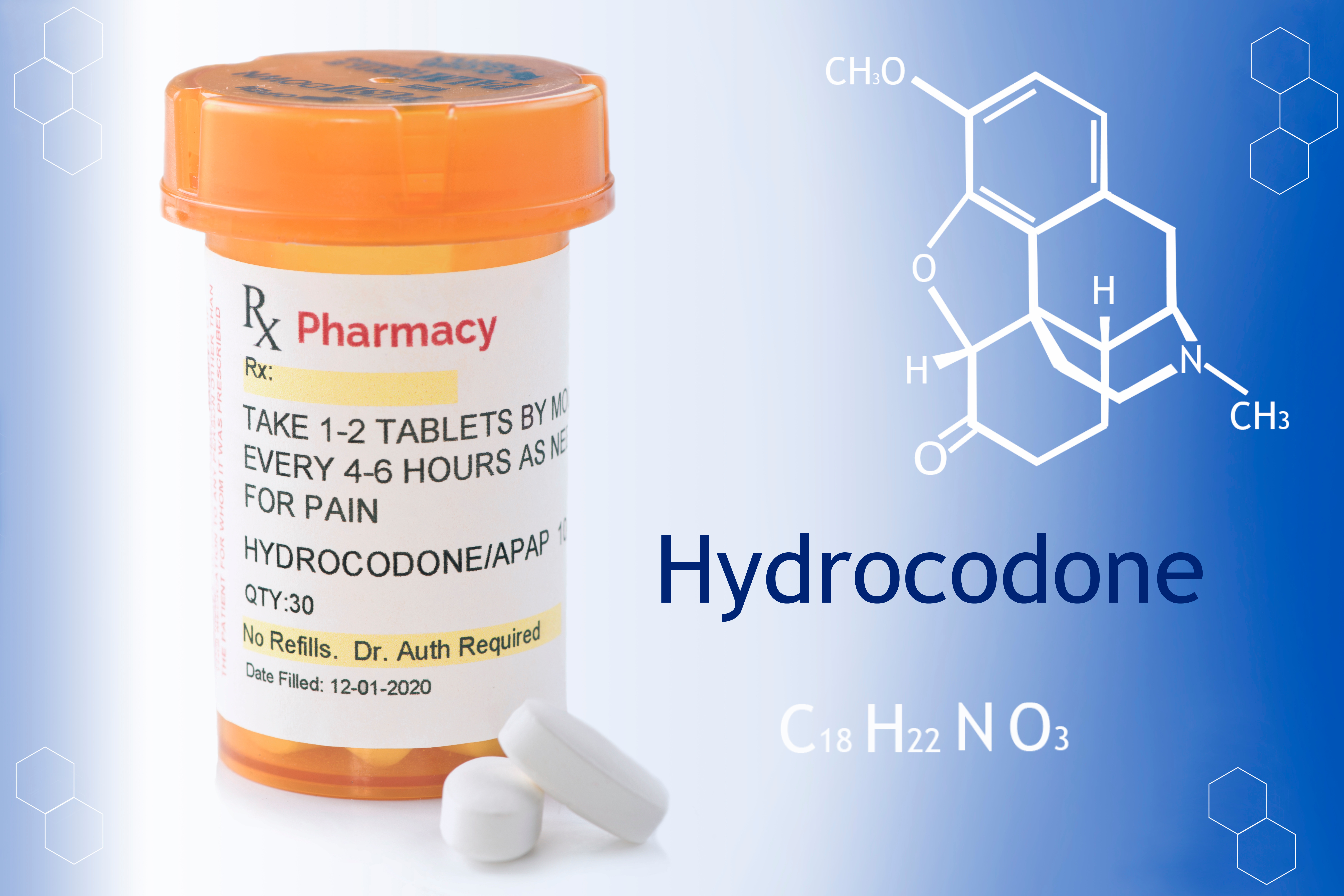
Hydrocodone is a prescription opioid medication commonly used to treat moderate pain. It is often combined with acetaminophen in certain formulations and works by binding to opioid receptors to reduce pain signals in the brain and body.
Because hydrocodone can also slow the nervous system, it should only be used under medical supervision. Misuse can increase the risk of dependence, sedation, and overdose.
What Is Codeine?
Codeine is a prescription opioid used for mild to moderate pain and, in some cases, cough suppression. It works through the same opioid receptor system, helping reduce discomfort while also creating calming and sedating effects.
Although codeine is sometimes viewed as milder than other opioids, it still carries meaningful risks. Dependence, side effects, and misuse can develop, especially with repeated or unsupervised use.
What Are the Main Hydrocodone and Codeine Differences?
The main differences between hydrocodone vs codeine involve strength, common uses, and how each person responds.
Hydrocodone is generally more potent than codeine and may be used when stronger pain relief is needed. Codeine is often viewed as a milder opioid, though it still carries meaningful risks.
Another difference is metabolism. Some people process codeine differently, which can affect how strongly it works or how many side effects occur.

Hydrocodone Vs Codeine For Pain
Hydrocodone vs codeine for pain often depends on the severity of discomfort, medical history, and a provider’s judgment.
Hydrocodone may be selected for more moderate pain, while codeine may be considered in milder cases. Neither medication should be seen as harmless simply because it was prescribed.
With ongoing use, both can lead to tolerance, in which the same dose becomes less effective over time.
Hydrocodone and Codeine Side Effects
Hydrocodone Side Effects
Hydrocodone side effects can vary by dose and individual response, but common effects may include:
- Drowsiness
- Nausea
- Constipation
- Dizziness
- Dry mouth
- Slowed breathing
- Impaired coordination
Some people may also notice mood changes or mental fog, especially with higher doses.
Codeine Side Effects
Codeine side effects often overlap with other opioids and may include:
- Sleepiness
- Nausea
- Constipation
- Lightheadedness
- Itching
- Confusion
- Slowed breathing
Because codeine is activated through metabolism, some people may experience stronger effects than expected.
Do Hydrocodone and Codeine Have Similar Risks?
Hydrocodone and codeine both carry risks of dependence, misuse, and overdose.
Misuse may begin subtly, such as taking extra doses, using medication for stress relief, or feeling unable to get through the day without it. Over time, this can become a pattern that feels difficult to break on your own.
Combining either medication with alcohol, benzodiazepines, or other sedating substances increases danger significantly.
When Opioid Use Starts to Feel Harder to Control
Prescription opioid dependence often develops gradually. What may begin as occasional or medically directed use can shift into patterns that start affecting daily life, emotional well-being, and relationships.
Signs that additional support may be needed can include:
- Finishing prescriptions sooner than expected
- Thinking about pills throughout the day
- Feeling the need to increase the dose
- Experiencing discomfort when not taking them
- Hiding or minimizing use
- Noticeable mood changes
- Wanting to stop but struggling to do so
Opioid Addiction Treatment in California
Healing from dependence on hydrocodone, codeine, or other opioids often begins in an environment where safety, structure, and support are already in place. Codeine and hydrocodone treatment may involve medical oversight, one-on-one therapy, relapse prevention strategies, and care that addresses the emotional or situational factors connected to continued use.
For many individuals, privacy is essential during this process. A calm and respectful drug rehab center can make it easier to focus fully on recovery without outside pressure.

How Monterey Bay Recovery Can Help
Monterey Bay Recovery’s opioid addiction treatment in California is intentionally individualized. A limited number of residents allows the clinical team to stay closely engaged with each person’s progress, needs, and goals throughout treatment.
Set near the coast, the residential setting offers distance from daily pressures and room to reset. This balance of professional support and peaceful surroundings can help people reconnect with themselves and move forward with confidence.
FAQs About Hydrocodone Vs Codeine
What is codeine commonly prescribed for?
Codeine has been used for mild to moderate pain and, in some cases, cough suppression. How it is prescribed depends on the person’s medical needs, history, and provider guidance.
How do hydrocodone and oxycodone compare?
Hydrocodone and oxycodone are both prescription opioids used for pain relief, but oxycodone is often considered more potent in certain dosing comparisons. When comparing hydrocodone vs codeine, both medications carry risks that include tolerance, dependence, and misuse, so either should only be used under medical supervision.
Why do opioids become less effective over time?
With repeated use, the body can develop tolerance, meaning the same dose may provide less relief than it once did. This often leads some people to feel tempted to increase use, which can raise risk.
Can prescription opioids affect mood or mental clarity?
Yes. Some people experience irritability, low mood, anxiety, brain fog, or emotional ups and downs while using opioids or between doses. These changes can be a sign that the medication is affecting more than pain alone.
What kind of treatment helps with opioid dependence?
Effective treatment often includes medical support, therapy, relapse prevention planning, and care tailored to the individual. A structured and supportive environment can help people begin recovery safely and with greater stability.
Contact Us
Discover a transformative recovery experience, blending holistic and traditional modalities with a beautiful natural environment, and setting a foundation for lifelong healing.
"*" indicates required fields