
Is Xanax a Narcotic?
Quick Answer: No, Xanax is not a narcotic. Xanax is a benzodiazepine used for anxiety and panic disorders, but it can still be addictive and dangerous when misused.
Many people ask if Xanax is a narcotic because it can cause sedation, dependence, and withdrawal symptoms. While it is not an opioid, it is still a controlled substance that should be used carefully and only as prescribed.
Is Xanax a Narcotic or Something Else?
No, Xanax is not classified as a narcotic. In most modern medical settings, the term narcotic usually refers to opioid drugs such as oxycodone, hydrocodone, morphine, or fentanyl.
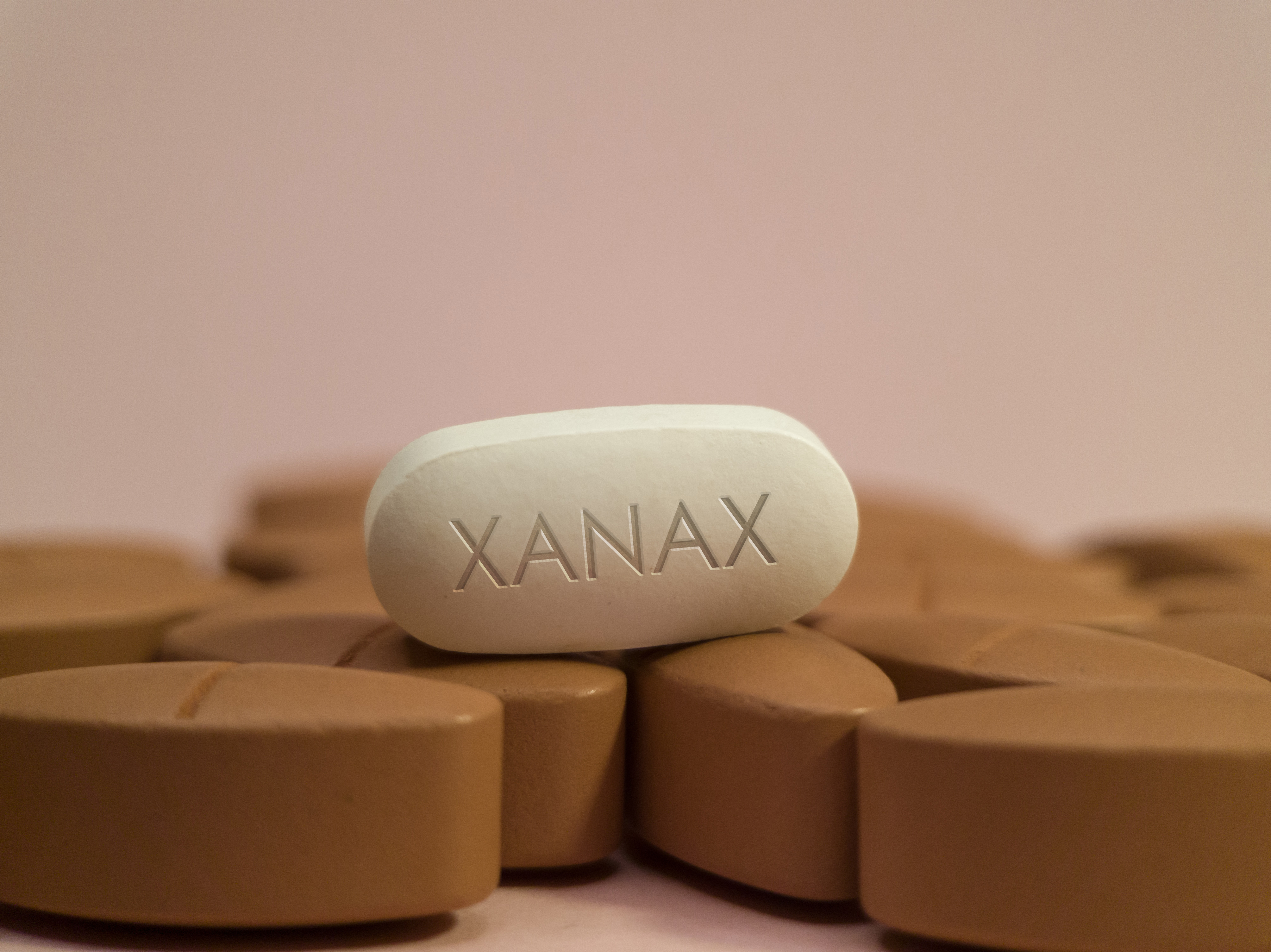
Xanax is the brand name for alprazolam, which belongs to a class of medications called benzodiazepines. These drugs work by slowing activity in the central nervous system, helping reduce anxiety and panic symptoms.
Because Xanax can make someone feel sleepy or detached, many people question whether Xanax is a narcotic or if it belongs in the same category as narcotics. It does not, but it still carries real risks.
What Is Xanax Prescribed For?
Xanax is most often prescribed for anxiety disorders and panic attacks. In some cases, it may also be used short-term during periods of severe stress.
When carefully monitored, it can provide relief. The issue is that Xanax works quickly, and fast-acting medications sometimes create a pattern of emotional reliance.
We often see people begin with legitimate use, then slowly come to depend on it for sleep, travel, socializing, or managing daily stress.
Why Do People Ask Is Xanax a Narcotic?
People ask, “Is Xanax a narcotic?” because of the similar effects it may have to narcotics. Also, most people use the word narcotic loosely to describe any medication that feels strong, sedating, or addictive. That confusion is extremely common.
Families often ask this question after noticing behavioral or physical changes in a loved one. Signs may include:
- Excessive sleepiness
- Slurred speech
- Memory problems
- Mood changes
- Secretive behavior around medication
- Needing higher doses over time
These concerns can happen with benzodiazepine misuse, even though Xanax is not a narcotic.
What Is Xanax Prescribed For?
Xanax is most often prescribed for anxiety disorders and panic attacks. In some cases, it may also be used short-term during periods of severe stress.
When carefully monitored, it can provide relief. The issue is that Xanax works quickly, and fast-acting medications sometimes create a pattern of emotional reliance.
We often see people begin with legitimate use, then slowly come to depend on it for sleep, travel, socializing, or managing daily stress.

Can Xanax Be Addictive Even If It Is Not a Narcotic?
Yes. A drug does not need to be a narcotic to become addictive.
Xanax can lead to tolerance, meaning the same dose feels weaker over time. Some people begin taking more than prescribed or feel unable to function without it. Others notice rebound anxiety between doses, which can reinforce continued use.
This misunderstanding delays treatment more often than people realize. Many assume prescription medications are safer by default, but dependence can still develop.
What Happens When Xanax Is Misused?
Misuse may include taking larger doses, using it without a prescription, mixing it with alcohol, or taking it to numb emotions rather than manage a diagnosed condition.
Over time, misuse can affect nearly every area of life, including relationships, work performance, judgment, and emotional stability.
Common consequences include:
- Increased anxiety between doses
- Depression or emotional numbness
- Memory issues
- Poor decision-making
- Risky combinations with alcohol or opioids
- Greater overdose risk when mixed with other depressants
Is Xanax Withdrawal Dangerous?
Yes, Xanax withdrawal can be serious, especially after regular or long-term use.
Stopping suddenly may trigger intense anxiety, insomnia, tremors, panic symptoms, and in some cases, seizures. This is one reason benzodiazepine dependence should be treated carefully rather than handled alone.
A medically guided taper or supervised detox plan can reduce risk and improve comfort during the process.
When Should Someone Seek Help for Xanax Use?
It may be time to seek help when Xanax use feels difficult to control or starts affecting daily life.
Some people notice they run out early, need higher doses, or feel anxious anytime they do not have access to the medication. Others begin hiding their use or combining it with alcohol.
If use has become something you manage your life around, support can make a real difference.

How Can Monterey Bay Recovery Help With Xanax Addiction?
Monterey Bay Recovery understands that Xanax dependence often begins quietly. What starts as relief from anxiety can become something that feels hard to step away from.
Our team provides individualized care for prescription drug addiction in a private and supportive environment. We help clients stabilize safely, address the reasons behind substance use, and build a path toward lasting recovery.
If you or someone you love is asking questions like “Is Xanax a narcotic?” – that might be a sign of deeper concerns. Monterey Bay Recovery specializes in helping people understand their relationship with Xanax, and we can help you regain your health. Call for a confidential conversation about your lasting wellness today.
Is Xanax a Narcotic?: FAQs
How long does Xanax stay in your system?
How long Xanax stays in the body can vary based on dose, frequency of use, metabolism, age, and overall health. In many cases, it may remain detectable for several days, though this can differ from person to person.
Can Xanax make anxiety worse over time?
It can in some cases. As tolerance develops or doses wear off, some people experience rebound anxiety, increased nervousness, or stronger symptoms between doses.
Can you drink alcohol while taking Xanax?
Combining Xanax with alcohol is risky and should be avoided unless specifically directed by a medical provider. Both substances depress the central nervous system and may increase sedation, impaired judgment, and overdose risk.
Can Xanax affect memory or concentration?
Yes. Xanax can affect short-term memory, focus, and mental clarity, especially at higher doses or with ongoing use. Some people notice forgetfulness, slowed thinking, or difficulty concentrating while taking it.
Can treatment help if Xanax was prescribed legally?
Yes. Many people develop dependence after starting with a valid prescription, and treatment can still help.
Contact Us
Discover a transformative recovery experience, blending holistic and traditional modalities with a beautiful natural environment, and setting a foundation for lifelong healing.
"*" indicates required fields