
Why Women Relapse for Reasons No One Talks About
Relapse is rarely about weakness or a lack of willpower. More often, it’s the result of pressure points that build quietly in the background until something snaps. Women, especially, face layers of emotional labor, relationship expectations, trauma history, hormonal changes, and caregiving demands that don’t always get airtime in traditional conversations about recovery. When you look closely, relapse becomes less of a mystery and more of a signal that someone’s needs have gone unmet for too long.
Here are some of the overlooked reasons women relapse, how mental health plays a central role, and where supportive, evidence-based help actually exists. You’ll see how deeper emotional patterns, unaddressed depression, co-occurring disorders, and social pressures tie together.
When Recovery Isn’t Enough Without Mental Health Support
A lot of women go into recovery believing that once the substance use stops, things will magically fall into place. But many quickly learn that sobriety doesn’t automatically fix anxiety, trauma, or the burnout that pushed them toward coping behaviors in the first place. When mental health needs go unaddressed, recovery becomes a fragile balancing act.
Quality care matters here, especially the kind that can handle the full picture of trauma histories, anxiety disorders, depressive episodes, OCD tendencies, or the freeze-response that shows up after years of chronic stress. That’s why some women turn to mental health treatment in Orange County through programs like those at Neurish Wellness. Their centers offer inpatient and outpatient support designed for individuals who need more than surface-level recovery. This kind of environment can help women stabilize the emotional and physiological pieces of their wellbeing, not just the behavioral ones.
Depression That Doesn’t Look Like Depression
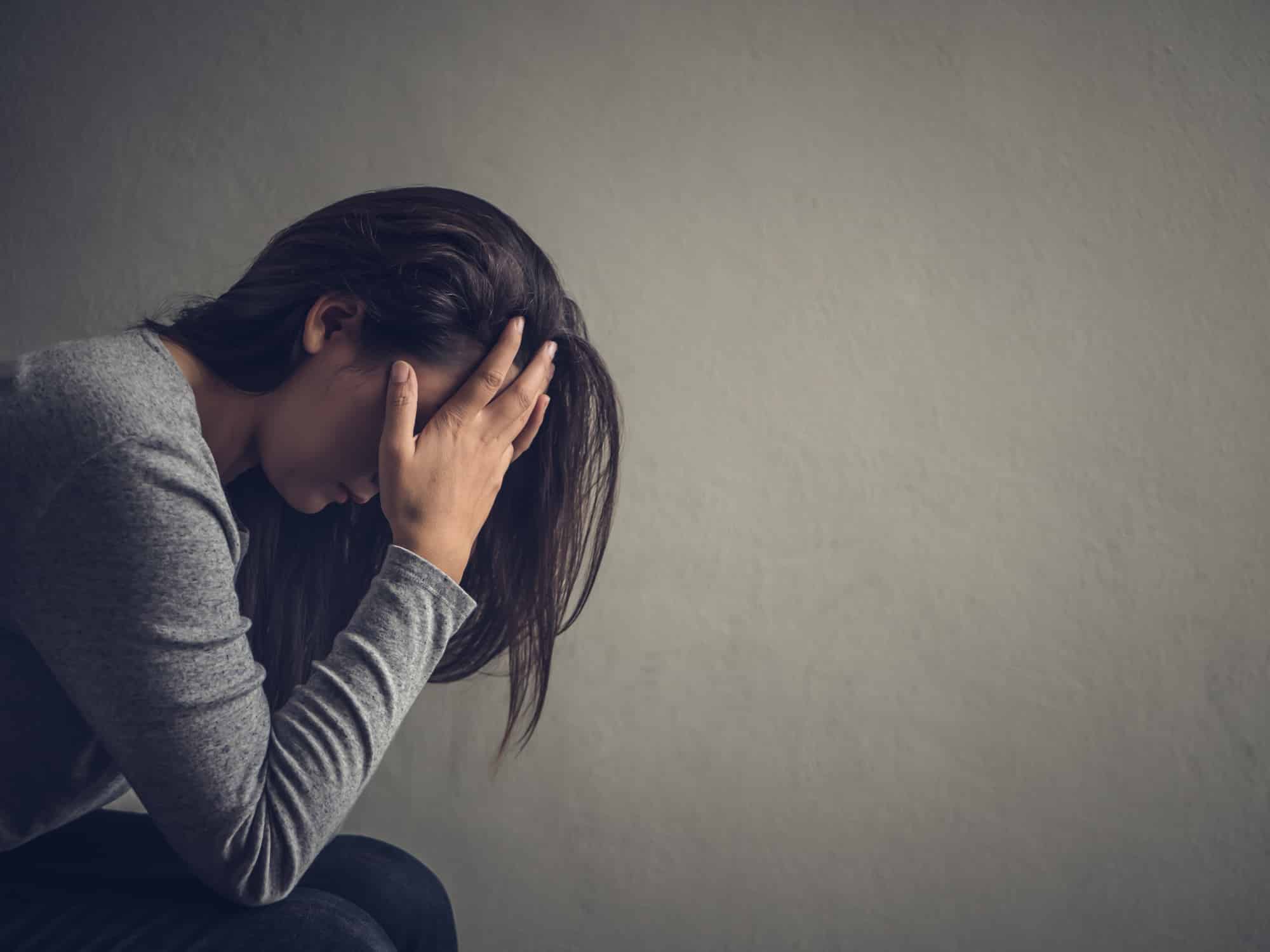
One of the most overlooked triggers for relapse is depression that hides in plain sight. Women often show high-functioning symptoms like chronic fatigue, irritability, decision-fatigue, lack of joy, and emotional numbness without labeling it as depression. They keep moving, keep performing, and keep taking care of everyone around them. But inside, something is slipping.
The truth is, depression doesn’t have to look like someone curled up in bed all day. It can look like a woman juggling work, parenting, and relationships while quietly losing her sense of meaning. There are many different approaches to treating depression. Some people respond well to cognitive therapy, others to somatic work, lifestyle changes, medication, or combinations of multiple tools.
When depression is ignored or minimized, relapse becomes more likely. Women often turn to old coping strategies because they can’t find emotional relief anywhere else. Recognizing the subtler signs and getting the right type of treatment early can make the difference between staying on track and spiraling back into old patterns.
Hidden Co-Occurring Disorders That Go Untreated
Another reason relapse happens is that many women have co-occurring mental health conditions that never get fully diagnosed. Anxiety disorders, PTSD, bipolar disorder, ADHD, and eating disorders can live in the background undetected for years. Instead of being addressed, these conditions get mislabeled as personality quirks or stress until they reach a breaking point.
It’s important to recognize co-occurring disorders so that families can understand what layered symptoms look like. But many women don’t realize their symptoms are interconnected. They think they have a motivation problem when it’s actually undiagnosed ADHD. Or they believe they have anger issues when the root is unresolved trauma. Or they think their emotional highs and lows are normal until someone identifies a mood disorder.
The Pressure to Put on a Strong Act

Women often shoulder a cultural expectation to be endlessly capable. They are expected to stay emotionally steady, carry the household, support their partners, be present for their kids, and keep everyone else’s world spinning. Even during recovery, this pressure doesn’t disappear. For some women, it intensifies.
Being the strong one leads to quiet overwhelm. They’ll keep saying yes when they’re exhausted. They’ll keep hiding their needs so no one worries. And they’ll keep dismissing their symptoms because other people have it worse. This level of chronic overextension creates the perfect environment for relapse. Not because of weakness, but because no one can maintain that level of emotional labor without consequences.
Relationship Dynamics That Aren’t Healthy Enough to Support Recovery
Recovery doesn’t happen in isolation. It happens within friendships, marriages, partnerships, and family systems. Many women relapse because they return to environments that don’t support their growth.
Sometimes the issue is subtle with partners who unintentionally sabotage progress, friends who don’t understand boundaries, or family members who minimize the need for ongoing support. Other times, the issue is more serious with controlling partners, emotionally manipulative relationships, or environments where the woman is carrying everyone’s emotional weight.
Even good relationships can become strained when one person is changing faster than the other. Without healthy communication and boundaries, women may slip back into familiar patterns just to keep the peace, which can lead them back into old coping mechanisms. Learning how to rebuild relationship dynamics during recovery is often just as important as therapy itself.
Contact Us
Discover a transformative recovery experience, blending holistic and traditional modalities with a beautiful natural environment, and setting a foundation for lifelong healing.
"*" indicates required fields