
What Is Disulfiram? Uses, Side Effects, Doses, & More
Disulfiram, commonly known by the brand name Antabuse, is a prescription medication that helps individuals stay committed to recovery from alcohol addiction. It works by creating an unpleasant physical reaction when alcohol is consumed, helping to discourage relapse and reinforce sobriety. When taken under professional guidance, disulfiram can be a powerful support for those determined to build a healthier, alcohol-free life.
What Is Disulfiram (Antabuse)? And How Disulfiram Works
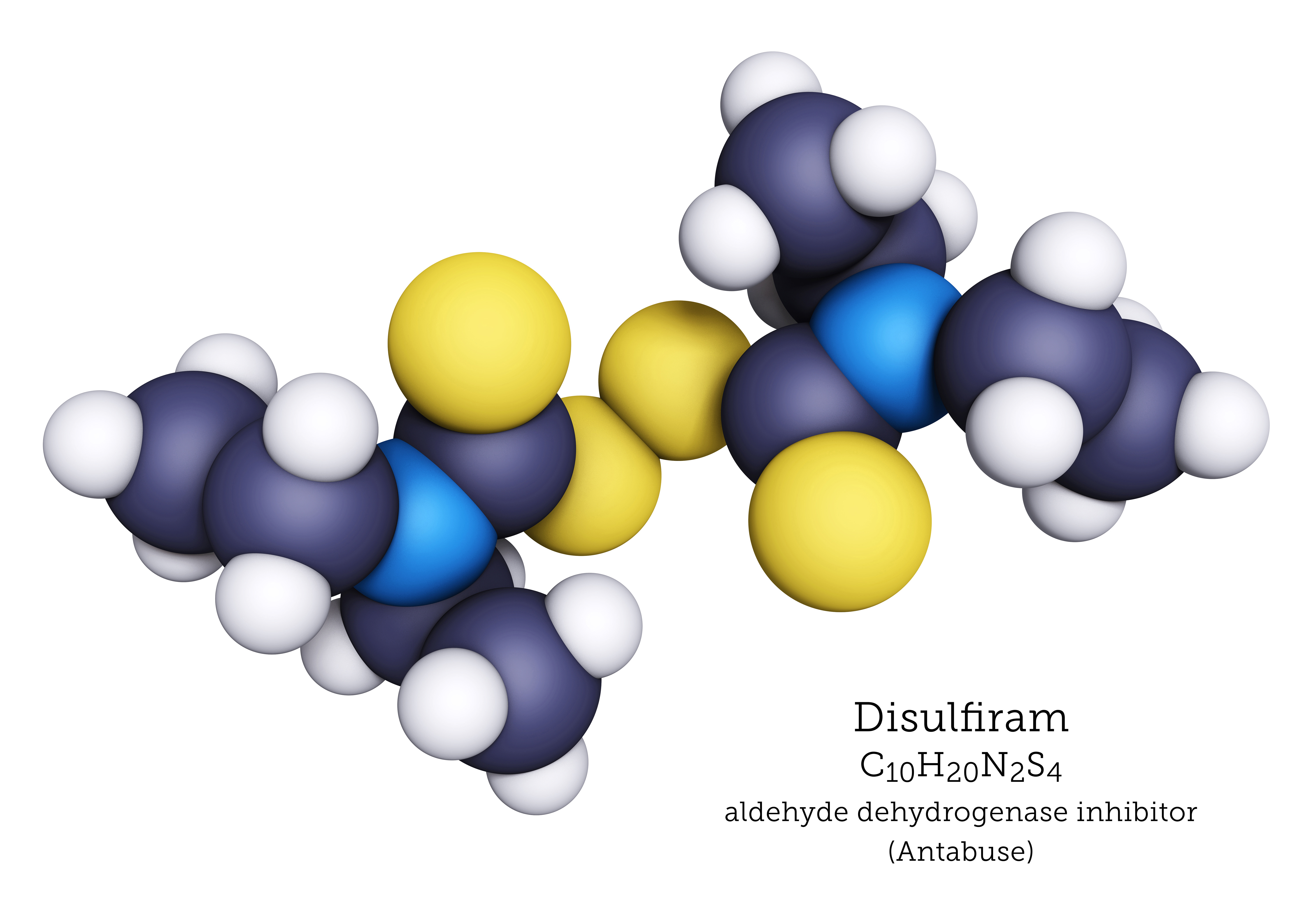
Disulfiram, or Antabuse, belongs to a class of medications known as alcohol deterrents. It works by blocking an enzyme that helps the body process alcohol. Normally, alcohol breaks down into acetaldehyde and then into a harmless substance. Disulfiram prevents the second step, causing acetaldehyde to build up in the blood. This buildup leads to unpleasant effects—such as nausea, flushing, or vomiting—when alcohol is consumed. The reaction discourages drinking and helps individuals maintain sobriety.
How Disulfiram Supports Alcohol Addiction Treatment
Disulfiram is prescribed to treat chronic alcohol use disorder. It is not a cure for addiction but a support medication used alongside therapy, counseling, and medical care. People who have completed detoxification and want extra support in staying sober may benefit the most. At Monterey Bay Recovery, these disulfiram uses may be part of a personalized recovery plan that combines evidence-based therapy, peer support, and holistic care.
Disulfiram Dosage and How to Take It Safely
The typical starting dose of disulfiram is 500 milligrams daily for one to two weeks, followed by a maintenance dose of 250 milligrams per day.
The medication is taken orally, usually in the morning, but can be adjusted to the evening if it causes drowsiness.
Because disulfiram remains active in the body for up to two weeks after the last dose, patients must avoid all forms of alcohol, including those found in cough syrups, mouthwash, or certain foods.
Common Side Effects of Disulfiram
Disulfiram is generally safe when used correctly, but it can cause side effects. Some are mild, while others may require medical attention.
Common disulfiram side effects include:
Tiredness, mild headache, drowsiness, rash, and a metallic or garlic-like taste in the mouth.
Serious disulfiram side effects include:
Liver problems (such as yellowing of the skin or eyes), confusion, numbness or tingling in the limbs, or severe allergic reactions, like rash, hives, or difficulty breathing. Anyone experiencing these symptoms should contact a healthcare provider immediately. Regular liver function tests are usually recommended during treatment.
Important Warnings and Precautions for Disulfiram Users
Disulfiram is not appropriate for everyone. People with severe heart disease, liver conditions, or a history of psychosis shouldn’t use it. It’s also not recommended during pregnancy or breastfeeding.
Patients should inform their doctor about all current medications and avoid products that contain alcohol. Even small amounts—like those found in perfumes or cooking extracts—can cause a disulfiram-alcohol reaction.
Disulfiram in Comprehensive Alcohol Recovery Programs

At Monterey Bay Recovery, disulfiram may be used as part of a complete recovery program that includes therapy, medical support, and holistic healing. This approach addresses both the physical and emotional aspects of addiction, helping individuals stay accountable and focused on long-term sobriety. The combination of medical treatment and counseling provides the best chance for lasting success.
Alternatives to Disulfiram for Alcohol Addiction Treatment
While disulfiram can be effective, other medications may also help manage alcohol addiction. Naltrexone reduces the rewarding effects of alcohol, and acamprosate helps control cravings.
The choice between these medications depends on each person’s needs, health history, and recovery goals. A qualified medical provider can help determine the most appropriate treatment.
Is Disulfiram Right for You?
Disulfiram can be a strong deterrent to alcohol use and a helpful part of a recovery journey. However, it’s most effective when combined with ongoing therapy, emotional support, and healthy lifestyle changes. For many, it provides a sense of accountability and physical reinforcement against relapse.
Begin Your Recovery at Monterey Bay Recovery
If you or someone you love is struggling with alcohol addiction, our alcohol rehab offers compassionate, evidence-based treatment programs tailored to your needs. Our experienced team provides medical guidance, therapy, and holistic care to support every step of recovery.
Contact us today to learn how disulfiram and other proven treatments can help you achieve lasting sobriety.
Contact Us
Discover a transformative recovery experience, blending holistic and traditional modalities with a beautiful natural environment, and setting a foundation for lifelong healing.
"*" indicates required fields
Frequently Asked Questions About Disulfiram
How long does disulfiram stay in your system?
Disulfiram can stay active in the body for up to two weeks after the last dose. This means that drinking alcohol during this time can still trigger a strong reaction. Individuals should wait at least 14 days after stopping disulfiram before consuming any alcohol-containing product.
Is disulfiram addictive?
No, disulfiram is not habit-forming or addictive. It doesn’t produce any pleasurable effects or cravings. Its purpose is purely to help deter alcohol consumption through a physical reaction.
What happens if you accidentally drink alcohol on disulfiram?
Even small amounts of alcohol can cause a severe reaction when taking disulfiram. Symptoms may include flushing, nausea, vomiting, and low blood pressure. If this occurs, seek medical attention immediately. It’s important to read product labels carefully and avoid foods, medicines, or hygiene products that contain alcohol.
How effective is disulfiram compared to other medications?
Disulfram’s effectiveness depends on a person’s commitment to recovery and their support system. It tends to work best when combined with therapy and accountability programs. While medications like naltrexone or acamprosate help reduce cravings, disulfiram focuses on deterring alcohol use through physical discomfort. Each medication serves a different purpose in recovery.
Can I take disulfiram if I have liver problems?
People with liver disease should use disulfiram only under close medical supervision, as the medication can affect liver function. Regular blood tests are typically required to ensure safety. Anyone with a history of hepatitis, cirrhosis, or abnormal liver enzyme levels should discuss risks and alternatives with their doctor before starting treatment.
How long should someone stay on disulfiram?
The duration of disulfiram treatment varies depending on each person’s recovery plan. Some individuals may take it for several months, while others may continue for a year or longer as part of relapse prevention. The decision should always be made with a healthcare provider who can evaluate progress and goals.
Can disulfiram be taken with antidepressants or anxiety medication?
When it comes to disulfiram drug interactions, this medication can interact with certain prescription drugs, including some antidepressants and anxiety medications. Always tell your doctor about any medications you’re currently taking before starting disulfiram. A medical professional can adjust doses or suggest alternatives to avoid harmful interactions.
Does disulfiram affect mental health?
While disulfiram itself isn’t a psychiatric medication, it can influence mood or cause confusion in some individuals, especially at higher doses. People with a history of mental health conditions should be closely monitored by a healthcare provider while taking it.
What should I do if I miss a dose of disulfiram?
If you miss a dose, take it as soon as you remember. If it’s almost time for your next dose, skip the missed one—never double up. Consistency is key, so many people find it helpful to take disulfiram at the same time every day, often under supervision from a trusted support person or treatment program.