
What Is Suboxone? Uses, Side Effects, Doses, and More
When people start looking into treatment options for opioid addiction, Suboxone is often one of the first medications they hear about. It has a strong track record, helps reduce cravings and withdrawal, and makes the recovery process feel more manageable. Still, knowing what Suboxone actually is, how it works, and what to expect day to day can make the whole journey feel a lot less intimidating.
This guide breaks down everything you may want to know about Suboxone so that you can make decisions with confidence. Whether you’re considering starting Suboxone, switching from another medication, or simply learning how it fits into recovery, this will give you a clear, grounded understanding.
What Is Suboxone, and What Is It Used for?
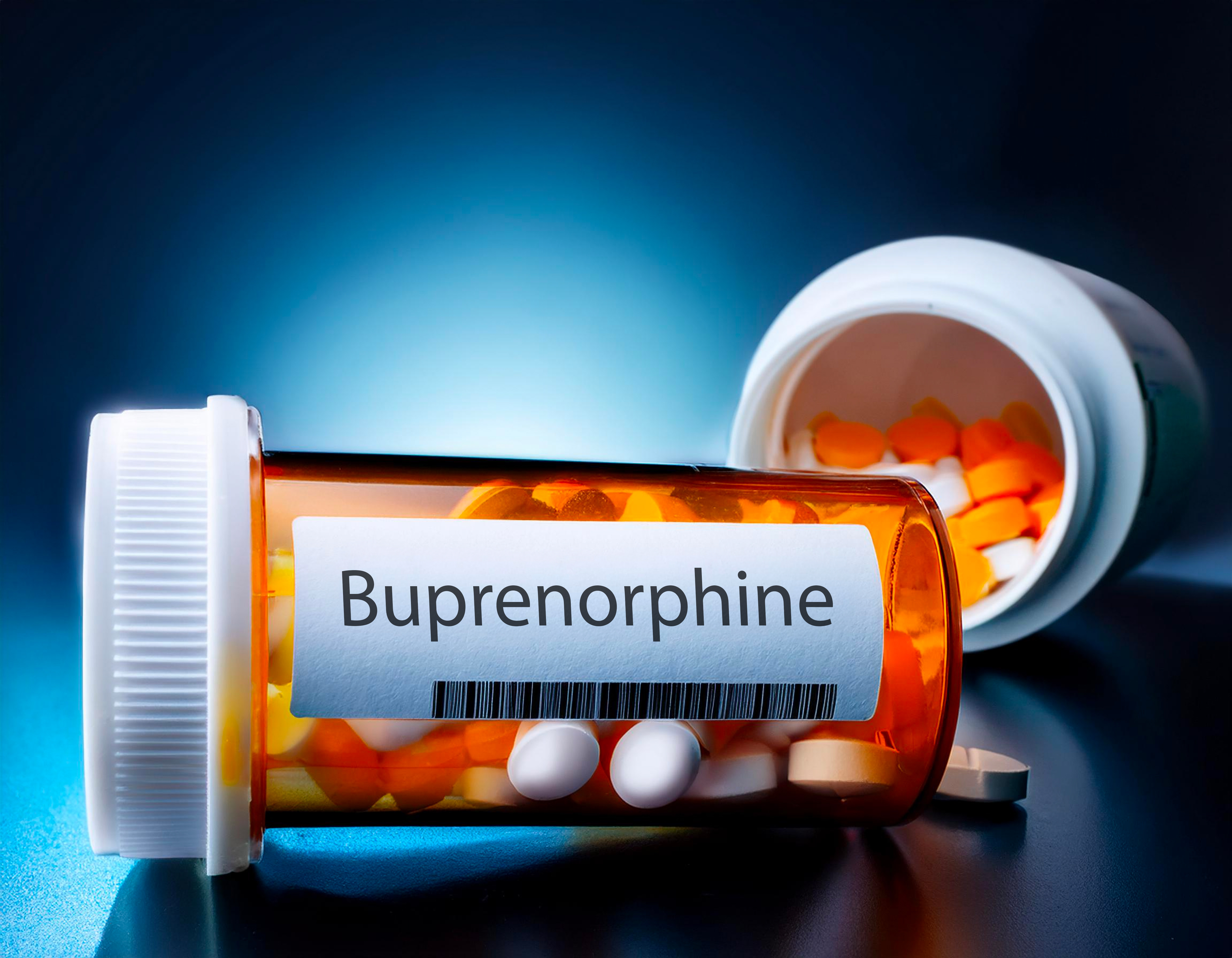
Suboxone is a prescription medication used to treat opioid use disorder. It contains buprenorphine, which reduces cravings and withdrawal, and naloxone, which helps prevent misuse.
It’s designed to stabilize the body without creating the intense highs that come from opioids. This steadiness helps people function, rebuild their routines, and regain control over their lives.
People start Suboxone treatment when they want:
- Relief from withdrawal
- Fewer cravings
- A sense of physical steadiness
- Support for long-term recovery
- A safer, medically supervised alternative to opioids
Suboxone can be used during early withdrawal, throughout long-term maintenance, or during a slow taper when someone is ready to reduce their dose. Check out our blog comparing Suboxone vs. methadone to learn more.
How Suboxone Works in the Body
Suboxone works by partially activating the same receptors that opioids attach to. The buprenorphine component gives your body enough relief to ease withdrawal and cravings, but not enough to create a high or make you feel out of control.
Because Suboxone also contains naloxone, there is an added layer of safety built into the medication. Naloxone stays inactive when Suboxone is taken as prescribed, but it helps prevent misuse if someone tries to take it in a way that is not medically intended.
Together, these ingredients create a steady, predictable effect that helps the brain settle, supports the nervous system, and makes daily life feel more manageable.
Why Suboxone Feels Different Than Other Opioids
Buprenorphine has a ceiling effect. Once it reaches a certain level in the body, the effects don’t keep increasing. This is why Suboxone helps people feel steady and functional rather than intoxicated or sedated. The ceiling effect also reduces the likelihood of misuse and helps people stay grounded throughout recovery.
How to Take Suboxone Safely
Suboxone works best when your body absorbs it slowly. That’s why the most common way of taking it is via a dissolving film or tablet placed under the tongue or inside the cheek. It works best when you let it fully dissolve without chewing or swallowing it.
Your first dose is usually taken once mild withdrawal has begun. Taking it too early can cause discomfort, which is why having medical guidance matters. After the adjustment period, most people take Suboxone once a day. Others split their dose into two smaller doses depending on their symptoms.
How Suboxone Dosage Is Determined
There is no universal Suboxone dose that works for everyone. Providers adjust doses based on symptoms, cravings, opioid history, and how your body responds.
Here is the general progression most people follow:
- A low introductory dose on day one
- A slight increase on day two if symptoms remain active
- A daily maintenance dose—usually between eight and 24 mg
Your provider may adjust your dose a few times early on while your system settles. The right dose is simply the one that keeps you comfortable and stable.
Common Side Effects of Suboxone

Your body may need a little time to adjust during the first week or two. Mild nausea, constipation, headaches, or small changes in sleep are common early on. These usually fade as your body settles into a new rhythm.
If something feels stronger than expected or doesn’t improve, your provider can help you adjust the dose or explore simple ways to make the transition smoother.
Can You Become Dependent on Suboxone?
Your body can become physically dependent on Suboxone, but this is very different from addiction. Addiction involves harmful patterns and cravings for a high. Suboxone doesn’t produce those effects when used as directed.
Physical dependence simply reflects your body adjusting to a steady medication. It is normal and expected for long-term medications that regulate the nervous system.
How Long People Stay on Suboxone
There is no single timeline for how long people stay on Suboxone. Some people take Suboxone for a few months, while others remain on it longer because it gives them stability and reduces their risk of relapse.
People often stay on Suboxone longer when they:
- Have a long history of opioid use
- Have tapered too quickly in the past
- Are balancing work or family stress
- Experience anxiety about withdrawal
- Prefer consistent support while rebuilding their life
Your timeline should match your needs, not someone else’s expectations.
How Monterey Bay Recovery Supports Suboxone Treatment
Medication can steady the body, but recovery also depends on emotional support, structure, and a calm place to heal. Monterey Bay Recovery provides that environment.
Our private six-bed luxury rehab center offers space to deal with substance use disorder, stabilize on Suboxone, understand how your body responds, and build the foundation you need for long-term recovery.
Reach out to us today to receive medical guidance, individualized care, and therapeutic support so you’re not managing everything on your own.
Contact Us
Discover a transformative recovery experience, blending holistic and traditional modalities with a beautiful natural environment, and setting a foundation for lifelong healing.
"*" indicates required fields
FAQs About What Is Suboxone?
Can Suboxone affect how other medications work?
Yes, Suboxone can interact with certain medications, especially those that slow the nervous system, such as benzodiazepines or sedatives. Some antidepressants and sleep medications can also require dose adjustments. Sharing your full medication list with your provider helps prevent unwanted interactions and keeps treatment safe.
What should I expect during the first 24 hours of treatment?
The first day usually focuses on finding the right timing and dose. Most people start once early withdrawal begins, and then your provider may adjust the dose within the first few hours. Some people feel relief right away, while others stabilize slowly over the next day or two. Feeling a little off balance at first is normal and usually improves quickly.
What is Suboxone used for besides treating withdrawal?
Most people know Suboxone helps with withdrawal, but its use goes beyond the first few days of recovery. Suboxone is also used to reduce cravings, stabilize the nervous system, and prevent the cycle of relapse that often follows untreated opioid dependence. It supports long-term recovery by giving the brain steady regulation so you can rebuild routines, manage stress, and function normally without constant physical discomfort.
Can Suboxone be used long term without harming the body?
For many people, yes. Long-term Suboxone use is considered safe when monitored by a medical provider. It doesn’t damage organs or cause cognitive decline. Many patients stay on it for months or years because it lowers the risk of relapse and keeps life stable. Decisions about tapering should be based on readiness, not pressure.
What happens if you miss a dose of Suboxone?
Missing a single dose usually doesn’t cause severe withdrawal because buprenorphine stays in the system for a long time. You may feel a little discomfort or an increase in cravings, but most people can resume their normal dosing schedule the next day. If missed doses become frequent or symptoms spike, your provider can help you adjust your routine or dosage.