
How Long Does Methadone Stay in Your System?
When you’re taking methadone, it’s natural to wonder how long it stays in your system. Sometimes the question comes up because of an upcoming drug test, although most drug tests don’t test for methadone. Other times, it’s about wanting a better sense of how your body handles the medication. Methadone is long-acting and steady, which is why it helps so many people, but that same quality can make the detection timeline confusing.
A clearer understanding of how long methadone stays in your system can make everything feel less tense, especially when you’re trying to navigate work, responsibilities, or recovery goals.
What Methadone Is and How It Works in the Body
Methadone is a long-acting medication used to treat opioid use disorder. It works by attaching to the same receptors that opioids target, but instead of creating a high, it produces a steady, calming effect. This eases withdrawal and reduces cravings, helping your body return to a more regulated rhythm.
Because methadone stays active for a long time, your age, liver function, metabolism, hydration, and how long you’ve been on treatment all influence how quickly your system clears it. These natural differences are why two people on similar doses can still have different detection windows.

Key Insights: How Methadone Behaves in the Body
How long does methadone stay in your system? To understand this, it helps to look at the basics of how the medication moves and breaks down:
Key points to keep in mind include:
- It has a long half-life, which lengthens detection.
- It binds strongly to opioid receptors.
- It is processed mainly by the liver.
- It can build up with long-term therapeutic use.
- Different drug tests detect it for different lengths of time.
How Long Does Methadone Stay in Your System by Test Type?
Each drug test has a different detection window, although most standard drug tests don’t test for methadone. The sensitivity of the test and the way your body processes methadone both shape how long it is visible.
How Long Does Methadone Show Up in a Urine Test?
Urine testing is the most common method. Methadone is usually detectable for three to seven days after the last dose. Some tests also look for methadone metabolites, which can extend detection slightly depending on your liver function, hydration, and metabolic rate.
How Long Does Methadone Stay in Your Blood?
Blood tests reflect a much shorter window because methadone leaves the bloodstream more quickly. Most blood tests detect the medication for about 24 to 48 hours. This method is often used in medical or emergency settings where recent use is the primary concern.
How Long Does Methadone Stay in Saliva?
Saliva screening is quick, simple, and noninvasive. Methadone is usually detectable for up to two days. Because it offers fast results, saliva testing is commonly used for routine or on-the-spot assessments.
How Long Does Methadone Stay in Your Hair?
Hair testing captures the longest window. Methadone can be detected in hair strands for up to 90 days. These tests are often used in legal, forensic, or long-term monitoring situations because they provide a broader view of substance use over time.
Additional Factors That Influence Detection
Your body processes methadone at its own natural rhythm. Even small variations in health, lifestyle, or medication history can shift the detection timeline. Common factors include:
- Liver health and genetic enzyme differences
- How long you have been in treatment
- Your hydration level
- Your age and body composition
- Whether you take methadone daily or intermittently
- Other medications that influence liver metabolism
Even routine things like stress, diet changes, and inconsistent sleep can affect how the medication feels in your body, even if they don’t change the detection timeline itself. These differences explain why there is no single answer to “How long does methadone stay in your system?” Not even for people taking similar doses.
How Methadone’s Effects Can Continue After Testing Shows It Is Gone
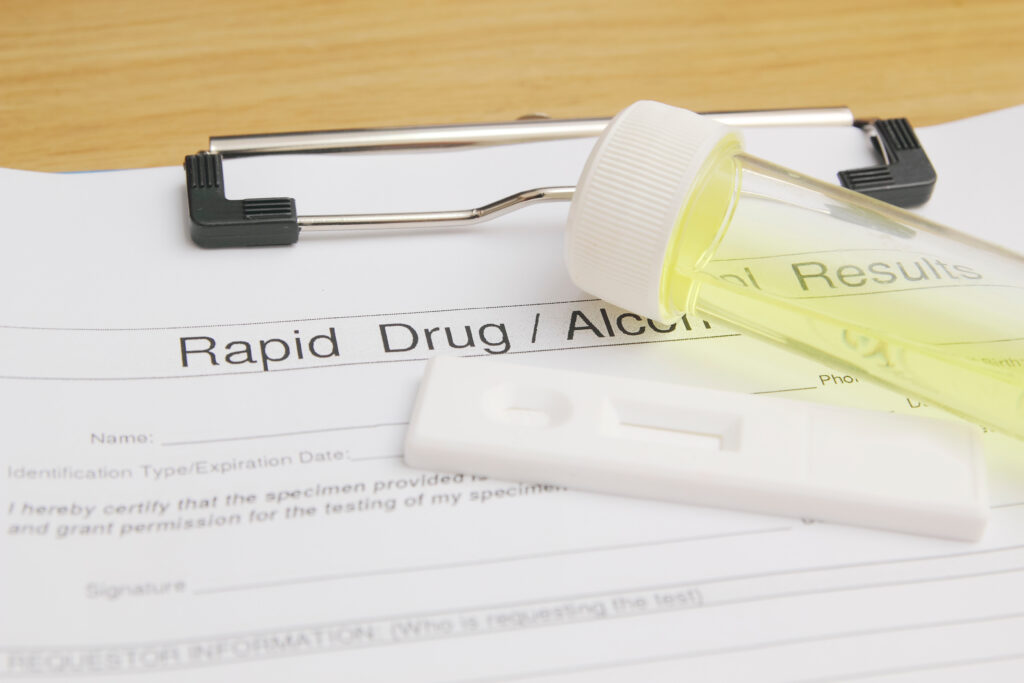
Sometimes methadone no longer shows up on a drug test, even though you still feel calmer or more settled. This is normal. Your nervous system often takes longer to adjust than the testing window reflects. Those lingering effects are simply your brain finding its footing again.
The difference between how you feel and what appears on a test can be confusing, but it’s not a sign that something is wrong. If anything ever feels stronger than expected, reaching out to your provider can offer clarity and reassurance.
When Concern About Detection Signals a Need for Support
Worrying about drug tests or constantly thinking about how long methadone stays in your system can be signaling that you need more support than you’re getting right now. It’s not a sign that you’re slipping or doing anything wrong. It simply means you’ve been trying to hold a lot on your own, and that weight starts to show up in stress, tension, and second-guessing.
You might benefit from extra support if you:
- Think about upcoming tests more than you want to
- Question whether your dose still feels right
- Feel pressure around decisions in your recovery
- Wish you had someone to talk things through with
- Feel unsure about your next step
For many people, getting help in a calm and structured setting makes everything feel lighter.
Get Care That Helps You Move Forward
Stress around detection timelines can build quickly, especially when you’re trying to balance recovery with the rest of your life. Having support you can rely on makes that load feel lighter.
At Monterey Bay Recovery, our luxury rehab center offers a quiet, private six-bed setting where you can slow down, get clarity, and understand what your body is going through. Our team is here to guide you with honesty and care so you don’t have to carry everything on your own.
Contact Us
Discover a transformative recovery experience, blending holistic and traditional modalities with a beautiful natural environment, and setting a foundation for lifelong healing.
"*" indicates required fields
FAQs About Methadone Use and How the Body Processes It
Can certain foods or supplements affect how long methadone stays in the body?
Some supplements and herbal products can influence liver enzymes, which may slightly affect how methadone is processed. Grapefruit products can slow metabolism for a small number of people. Sharing your supplement list with your provider is always helpful.
How long does methadone stay in your system if you take it daily?
Daily dosing can lengthen the detection window because the medication builds up to steady levels in the body. Most people taking methadone every day will fall toward the upper end of the typical timelines for urine, saliva, and blood testing. Your provider can offer guidance based on your dose, metabolism, and treatment history.
Does switching from methadone to another medication change detection timelines?
Yes, when transitioning to buprenorphine or naltrexone, providers plan the timing carefully because methadone can stay in your system longer than it feels active.
Can medical conditions make methadone stay in your system longer?
Certain conditions, especially those involving the liver, can slow methadone clearance. This is usually managed through personalized dosing or closer monitoring.
Does long-term methadone treatment lead to longer detection windows?
It can. People taking methadone long term sometimes clear it more slowly because the body has adapted to steady levels. This is normal and not harmful.
How accurate are at-home drug tests for detecting methadone?
Most standard at-home tests don’t detect methadone unless they are labeled methadone-specific. Using the right test is important if you need reliable results.
Does methadone show up the same way on all types of drug tests?
No, many basic drug panels don’t screen for methadone at all. Detection depends on whether the test specifically includes methadone or its metabolites.