
What is Methadone? Uses, Side Effects, Doses, & More
Methadone is a medication that helps people steady themselves while recovering from opioid addiction. It eases withdrawal, quiets cravings, and gives your body a break from constant highs and lows. Like buprenorphine, it’s often used in medication-assisted treatment, which is designed to support long-term recovery by stabilizing brain chemistry and allowing people to focus on counseling, healing, and rebuilding daily life.
When paired with real support and medical oversight, methadone helps people get their footing again so they can focus on therapy, routines, and rebuilding their lives. Here, we’ll cover methadone’s uses, how it works in the body, and how it can play a long-term role in your recovery journey.
What Is Methadone? How It Helps with Opioid Addiction
Methadone is an FDA-approved medication used for opioid addiction treatment. It interacts with the same receptors that opioids target, but in a controlled, predictable way. Instead of causing a high, it stabilizes the nervous system so you’re not swinging between withdrawal and cravings.
This steady baseline makes it easier to get through the day, show up for therapy, and reenter daily life with more focus and less chaos.
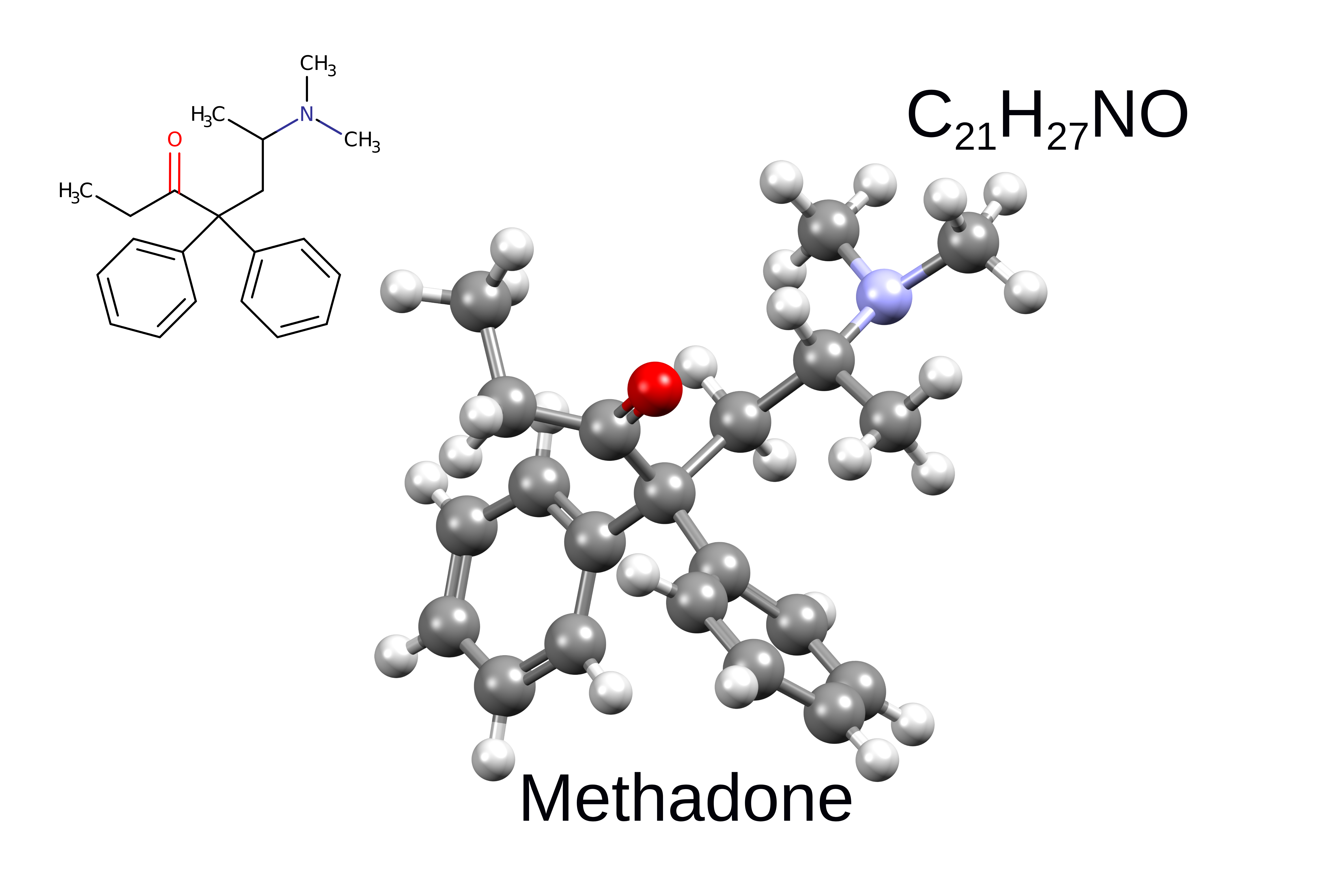
How Methadone Works in the Body
Methadone stays active for a long time, which is why it’s so effective for people in early recovery. One dose provides hours of relief from cravings and withdrawal, making the day feel more manageable and less physically overwhelming.
If you’re curious about how long methadone stays in your system, you can learn more about its extended half-life and how that helps create a sense of stability. It’s one of the reasons many providers choose it during the rougher stages of recovery.
If you’re comparing medication-assisted treatment (MAT) options, our guide on Suboxone vs methadone can help clarify how each medication works.
Medical Uses of Methadone in Addiction and Pain Treatment
Methadone is most commonly used in structured opioid addiction treatment to help people:
- Move through withdrawal more comfortably
- Reduce cravings during early and ongoing recovery
- Stay emotionally steady enough to do the deeper work of therapy
In some situations, methadone may also be used for chronic pain when other treatments aren’t effective. Providers look closely at your history and goals so the plan feels safe and appropriate for your health.
Forms of Methadone Available for Treatment
Methadone is offered in several forms to meet different comfort levels and medical needs. It may be prescribed as a liquid, a dispersible tablet, or a traditional oral tablet, allowing care teams to tailor medication to what feels most consistent and manageable for each individual.
Your provider will help determine which form best fits your treatment plan, personal preferences, and daily routine. This personalized approach creates a smooth, grounded experience and supports long-term stability.
Recommended Methadone Dosages for Opioid Dependence
Methadone dosing is personalized. Providers adjust it based on your history, level of dependence, and how your body responds during the first days of treatment. Instead of one fixed dose, treatment follows three simple stages.
Initial Dose
The initial dose is taken soon after your last opioid use. This starting dose is intentionally low so your provider can ease withdrawal symptoms safely and see how your body reacts.
Gradual Adjustments
Over the next several days, the dose may increase slowly to manage cravings and stabilize withdrawal. Changes are careful and measured to avoid discomfort or sedation.
Maintenance Dose
Once things level out, you’ll move to a consistent daily dose that prevents cravings, reduces withdrawal, and supports long-term recovery. Adjustments happen only when needed and always under medical supervision.
Sudden dose changes should never be made on your own. A clinician guides each step to keep treatment safe and steady.
Common Methadone Side Effects and Risks

Many individuals experience mild, temporary side effects when beginning methadone, most of which naturally ease as the body adjusts. Common experiences may include:
- Constipation
- Lightheadedness or drowsiness
- Nausea
- Sweating
- Subtle changes in sleep patterns
More serious side effects are rare but can occur, such as severe dizziness, difficulty breathing, or signs of an allergic reaction. If anything feels concerning, it’s important to seek medical attention promptly. Staying in close communication with your care team ensures that any symptoms are addressed gently, quickly, and with the compassion you deserve.
Methadone’s Role in Long-Term Recovery
What is methadone, and what part does it play in the context of long-term healing? It can be a steady source of support when paired with therapy, holistic practices, and a calming environment. It helps ease physical discomfort, supports clearer thinking, and creates space for people to engage more deeply in their recovery.
At Monterey Bay Recovery, our private six-bed luxury addiction rehab allows us to design truly personalized care plans that honor each person’s dignity and unique path.
Seeking Methadone Treatment at Monterey Bay Recovery
Choosing to begin treatment is an act of courage. Our serene coastal environment offers a peaceful space for reflection, restoration, and personal growth. With attentive one-on-one care and a personalized treatment plan, our team is here to support you through every stage of the journey.
Contact us today to take the first step toward healing and finding joy after addiction.
Contact Us
Discover a transformative recovery experience, blending holistic and traditional modalities with a beautiful natural environment, and setting a foundation for lifelong healing.
"*" indicates required fields
FAQS About Methadone Uses & Side Effects
What is methadone treatment like on a day-to-day basis?
Many people picture methadone treatment as restrictive, but for most individuals, it becomes a simple part of their daily routine. Once a stable dose is reached, the medication helps prevent withdrawal and cravings so you can work, attend therapy, and take care of responsibilities without constant physical discomfort. Over time, the predictability of the medication helps people feel more capable and less overwhelmed.
Is methadone the same as buprenorphine?
Methadone and buprenorphine are both medications used to support individuals recovering from opioid addiction, but they are not the same. Methadone is a full opioid agonist that fully activates opioid receptors to control withdrawal and cravings, while buprenorphine is a partial agonist that activates those receptors more gently, lowering the risk of misuse and overdose. Your provider can help determine which option may feel most supportive for your journey.
How long does methadone stay in the body?
Methadone remains active for many hours, offering steady, lasting support. The exact timeframe varies depending on the individual and their dosage, but the extended stability it provides helps reduce fluctuations that may trigger cravings.
Can you drive while taking methadone?
Some individuals feel drowsy when they first begin methadone. Once a stable dose is reached and the body adjusts, many people are able to drive safely. Your provider will guide you based on how you respond.
Is methadone addictive?
Methadone can lead to physical dependence, which is why it is always prescribed and monitored by trained professionals. When used as part of a structured treatment program, it offers a safe and steady way to support long-term recovery.
Can you drink alcohol while taking methadone?
You should avoid alcohol while taking methadone, as the combination can increase sedation and slow breathing. If you have questions about what is safe during treatment, your care team will offer calm, supportive guidance.