
What is Naltrexone? Uses, Side Effects, Doses, & More
When people begin exploring medication options for alcohol or opioid addiction, naltrexone is one of the names that usually comes up first. It has been around for decades, has strong clinical evidence behind it, and helps many people regain control of their health and daily life. As you begin considering medication-assisted treatment (MAT), you might have questions: what is naltrexone, and how does it actually work?
This guide breaks down what you need to know about naltrexone so you can understand how it fits into recovery, what it feels like to take it, and what to expect as you move through treatment.
What Is Naltrexone? | How It Supports Opioid Addiction
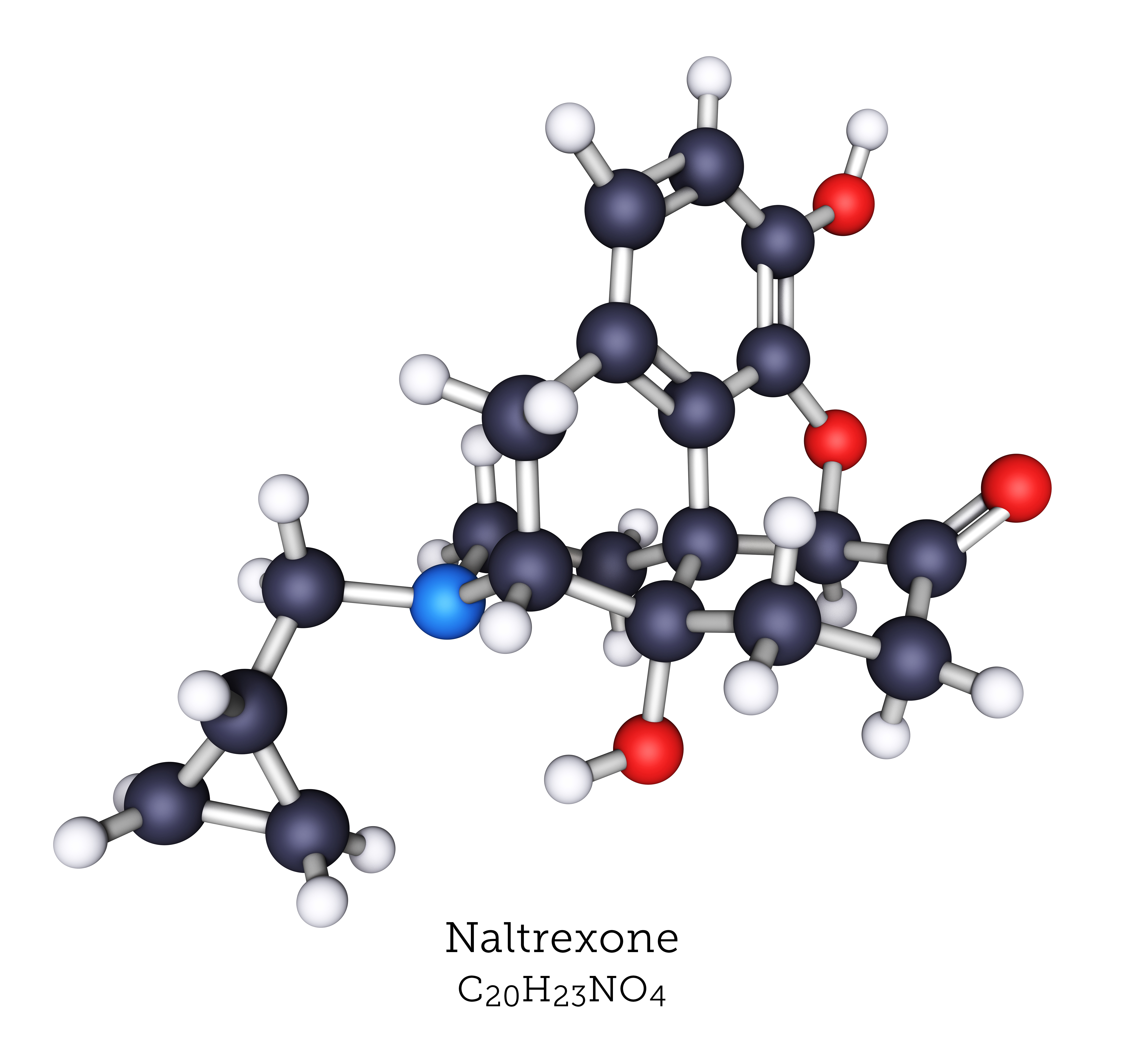
Naltrexone is a well-established medication used to support individuals who are healing from alcohol or opioid dependence. It works by reducing cravings and softening the urge to fall back into old patterns, helping people feel more in control of their recovery.
Without the constant pull toward alcohol or opioids, many individuals find they have more space to engage in the emotional and reflective work early recovery often requires. This steadiness supports confidence and self-trust, creating a foundation for healing that feels meaningful and sustainable.
What Is Naltrexone Used for?
Naltrexone is used to treat both alcohol use disorder and opioid use disorder. It helps reduce cravings, lowers the urge to drink or use, and blocks the rewarding effects that make relapse more likely. Many people use it to create stability in early recovery, rebuild daily routines, and stay grounded while they work through therapy and long-term healing.
How Naltrexone Interacts with the Brain and Body
Naltrexone works by gently blocking the receptors that respond to alcohol or opioids. Without the usual reinforcement these substances create, the cycle of urge and reward slowly softens. Many people also wonder how long naltrexone takes to work, and for most individuals, its calming effects on cravings begin once the medication reaches steady levels in the body, which your provider will guide you through.
Because naltrexone doesn’t create a high or suppress awareness, individuals remain alert and present, allowing them to stay engaged in daily routines and therapeutic activities.
Alternative Medications That Support Recovery
While naltrexone offers steady support for many individuals, other medications may also complement recovery depending on a person’s needs. Some options include:
- Buprenorphine, which can help ease withdrawal discomfort and support a smoother transition into recovery
- Methadone, a long-standing medication that offers physical stability and reduces cravings
- Acamprosate, often used in alcohol recovery to help restore balance in brain chemistry
Each of these medications has unique strengths. Your care team at Monterey Bay Recovery will guide you through these options with warmth, clarity, and respect for your unique story.
Recommended Naltrexone Dosages
Typically, individuals begin taking naltrexone once they have been free from alcohol or opioids for the required amount of time. The oral version is typically taken once per day, while the injectable form is given monthly by a provider. Both options are designed to offer consistent support throughout early recovery.
All dosage decisions are made thoughtfully and monitored closely to ensure emotional stability, physical comfort, and long-term well-being. Check out our blog to learn more about what to avoid when taking low-dose naltrexone.
What to Expect with Naltrexone Side Effects

Most individuals tolerate naltrexone well, and many side effects are mild or temporary. Nonetheless, some possible reactions may include:
- Nausea or stomach discomfort
- Headache
- Light fatigue
- Changes in sleep patterns
- Mild dizziness
More serious reactions are rare. If someone notices severe abdominal pain, yellowing of the skin, or signs of an allergic response, they should seek medical care immediately. Staying in open communication with your provider ensures any concerns are addressed promptly and compassionately.
How Long Does Naltrexone Stay in Your System?
How long naltrexone remains in the system depends on the form used. The oral version is typically processed within one to three days. The extended-release injection stays active for about a month. This longer-acting option is helpful for people who want support without daily dosing or who worry about missing a dose. Your provider will explain how long it stays active and how it fits into your broader recovery plan.
Can You Drink or Use Opioids While on Naltrexone?
Naltrexone blocks the rewarding effects of alcohol and opioids, so using either substance while on the medication usually feels very different. Alcohol may feel less reinforcing, making it easier to stop after one drink or avoid drinking more. For opioids, the blocking effect is stronger and typically prevents intoxication altogether.
Because the usual reinforcement is gone, individuals often recognize old habits more clearly and can interrupt them before they take hold.
Who Should Avoid Naltrexone?
Naltrexone isn’t the right medication for everyone. Individuals should avoid it if they:
- Are currently physically dependent on opioids
- Have acute liver disease or severely impaired liver function
- Are pregnant—unless specifically advised by a provider
- Are using medications that conflict with its blocking effects
A medical assessment helps determine whether naltrexone is safe and appropriate for your recovery.
How Naltrexone Fits Into a Full Treatment Plan
Naltrexone can bring steadiness, but recovery also needs structure, emotional support, and a safe place to slow down. This medication works best when paired with therapy, healthy routines, and consistent guidance. As cravings ease, many people find they can finally rebuild their daily life without constant tension and engage more fully in the deeper work of healing.
How Monterey Bay Recovery Supports Naltrexone Treatment
Our private luxury rehab center gives you a quiet, structured setting to explore naltrexone treatment with close medical support. You’re never left to navigate questions or changes alone. We help you understand what the medication is doing, how your body is responding, and which steps will keep you grounded.
Whether you’re starting naltrexone or looking for steadier support, we offer a peaceful environment where you can move forward with clarity and confidence.
Contact Us
Discover a transformative recovery experience, blending holistic and traditional modalities with a beautiful natural environment, and setting a foundation for lifelong healing.
"*" indicates required fields
FAQs About Naltrexone Treatment
How long does it take for naltrexone to start working?
Craving reduction often begins within the first few days of oral naltrexone and shortly after receiving the extended-release injection.
What is naltrexone used for in recovery?
Naltrexone is used to reduce cravings and block the reinforcing effects of alcohol or opioids. By interrupting that cycle, it helps people stay focused on therapy, daily routines, and long-term healing.
Can naltrexone be used long term?
Yes, many people stay on naltrexone for months or years because it lowers relapse risk and supports emotional stability. Long-term use is safe with proper monitoring.
Does naltrexone affect mental clarity or mood?
Most people remain fully alert and clearheaded. Mild mood shifts can occur early on but usually improve as the body adjusts.
Is it difficult to stop naltrexone?
No, naltrexone doesn’t cause physical withdrawal. However, it’s still important for your healthcare provider to guide the process if you choose to stop.
Can naltrexone be combined with therapy or other treatments?
Absolutely. Naltrexone works best as part of a broader treatment plan with therapy, supportive routines, and structured care.