Recovery asks a lot from a person, especially in the beginning. The body is adjusting, cravings show up at inconvenient moments, and even small tasks can feel heavier than they should. It’s a stage that demands strength while someone may still feel unsteady.
Medication for drug addiction can take the edge off that pressure. It quiets the constant fight with cravings, reduces the physical stress of early recovery, and helps people feel more present in their daily life. When the body settles, the mind has more room to breathe.
For many people, medication becomes the support that allows therapy, routine, and real emotional healing to take hold. Rather than coming to rely on a new drug, medication for drug addiction is designed to give you a chance to recover without feeling overwhelmed every step of the way.
Why Medication Matters in Recovery
Medication for drug addiction (and alcohol addiction) can create a level of physical and emotional steadiness that therapy alone cannot always reach. When cravings soften or withdrawal stops taking over your day, recovery becomes less chaotic and more manageable. Most people find medication gives them a chance to actually participate in therapy, routines, relationships, and healing instead of feeling pulled under by symptoms.
Choosing the Right Medication for Your Needs
The right medication for drug addiction depends on what challenges you face most often:
strong cravings
withdrawal symptoms
mood swings or emotional instability
trouble staying abstinent from alcohol
opioid dependence
relapse patterns
There isn’t a single “best” medication, but with the help of a doctor, you can find a medication that makes your recovery feel more possible. The sections below walk you through those options in a clear, simple way.
Commonly Used Medications for Alcohol & Drug Addiction
Naltrexone, disulfiram, buprenorphine, methadone, acamprosate, and Suboxone are the most common substance abuse medication options. Each drug and alcoholism medication option works in a different way, so it’s important to understand who each one is best suited for.
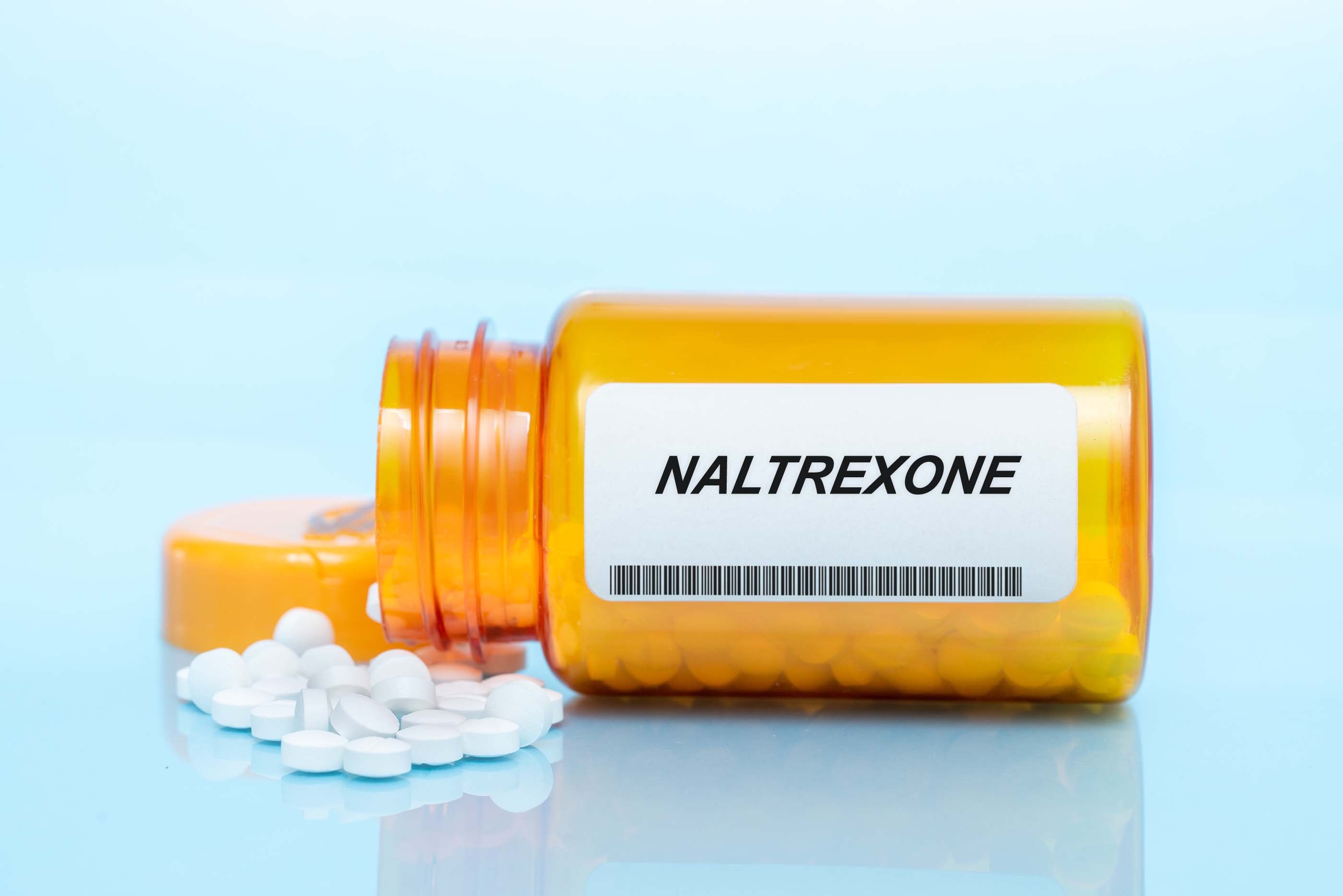
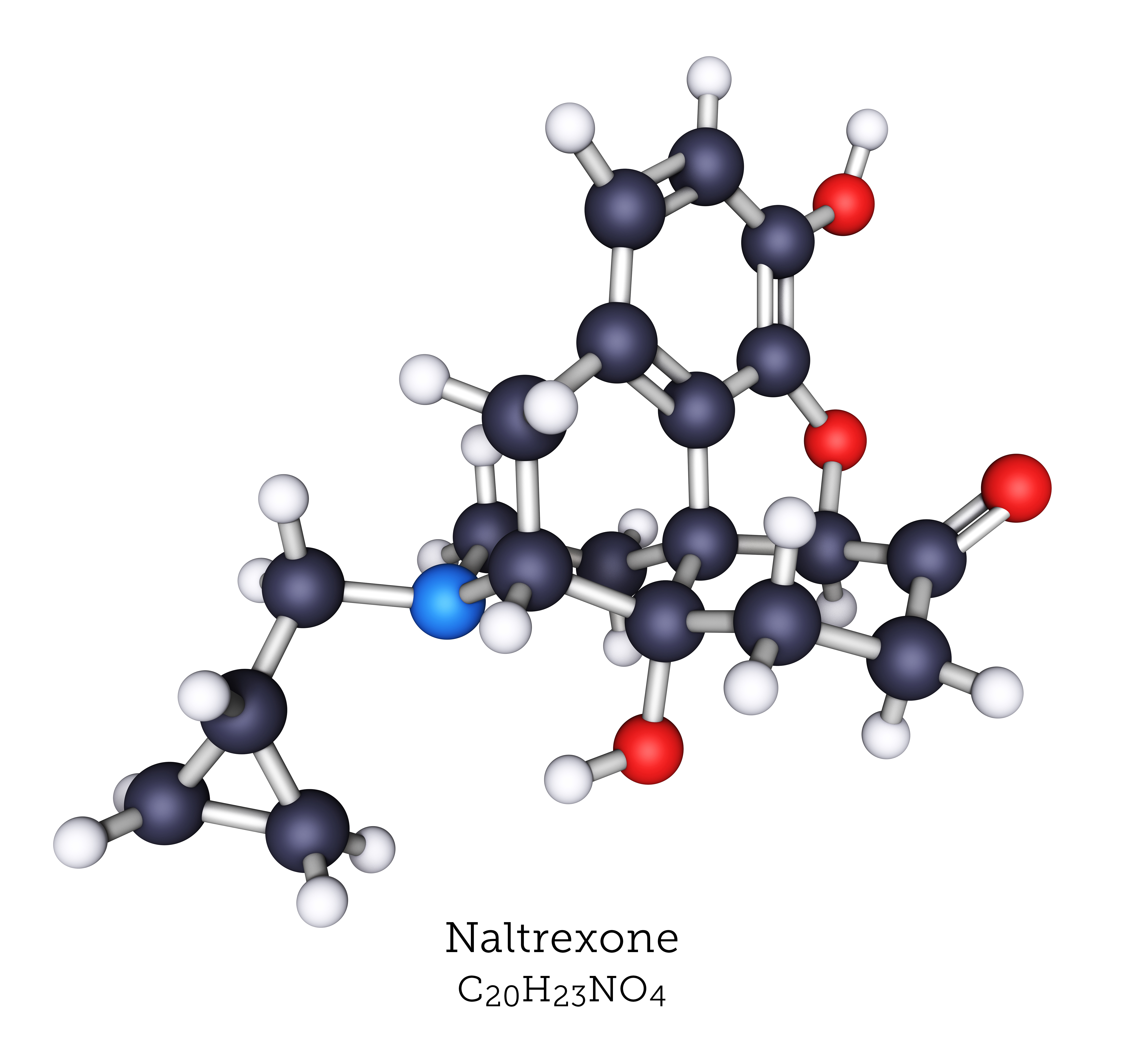
Naltrexone
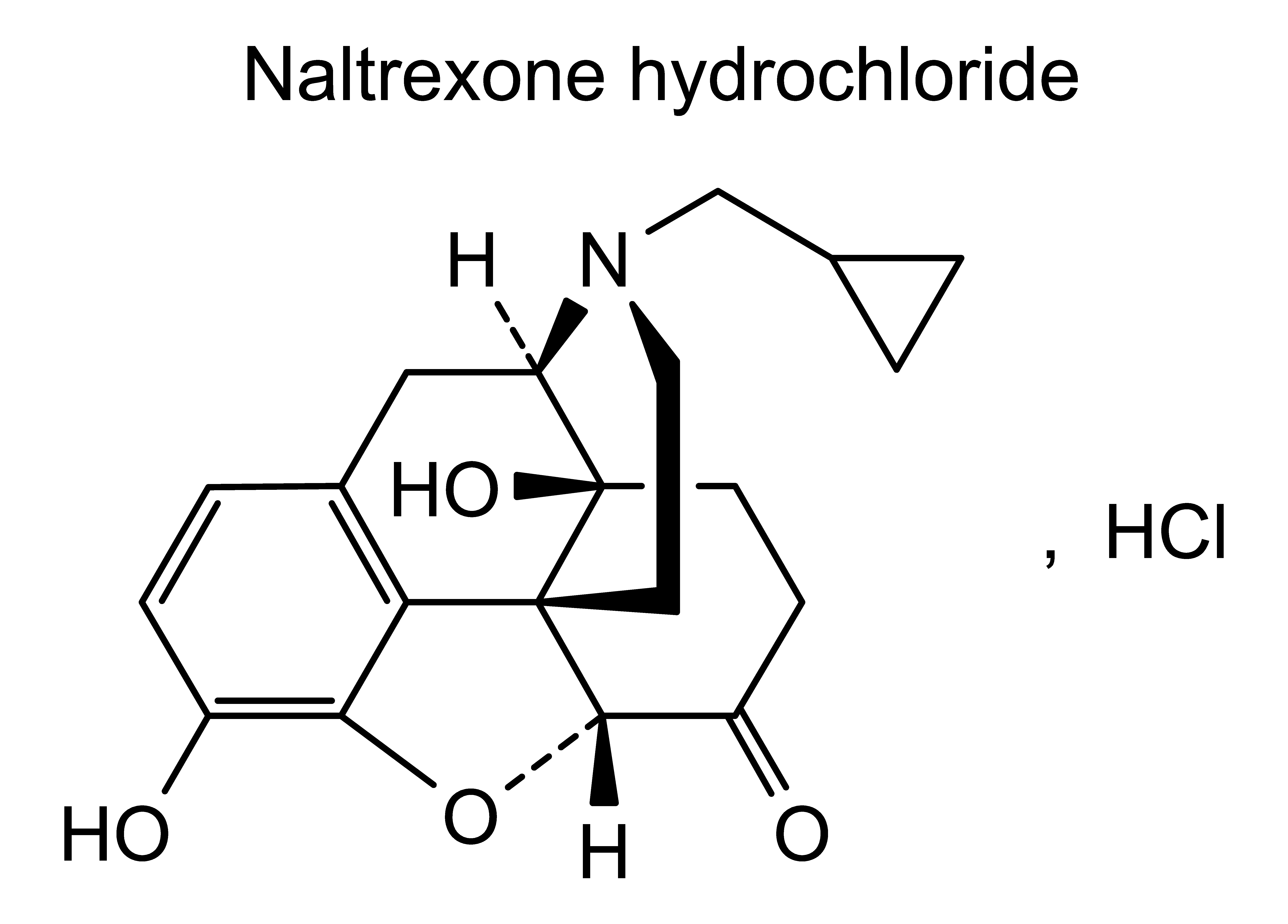
Naltrexone is one of the medications people often turn to when they’re ready to quiet cravings in a steady, reliable way. Because it blocks the rewarding effects of alcohol and opioids, those urges gradually lose their strength, making it easier to stay grounded and focused in recovery.
If you want to learn more about naltrexone, its effects, and how it can help you stay grounded in recovery, check out some of our resources below.
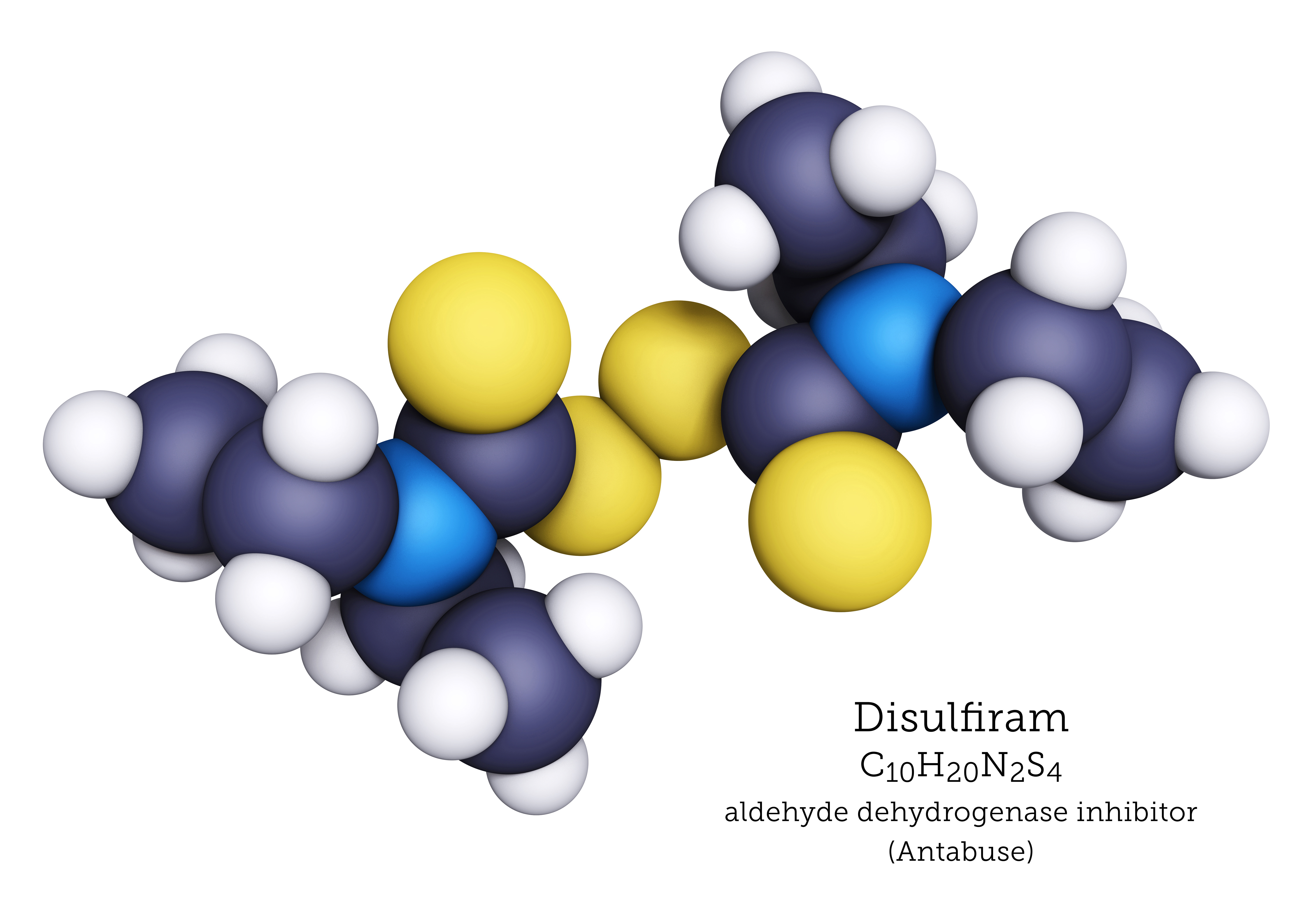
Disulfiram is often chosen by people who want clear boundaries around their drinking. It creates a strong physical deterrent to alcohol, which helps break automatic patterns and gives you space to rebuild a healthier routine. For many, it serves as an extra layer of accountability while they work through the emotional side of recovery.
If you’re curious how disulfiram works, who it’s best suited for, and what to expect day to day, you can explore our in-depth resources below.
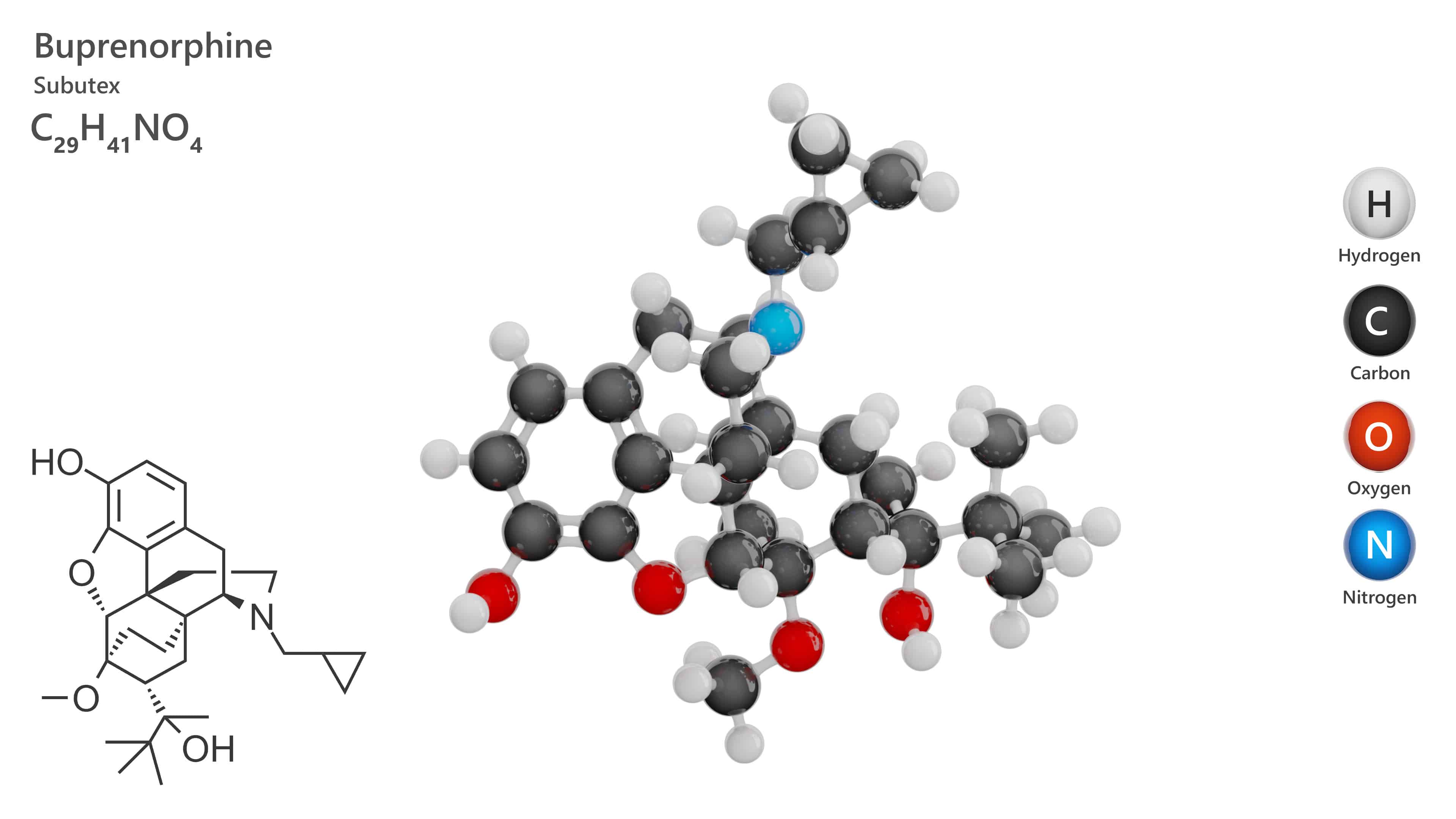
Buprenorphine helps people find stability when withdrawal symptoms and cravings feel overwhelming. By partially activating opioid receptors in a controlled way, it eases discomfort without creating a high, helping your body settle into a calmer, more manageable rhythm.
If you want to understand how buprenorphine works, how it feels, and why it’s used so widely in opioid treatment, take a look at the resources below.
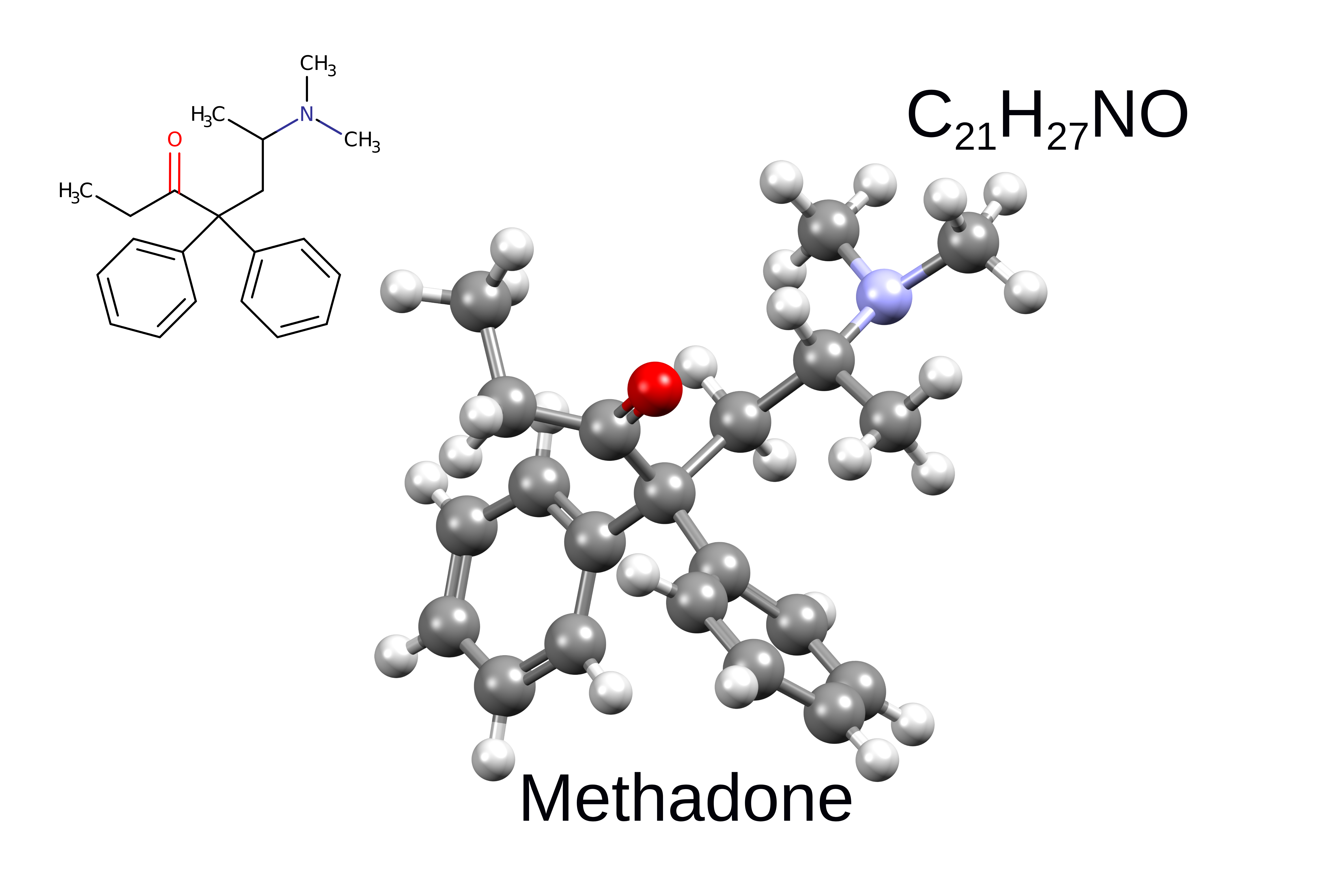
Methadone has been used for decades to help people move through opioid recovery with more steadiness and less chaos. Its long-lasting effects keep withdrawal symptoms and cravings in check, making it easier to stay present for therapy and rebuild your daily life at a pace that feels safe.
If you’d like to learn more about methadone, dosing, safety, and how it supports long-term recovery, explore our detailed guides below.
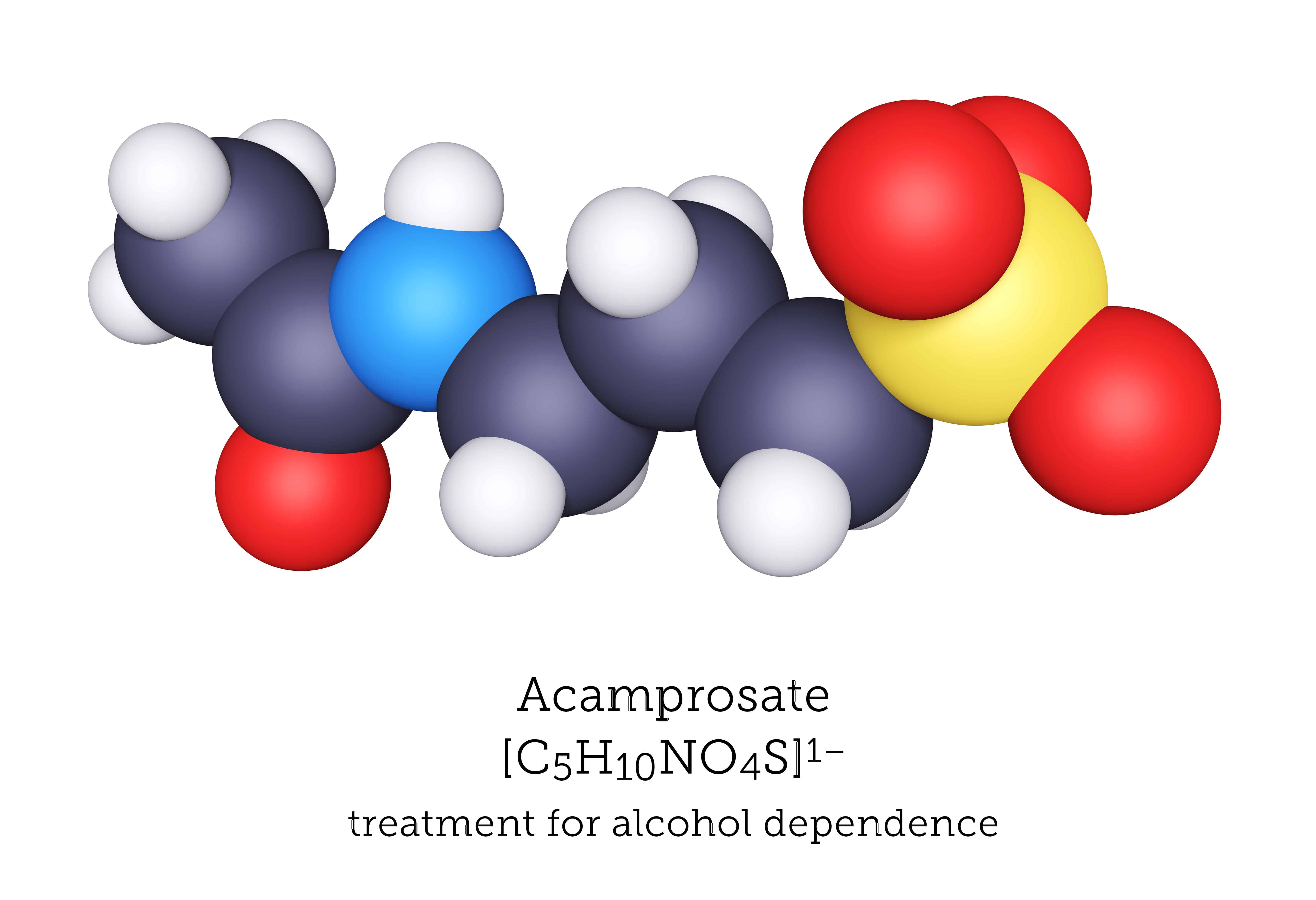
Acamprosate is often used in alcohol recovery to help the brain rebalance after long-term drinking. It supports emotional stability, reduces post-acute withdrawal symptoms, and helps people feel more settled as they rebuild healthy routines.
If you want to understand how acamprosate affects the brain and how it supports long-term sobriety, you’ll find helpful resources below.
Suboxone combines buprenorphine and naloxone to help reduce cravings, lower withdrawal discomfort, and add an extra layer of safety against misuse. Many people find it offers a stable, predictable foundation that makes recovery feel more manageable.
If you want to explore how Suboxone works, what it feels like, and whether it might be a fit for your recovery, check out the resources below.
We have written dozens of in-depth resources that help you understand how these medications work, how long they last, and what they feel like in real life.
Here are several articles answering people’s most frequently asked questions:
If you’re looking for answers we haven’t listed here or want to explore more topics around addiction, recovery, and support, you can browse our full blog for deeper guidance.
Medication Alone Is Not Enough
Medication can steady your system, but recovery also depends on support, structure, and learning new ways to navigate stress. If cravings, anxiety, or instability continue even with medication, a more structured treatment setting can make your progress stronger and safer.
If you’re overwhelmed, unsure where to begin, or trying to figure out which medication fits your life, you don’t have to sort through this alone. We help you understand your options and build a recovery plan that feels realistic and supportive.
Contact us today to take the first step toward healing from addiction.
Contact Us
Discover a transformative recovery experience, blending holistic and traditional modalities with a beautiful natural environment, and setting a foundation for lifelong healing.
"*" indicates required fields
Note: This page is informational only. Medication decisions must be guided by a medical provider who understands your full health history.
FAQs About Medication for Alcohol Addiction & Drug Addiction
Not always. Some people benefit from medication, while others do well with therapy and support alone. The right choice depends on your history, cravings, withdrawal patterns, and overall emotional stability.
Yes, it’s common to try another option if the first choice doesn’t feel supportive enough. A provider can guide a safe transition without interrupting your progress.
No, medication helps stabilize your brain and body so you can get more out of therapy, but it doesn’t replace the emotional and behavioral work that supports long-term healing.
The medications used in recovery do not create a high. Some may cause physical dependence, which is different from addiction. They are designed to support stability, not replace one dependence with another.
There’s no one timeline. Some people use medication for several months; others benefit from longer support. The decision is based on cravings, mental health, stability, and personal goals.